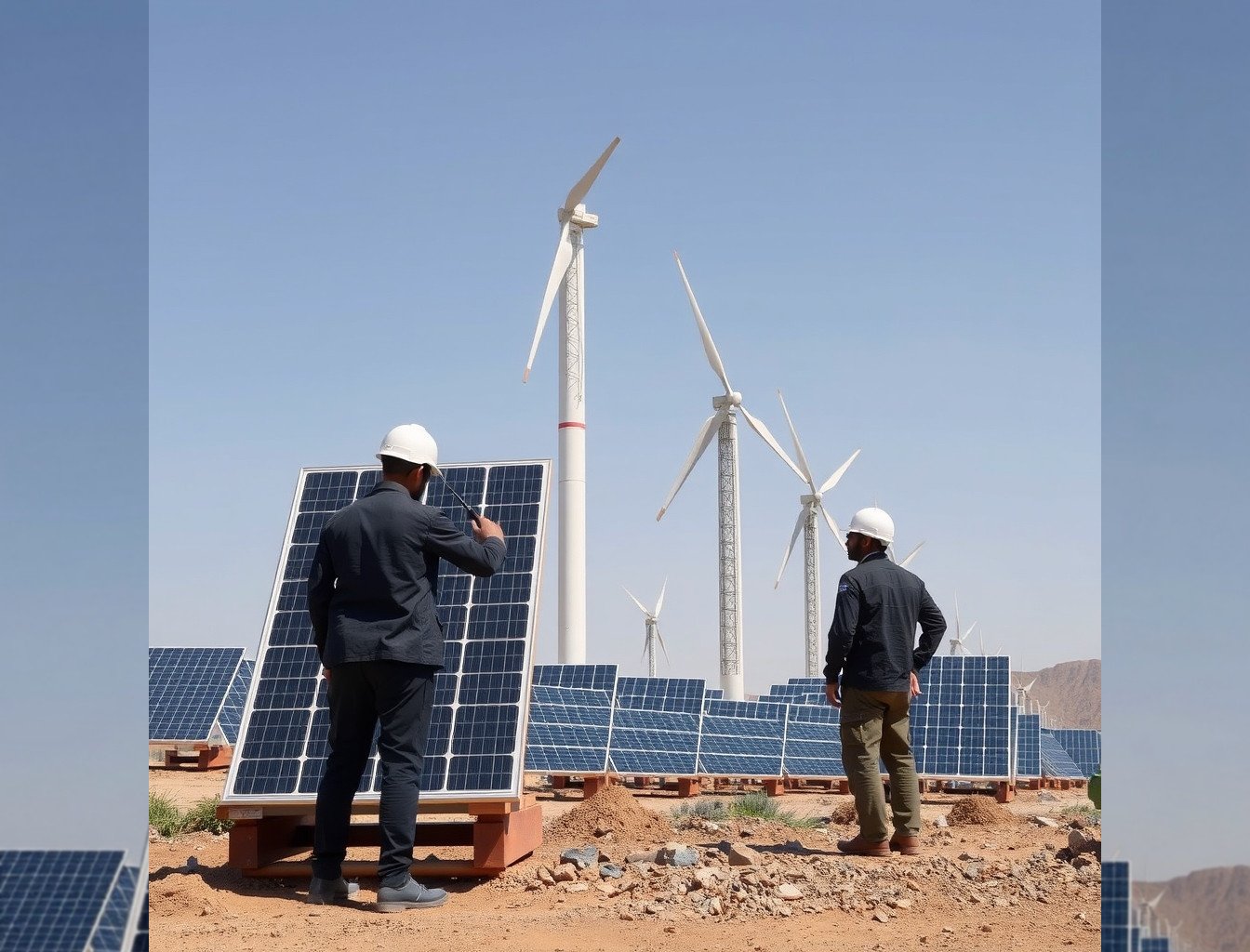
Hydrogen as Algeria’s New Export Weapon
Key figures:
– €300 million already allocated to pilot plants in Béchar and Tamanrasset.
– 50% of costs covered by German state-backed loans (KfW, DEG).
– First commercial shipments expected by 2027, per Sonatrach’s roadmap.
For entrepreneurs:
– Local content rules require 40% Algerian labor in hydrogen projects. Foreign firms must partner with Sonatrach or Sonelgaz subsidiaries.
– Tax breaks apply to hydrogen-related R&D, but customs duties on imported tech remain at 7%–15%.
– Diaspora investors face no restrictions, but repatriation of profits is capped at $100,000/year without prior approval.
France Tightens Screws on Algerian Diaspora
Impact on remittances:
– Algerian diaspora sent $3.1 billion in 2023 (World Bank). 30% of transfers come from France.
– New rules could reduce flows by 5–10%, per Algerian Central Bank estimates.
For Algerian entrepreneurs:
– French business visas now require proof of €15,000/year income (up from €12,000).
– Digital nomad visas (for remote workers) will exclude Algerians under the draft law.
– Diaspora startups face higher compliance costs if hiring French-Algerian talent.
Business Registry: Fraud Crackdown Meets New Opportunities
Key shifts in bureaucracy:
– New “Algeria Award for the Prophet’s Seerah” (decree published May 15) does not affect business registrations, but religious associations must now declare foreign funding.
– Foreign investment approvals now take 45 days (down from 90) under the 2023 FDI law, but sectoral quotas remain (e.g., pharma: 49% local ownership).
For founders:
– Document fraud risks rose 30% in 2023 (National Gendarmerie data). Notarized apostilles now required for all foreign partnerships.
– Kinshasa deal signals Algeria’s push into African infrastructure. INATEL’s DR Congo venture could open regional telecom tenders for Algerian firms.
FDI Playbook: Who Gets In, Who Gets Blocked
Top approved sectors (2024):
1. Renewables (42% of approvals).
2. Pharmaceuticals (28%).
3. Agribusiness (18%).
For investors:
– Pharma firms must now join WHO’s prequalification program to access EU tenders (Kouidri’s directive).
– Energy projects get 10-year tax holidays, but land leases require government guarantees.
– African ventures (like INATEL’s DR Congo deal) bypass some local ownership rules.
Pharma Race: WHO Accreditation as a Gatekeeper
Key players:
– Saidal (state-owned) holds 58% of domestic market share.
– Private labs (e.g., Pharma5, Sofiphar) account for 22% but lack WHO approval.
For entrepreneurs:
– Exporting to EU requires WHO prequalification. Algerian firms spend $20,000–$50,000 per application.
– Government loans (up to $1 million) cover 50% of certification costs.
– Diaspora chemists face no restrictions, but patent filings must be done via Algerian IP office.
Sahel Rivalry: Algeria vs. Morocco in a Proxy War
Economic stakes:
– Algeria’s gas exports to Europe could divert to Sahel if Morocco blocks Western Sahara deals.
– Moroccan firms (e.g., OCP, Attijariwafa Bank) hold 15% of Mali’s mining permits.
For business:
– Sahel infrastructure contracts (roads, ports) will favor Algerian firms due to currency swap agreements (dinars for CFA francs).
– Morocco’s push into Burkina Faso could disrupt Algerian trade routes via Tamanrasset–N’Djamena corridor.
Football Diplomacy: Hemdani’s AFCON Gamble
Economic impact:
– Algerian football generates $80 million/year (FIFPro).
– Diaspora fans spend $50 million/year on tickets, merch, and bets.
For entrepreneurs:
– Sports tech startups (e.g., fantasy leagues, betting platforms) face 50% tax on profits.
– Merchandise imports are banned—local firms must partner with FAF (Algerian Football Federation).
Security Tech: IT Firms in the Crosshairs
Key players:
– Algercom (state-owned) holds 60% of market share.
– Private firms (e.g., Axiom, Systel) target Sahel clients.
For entrepreneurs:
– Cloud services from AWS/Azure are blocked unless hosted in Algeria.
– Cybersecurity startups get tax exemptions for 5 years.
Military Spending vs. Wildfire Neglect
Business opportunities:
– Firefighting tech firms (e.g., drones, satellite monitoring) see demand surge.
– Insurance companies now exclude wildfire damage for rural properties.
For entrepreneurs:
– Government tenders for disaster tech require 51% Algerian ownership.
– Foreign investors must partner with military-linked firms (e.g., DGR, CEMAT).
Week in Review: What Moves the Needle
Key takeaway for entrepreneurs:
Algeria’s energy and Sahel ambitions create high-risk, high-reward opportunities, but bureaucracy and diaspora policies add friction. Pharma and IT sectors offer the clearest pathways for foreign investors, provided they adapt to local ownership rules. African ventures (like INATEL’s) bypass some restrictions, but currency and political risks remain. Document fraud is rising—entrepreneurs must prioritize notarized partnerships to avoid delays.
💡 Starting a business in Algeria? GlobalStart guides you step by step: procedures, real costs, company forms (SARL, EURL, SPA) and CNRC registration.