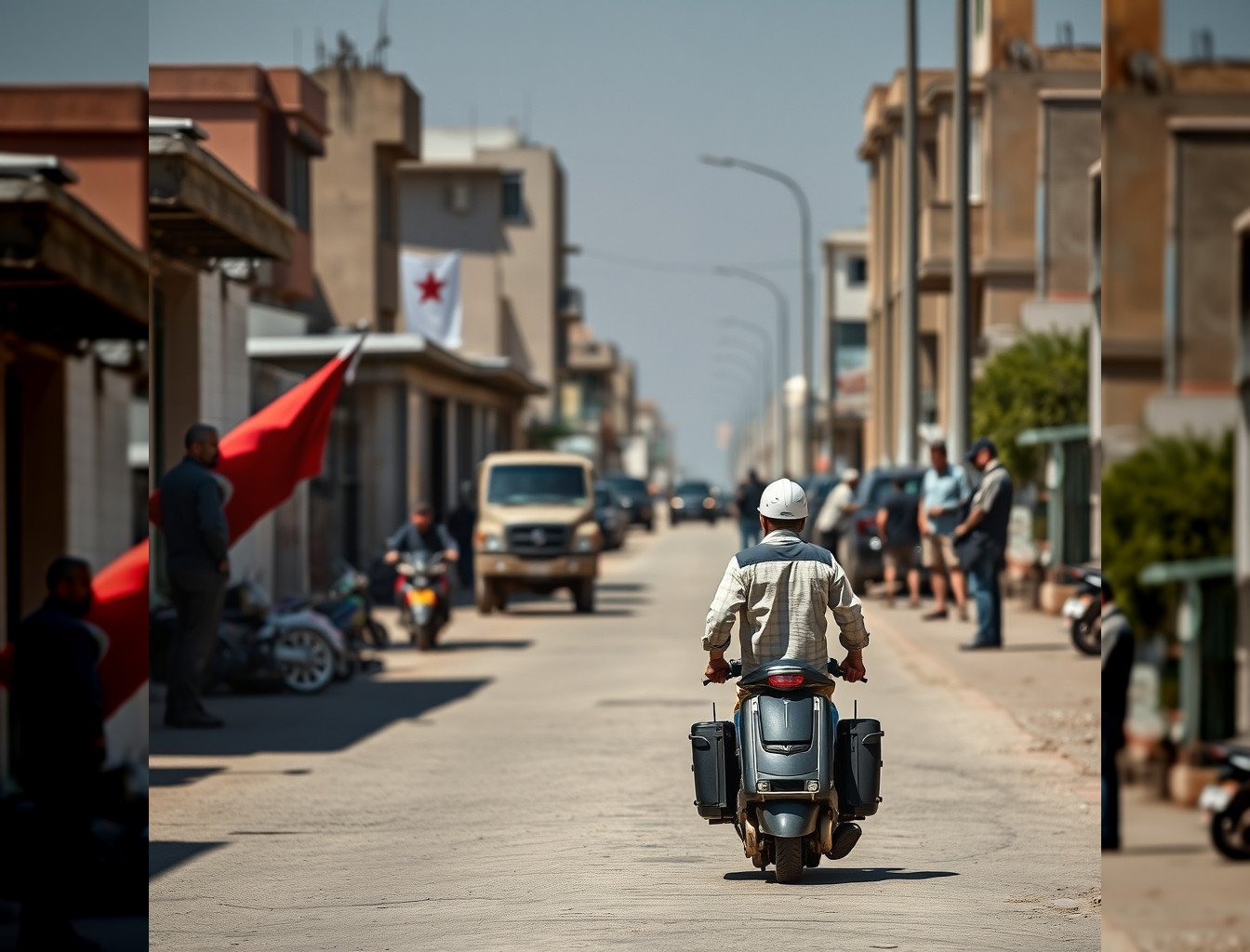
Algeria’s economic and geopolitical positioning dominated the week. Intra-African trade initiatives advanced in Algiers as Eni and Sonatrach expanded cooperation on emissions reduction. The government secured €747m for rail infrastructure while pushing Berber heritage recognition. Security incidents near the Libyan and Moroccan borders and rising diplomatic friction with Tunisia and Morocco framed the context for business.
Trade and Diplomacy: Trade tensions and African integration
The IATF 2025 in Algiers opened with calls to accelerate intra-African trade, following a pledge from Algerian authorities to host the event. Discussions included the African Export-Import Bank estimating African intra-trade at 15% of total trade versus 59% in Europe and 69% in Asia. The event highlighted Algeria’s push for continental market access amid ongoing trade tensions with the EU, where discussions in Brussels stalled over unresolved tariff and agricultural disputes.
Algeria’s Trans-Saharan Gas Pipeline proposal gained attention after a 4,128 km route was proposed to connect Nigeria’s gas fields via Niger and Algeria to Europe. The project is estimated at $13bn, with feasibility studies underway by Sonatrach and the Nigerian National Petroleum Corporation. Meanwhile, Algeria faces an LNG energy credibility test as European buyers demand supply guarantees following delays in new liquefaction capacity.
Energy and Environment: Carbon reduction partnerships
Eni and Sonatrach signed a cooperation agreement to reduce Scope 1 and 2 emissions from oil and gas operations in Algeria. The deal includes plans for carbon capture and storage (CCS) projects and a $500m investment over five years. Sonatrach reported 2025 emissions of 130m tonnes CO₂e, with a target to cut 10% by 2030.
The “Chokepoint Windfall” analysis suggested Algeria could benefit from rerouted global LNG flows due to disruptions in the Red Sea and Suez Canal, but required infrastructure upgrades. Sonatrach’s 2024 production stood at 85 billion cubic meters of gas, with LNG exports of 18.7 million tonnes.
Human Rights and Governance: Institutional roles and pardons
Algeria was elected President of the UN Human Rights Council’s Advisory Committee for 2025–2027. The committee oversees human rights procedures but does not set binding resolutions. Separately, French-Algerian writer Boualem Sansal was pardoned and released after serving part of a prison sentence for violating national security laws.
Pope Leo’s visit to Algeria included discussions on interfaith coexistence, while Algerian authorities emphasized cultural and religious heritage as part of national identity.
Culture and Heritage: Berber identity gains momentum
Algeria submitted three Berber mausoleums from antiquity for consideration as UNESCO World Heritage sites, including the Medracen and Imedghassen monuments. The move aligns with the government’s push to recognize Amazigh (Berber) culture as part of national heritage, following the 2002 constitutional recognition of Tamazight as an official language.
The Arab Maghreb Union (AMU) and Union of Tamazgha held discussions on North African integration, with Rachid Raha, president of the World Amazigh Congress, advocating for Amazigh identity in regional frameworks. Meanwhile, tensions persisted between Arab and Berber communities in some regions, with local media reporting occasional disputes over land and language rights.
Diaspora and Identity: North African integration debates
Algerian diaspora groups in Europe and North America engaged in debates over identity and integration, with some advocating for a Union of Tamazgha as an alternative to the AMU. The discussions reflected growing calls among diaspora activists for greater recognition of Amazigh heritage in national and regional policies.
Infrastructure and Transport: Rail and metro expansions
Algeria inaugurated the Western Mining Railway, a heavy haul line designed for mineral transport, linking Tindouf to the port of Djen Djen. The railway, funded by $US 1.2bn from the Maghreb Development Fund (MCDF), includes a 900 km spur for iron ore and phosphate exports.
The €747m grant from the EU for the first phase of the 495 km rail line between Algiers and Oran was approved, covering 60% of costs. The project, expected to reduce travel time between the two cities from 5 to 2.5 hours, aims to enhance passenger and freight connectivity. Sonatrach also secured $200m in financing for rail links to LNG export terminals.
Historical and Geographical Context: Sahara’s past and future
New research confirmed the Sahara was a green savanna with rivers, hippos, and giraffes until 6,000 years ago, before transitioning to arid desert within a century. Archaeological discoveries in the Tassili n’Ajjer region highlighted 10,000-year-old cave paintings depicting the region’s past biodiversity, supporting UNESCO’s push for Saharan heritage preservation.
South-South Cooperation: Sahel and Sahara strategies
Algeria intensified engagement in the Sahel, positioning itself as a security and economic partner to the Alliance of Sahel States (AES). Analysts noted Algeria’s return as a key actor in a region where Niger, Mali, and Burkina Faso have sought alternatives to Western partnerships. Diplomatic sources cited $500m in development aid pledged by Algeria to Sahelian states in 2024.
Relations with Morocco further deteriorated as Algeria accused Rabat of military escalation near the border. Algerian Chief of Staff Saïd Chengriha supervised a military exercise near Tlemcen, described by state media as a “counter-infiltration drill”. Separately, an Al-Qaeda-linked ambush in Niger killed 11 soldiers near the Algerian border, prompting joint counterterrorism coordination between Algerian and Nigerien forces.
Economic Implications for Entrepreneurs
– Energy sector: Sonatrach’s $500m emissions reduction investment creates opportunities for engineering and environmental firms specializing in CCS and renewable energy integration.
– Rail infrastructure: The €747m EU grant for the Algiers-Oran line opens procurement tenders for construction and rolling stock suppliers.
– Heritage tourism: UNESCO applications for Berber mausoleums could attract cultural tourism investment, including restoration and hospitality projects near Medracen and Imedghassen.
– Sahel markets: Algeria’s $500m aid to AES states may include contracts for Algerian construction, logistics, and agribusiness firms in Niger, Mali, and Burkina Faso.
– LNG exports: European buyers seeking alternative gas sources may increase demand for Algerian LNG, with potential for new export contracts.
Key takeaway for entrepreneurs:
Sonatrach’s emissions investments and EU rail funding signal near-term contracts in energy transition and infrastructure. Heritage recognition projects present niche opportunities in cultural tourism. Rising North African tensions imply higher security costs for cross-border supply chains.
Sources
- Geographical
- Financial Times
- Africa Defense Forum
- Middle East Monitor
- The Arab Weekly
- The North Africa Journal
💡 Starting a business in Algeria? GlobalStart guides you step by step: procedures, real costs, company forms (SARL, EURL, SPA) and CNRC registration.