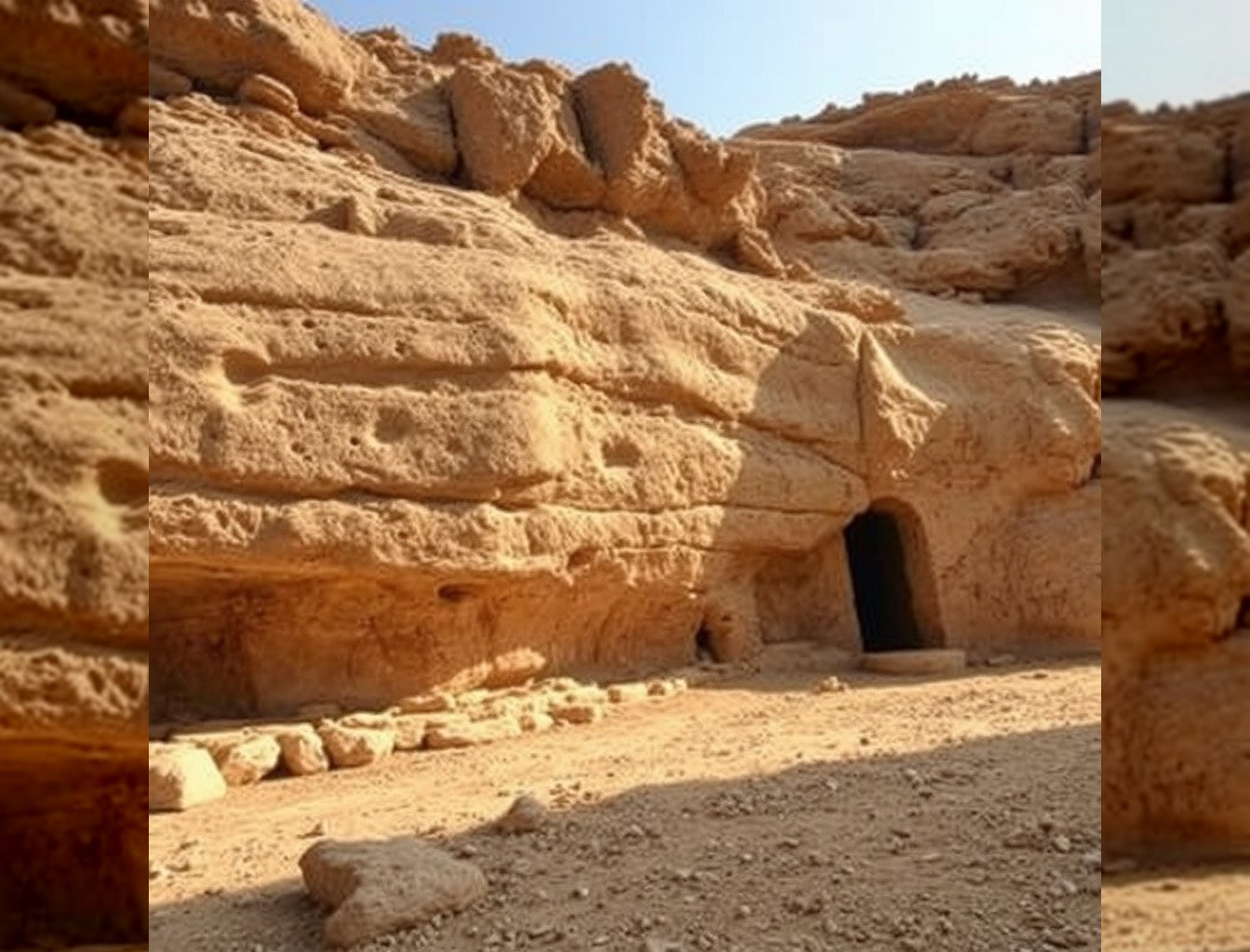
Archaeologists studying Algeria’s prehistoric rock art have uncovered fresh evidence that humans consumed psychedelic substances at least 9,000 years ago. The findings, drawn from detailed analysis of cave paintings at Tassili n’Ajjer, suggest ritualistic use of psilocybin mushrooms—potentially the earliest documented example of psychoactive experimentation in human history. According to Open Culture, researchers point to depictions of mushroom-like shapes and trance-induced figures that align with known entheogenic practices.
Tassili n’Ajjer, a UNESCO-listed plateau in southeastern Algeria, has long been celebrated for its vast collection of prehistoric art. The UNESCO World Heritage Site preserves over 15,000 drawings and engravings dating back to the Neolithic era, documenting early human life, wildlife, and cultural expressions. Among these are anthropomorphic figures in dynamic poses, some holding or surrounded by mushroom-like forms. Recent digital analysis and comparative studies by archaeologists such as Dr. Jean-Loïc Le Quellec have reinforced the interpretation that these images reflect altered states of consciousness.
The implications of this discovery stretch beyond anthropology. For Algerian entrepreneurs in cultural tourism, heritage preservation, and wellness industries, the findings present a unique branding and revenue opportunity. Tassili n’Ajjer already attracts thousands of visitors annually, with tourism contributing an estimated 4–5% to Algeria’s GDP. The new narrative around “psychedelic heritage” could position Algeria as a global destination not only for ancient history but for transpersonal exploration and eco-tourism. Local guides and tour operators could develop specialized “cave meditation” or “ancient ritual” experiences, leveraging UNESCO recognition to differentiate Algeria’s tourism product from more commercial destinations.
For the Algerian diaspora abroad, especially those in the wellness, tech, and creative sectors, this discovery offers a cultural asset to promote Algeria’s innovative past and potential future. Diaspora-led startups focused on psychedelic-informed coaching, nature retreats, or digital heritage storytelling could tap into global interest in indigenous wisdom and alternative health. For example, a diaspora entrepreneur in Canada or the United Arab Emirates could launch a platform connecting visitors with Algerian cultural guides offering interpretive tours of Tassili’s art, framed around the psychedelic hypothesis. This could serve as both a cultural bridge and a profitable niche market.
At the same time, the discovery underscores the need for stronger conservation efforts. Algeria’s Ministry of Culture has reported increasing erosion and vandalism at Tassili n’Ajjer in recent years. With rising global interest, the government may face pressure to scale up site protection and visitor management. Entrepreneurs in digital preservation—such as 3D documentation firms or AI-based rock art analysis tools—could partner with Algerian institutions to enhance conservation while creating new tech-driven business models.
From a branding perspective, Algeria could position itself as a leader in “ancient wellness tourism,” a growing segment that blends heritage with modern holistic services. This could attract foreign investment in eco-lodges, meditation centers, and cultural centers near Tassili n’Ajjer. Such ventures would require collaboration between local authorities, heritage experts, and private investors—an opportunity for public-private partnerships in Algeria’s emerging creative economy.
The Tassili discovery also invites reflection on Algeria’s role in global knowledge exchange. While psychedelic research is often associated with the Americas, this finding highlights Africa’s deep roots in spiritual and pharmacological innovation. For African startups and researchers, it validates the continent’s contributions to global wellness traditions and could spark new investment in botanical and ethnopharmacological studies.
In summary, the cave art findings offer more than a historical footnote—they signal a marketable, culturally rich narrative that Algerian entrepreneurs and the diaspora can harness. By integrating heritage, wellness, and technology, Algeria could transform Tassili n’Ajjer from a passive tourist site into an active center of experiential learning and economic growth.
Key takeaway for entrepreneurs:
The cave paintings at Tassili n’Ajjer present a new tourism narrative for Algeria, combining heritage with wellness and digital innovation. Diaspora founders can build ventures around guided psychedelic-informed tours or wellness retreats, while local tech firms can offer conservation solutions. This opportunity links Algeria’s ancient past to a growing global market in cultural tourism and holistic health.
Sources
- Open Culture
💡 Starting a business in Algeria? GlobalStart guides you step by step: procedures, real costs, company forms (SARL, EURL, SPA) and CNRC registration.