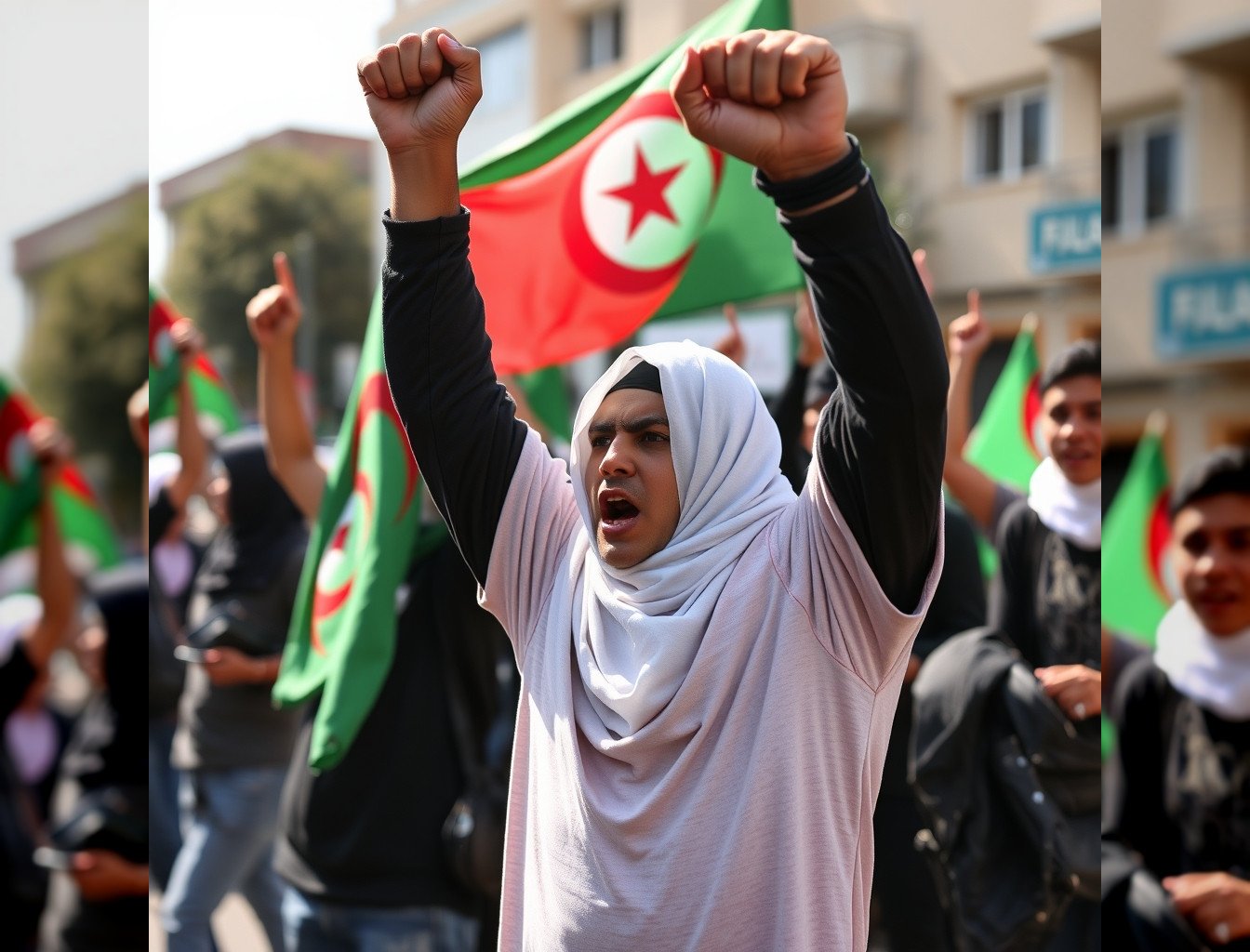
Southern Algeria’s recent protests highlight deepening frustration among youth over chronic unemployment and limited job prospects, according to The Washington Institute. The unrest, centered in key southern cities like Tamanrasset and Ouargla, reflects systemic economic challenges that directly impact local businesses and the broader Algerian economy.
The protests erupted amid rising youth unemployment, which remains stubbornly high in Algeria’s hydrocarbon-dependent south. Algeria’s southern regions, including Tamanrasset and Ouargla, rely heavily on public sector employment and state subsidies—a model increasingly unsustainable given fluctuating oil revenues. According to The Washington Institute, local authorities have struggled to create private-sector opportunities despite repeated government pledges to diversify the economy away from oil and gas.
Entrepreneurs and business founders in southern Algeria face a particularly difficult environment. The dominance of state-driven industries limits private sector growth, while bureaucratic hurdles and regulatory constraints discourage new ventures. Public sector jobs, traditionally a fallback for young graduates, are no longer expanding at the same pace as the labor force. This mismatch fuels social unrest, as youth demand economic opportunities that align with their skills and aspirations.
For the Algerian diaspora, the protests serve as a reminder of the urgent need to invest in homegrown solutions. Many diaspora entrepreneurs have long sought to bridge gaps in Algeria’s economy by launching startups or facilitating trade. However, their efforts are often hampered by infrastructure gaps, limited access to financing, and regulatory barriers. The recent unrest may prompt renewed calls for policy reforms that create a more enabling environment for private enterprise, particularly in regions like Tamanrasset and Ouargla.
The Washington Institute notes that the protests also underscore the failure of past economic strategies to address structural unemployment. Despite Algeria’s vast natural resources, including oil and gas reserves in the south, local communities see little benefit. This disconnect between resource wealth and local development deepens disillusionment among young Algerians, many of whom feel abandoned by central authorities.
Entrepreneurs eyeing opportunities in southern Algeria must navigate a landscape marked by both risk and potential. The region’s strategic location near sub-Saharan Africa offers trade advantages, but instability and bureaucratic inefficiencies pose significant obstacles. The protests signal that without meaningful economic reforms, the business climate will remain fragile, deterring both domestic and foreign investment.
For diaspora investors, the unrest highlights the need to advocate for reforms that support private sector growth. Initiatives that streamline business registration, improve access to credit, and reduce corruption could unlock the region’s potential. However, progress remains slow, and the recent protests suggest that patience is wearing thin among southern youth.
Key takeaway for entrepreneurs: Southern Algeria’s protests reveal persistent unemployment and regulatory barriers, making private sector growth difficult. Diaspora investors may find opportunities in trade and infrastructure but must push for policy changes to reduce bureaucratic hurdles and improve local economic conditions.
Sources
- The Washington Institute
💡 Starting a business in Algeria? GlobalStart guides you step by step: procedures, real costs, company forms (SARL, EURL, SPA) and CNRC registration.