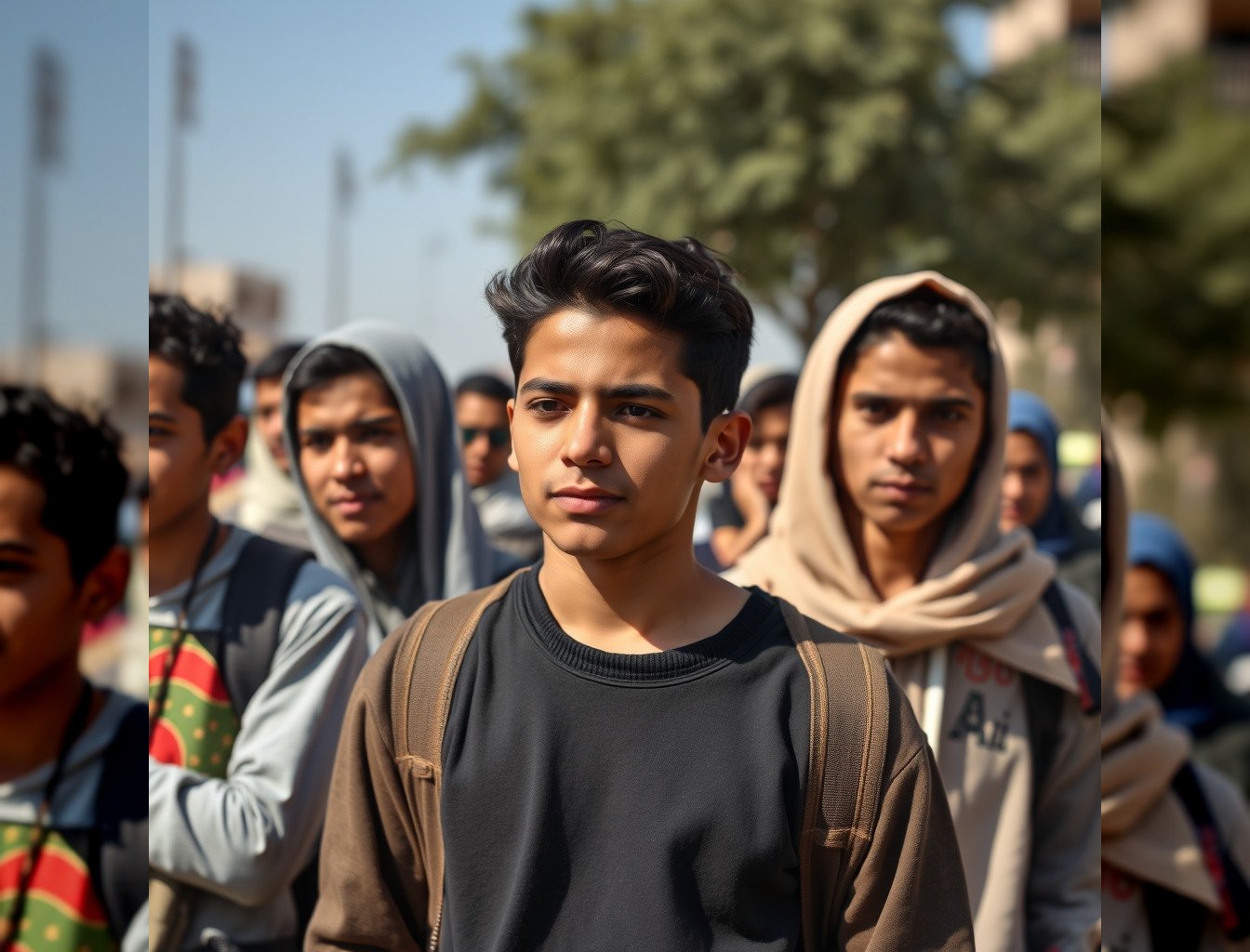
Algeria’s economic stability is under scrutiny as youth unemployment surges, threatening to destabilize a country heavily reliant on hydrocarbon revenues. According to Council on Foreign Relations, the North African nation faces intensifying pressures from its growing young population, with joblessness among 15-24-year-olds reaching alarming levels in recent years.
The unemployment crisis is particularly acute in urban centers like Algiers and Oran, where recent graduates struggle to secure positions in formal sectors. Algeria’s economy, long dependent on oil and gas exports, has failed to diversify sufficiently to absorb its youth labor force. Despite state-led initiatives, entrepreneurs and business founders warn that systemic barriers—such as bureaucratic hurdles and limited access to financing—hinder private sector growth.
Council on Foreign Relations highlights that Algeria’s jobless rate for young people exceeds 25%, a figure that has remained stubbornly high despite government pledges to create 300,000 jobs annually. Analysts attribute the gap to an education system that poorly aligns with market needs and a private sector constrained by state dominance. Meanwhile, the Algerian diaspora, particularly in France and Canada, has become a critical safety valve, with many young professionals seeking opportunities abroad.
For entrepreneurs, the crisis underscores the urgent need for structural reforms. The country’s informal economy, which employs an estimated 40% of workers, remains largely untapped for innovation and scaling. Recent government programs, such as the 2011 National Youth Employment Support Plan, have introduced microfinance schemes and business incubators, but critics argue these efforts lack coordination and long-term sustainability.
The hydrocarbon sector, which accounts for over 90% of export earnings, offers little respite. State-owned oil giant Sonatrach dominates the economy, stifling competition and discouraging private investment in energy-related ventures. Entrepreneurs in renewable energy and digital services see potential, but regulatory opacity and access to capital remain prohibitive.
The Algerian diaspora’s role is pivotal. Remittances from abroad, which reached $2.5 billion in 2012, provide crucial financial support to families but do little to spur local job creation. Some diaspora members have launched startups in Algeria, leveraging foreign expertise, yet bureaucratic delays and unclear property laws deter many from scaling operations.
Recent protests over housing shortages and rising costs have amplified concerns about social unrest. While Algeria’s foreign reserves remain substantial, the combination of demographic pressures and economic stagnation poses a growing risk to stability. Entrepreneurs warn that without urgent reforms, the country’s economic model—already reliant on volatile oil prices—could face severe strains.
Key takeaway for entrepreneurs
Algeria’s youth unemployment crisis demands urgent private sector solutions. Entrepreneurs must navigate bureaucratic hurdles and limited financing while exploring niches like renewable energy and digital services. The diaspora’s role in bridging skills gaps and capital could be decisive in shaping a more dynamic economy.
Sources
- Council on Foreign Relations
💡 Starting a business in Algeria? GlobalStart guides you step by step: procedures, real costs, company forms (SARL, EURL, SPA) and CNRC registration.