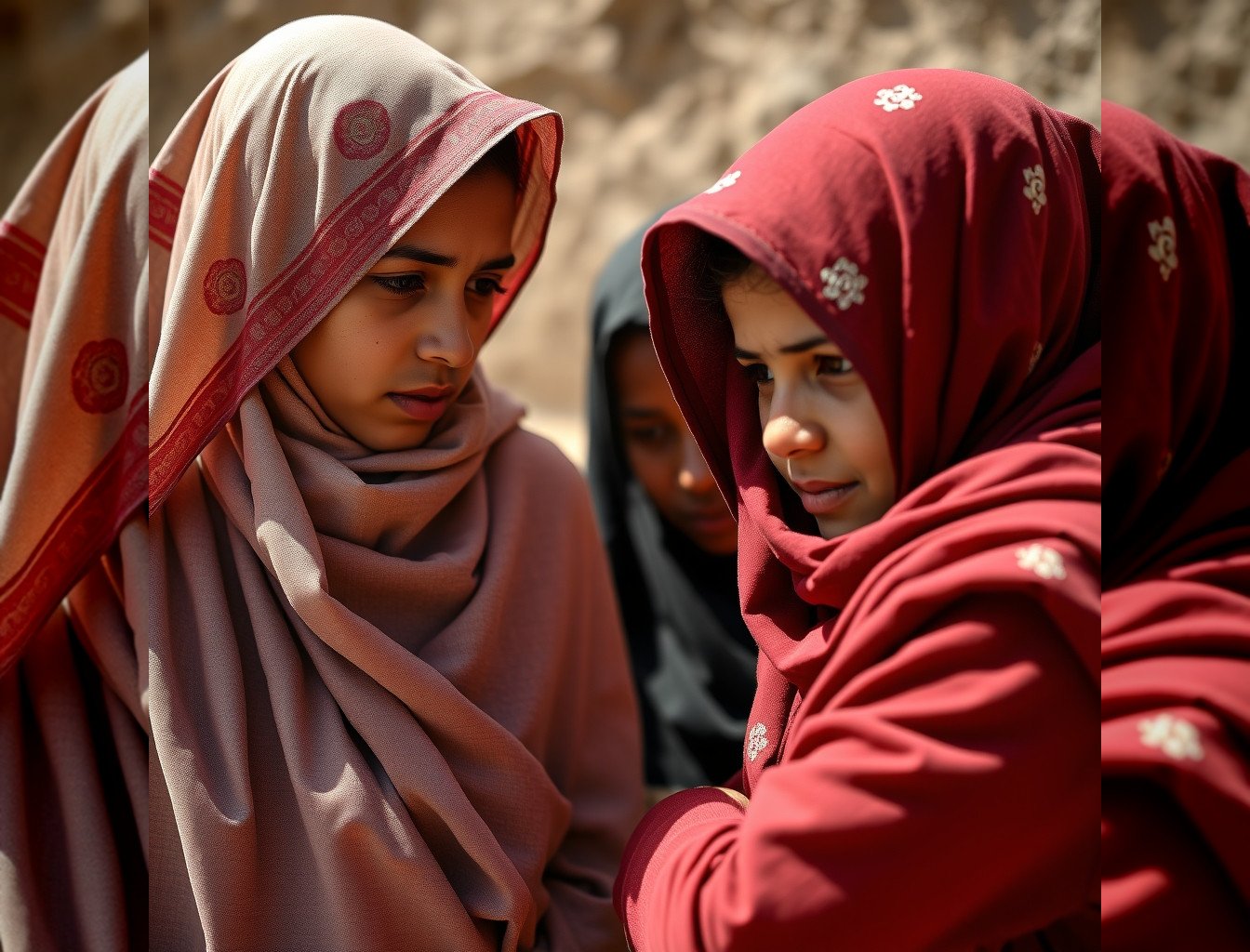
A 2016 U.S. Department of Labor report on child labor in Algeria remains a sharp reminder for business founders and investors of the risks embedded in the country’s labor market. The findings, which flagged persistent issues in hazardous sectors such as construction, agriculture, and domestic work, continue to shape perceptions among foreign entrepreneurs considering entry into Algeria’s economy. While the report is nearly a decade old, its core conclusions—linking child labor to weak enforcement of labor laws and limited social protections—still resonate in business circles today.
The report, published by the U.S. Department of Labor under the Bureau of International Labor Affairs (ILAB), identified Algeria as having made “minimal advancement” in efforts to eliminate child labor. It pointed to gaps in enforcement by the Ministry of Labor and Social Affairs, which oversees labor inspections, and highlighted the absence of a comprehensive national child labor policy. According to the document, children as young as 12 were found working in brick kilns in Relizane, farms in Tiaret, and as domestic helpers in Algiers. These sectors, though economically significant, operate with limited oversight and employ many informal workers—an environment that creates both risk and opportunity for entrepreneurs.
For small and medium-sized enterprises (SMEs), the report underscores a critical business risk: reputational damage. Companies sourcing from or operating in these sectors—especially in textiles, construction, and agriculture—face scrutiny from international buyers and investors who increasingly prioritize ethical supply chains. In 2023, the European Union introduced stricter due diligence laws requiring companies to identify and mitigate human rights violations in their operations. While Algeria is not a major EU trading partner compared to Morocco or Tunisia, any exposure to child labor risks could trigger penalties or lost contracts for foreign firms active in the Maghreb region.
Domestic entrepreneurs are not exempt from these concerns. Many Algerian founders in labor-intensive industries rely on subcontractors or family networks that may employ minors to cut costs. A 2022 study by the National Office of Statistics (ONS) estimated that over 140,000 children aged 10–17 were engaged in some form of economic activity, with 60% working more than 40 hours per week. These figures suggest that even well-intentioned Algerian businesses may unknowingly contribute to child labor if compliance systems are weak.
The government has taken steps to address the issue, but progress remains uneven. In 2021, Algeria ratified ILO Convention 182 on the elimination of child labor, a move welcomed by labor rights groups. However, implementation has lagged. The Ministry of Labor reported conducting 4,200 labor inspections in 2023, resulting in 180 violations related to child labor—but only 12 cases led to sanctions. Critics argue that penalties are too lenient and inspections too infrequent to deter violations. Entrepreneurs operating in high-risk sectors should therefore treat compliance not as a regulatory checkbox, but as a core operational priority.
For foreign investors, the child labor issue intersects with broader concerns about Algeria’s business climate. The country ranks 156th out of 190 economies in the World Bank’s 2024 Ease of Doing Business index, with labor market regulation scoring particularly low. The lack of transparency in supply chains and weak enforcement of labor laws make it difficult for companies to guarantee ethical practices. This creates a paradox: while Algeria offers opportunities in sectors like hydrocarbons, mining, and renewable energy, the labor market’s shortcomings can complicate foreign direct investment (FDI).
The Algerian diaspora, many of whom run businesses abroad with links to the homeland, can play a constructive role. Some diaspora entrepreneurs have started social enterprises in Algeria that provide vocational training to vulnerable youth, reducing reliance on child labor. Others have invested in technology-driven solutions—such as digital payroll systems and compliance platforms—to help local firms monitor labor practices. These initiatives not only improve social outcomes but also build trust with international partners.
For founders looking to invest in Algeria, the child labor issue demands a proactive approach. Conducting third-party audits of suppliers, investing in worker training programs, and partnering with local NGOs can mitigate risks. Businesses in agriculture, for example, might collaborate with cooperatives that adhere to ethical hiring standards. Similarly, tech startups could develop AI-powered tools to track labor compliance in real time—a sector where Algeria’s young talent could lead innovation.
The U.S. Department of Labor report, though dated, remains a cautionary reference. Its warnings about child labor are not just moral concerns but economic ones. Entrepreneurs who ignore these risks may face reputational harm, legal exposure, or lost market access. Those who address them proactively, however, can position themselves as responsible leaders in Algeria’s evolving economy.
Key takeaway for entrepreneurs
The 2016 U.S. Department of Labor report on child labor in Algeria highlights persistent enforcement gaps that pose risks for both domestic and foreign businesses. Entrepreneurs in labor-intensive sectors should prioritize compliance audits, ethical supply chain practices, and partnerships with local organizations to mitigate risks. Addressing child labor is not only a social responsibility but a strategic move to build trust with international partners and safeguard long-term investments in Algeria.
Sources
- U.S. Department of Labor (.gov)
💡 Starting a business in Algeria? GlobalStart guides you step by step: procedures, real costs, company forms (SARL, EURL, SPA) and CNRC registration.