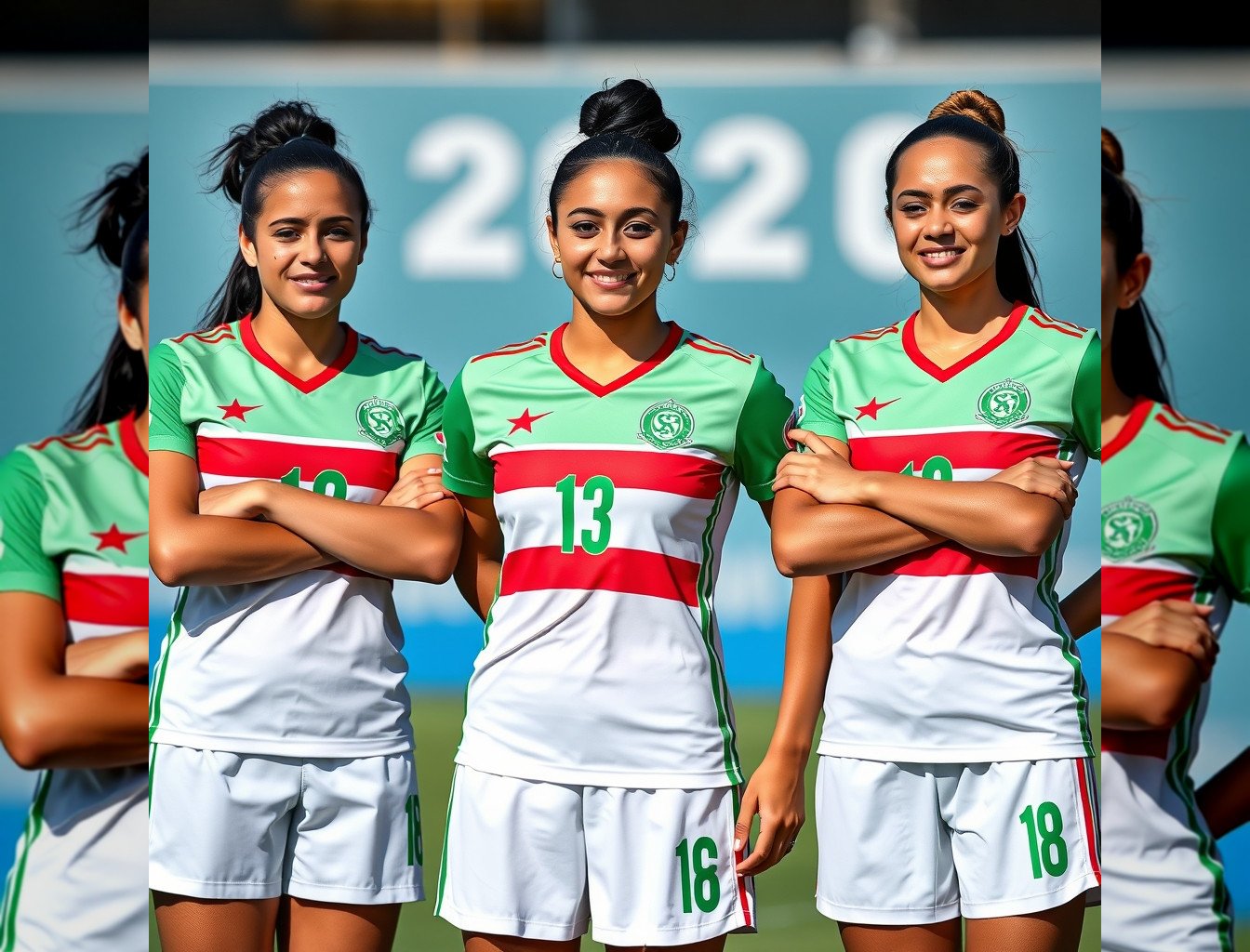
Algeria, Morocco, Cameroon and Malawi have secured their spots in the 2027 FIFA Women’s World Cup, according to The Voice of Africa. This marks Algeria’s first-ever qualification for the global tournament, joining three other African teams in the expanded 32-team competition.
The qualification reflects Algeria’s growing momentum in women’s football, a sector that has seen rising investment and policy support in recent years. The country’s national women’s team, often overshadowed by its male counterpart, has steadily improved its performance in regional tournaments. This breakthrough comes after decades of gradual development in female athletic programs and grassroots initiatives across the Maghreb.
For Algerian entrepreneurs and business founders, the qualification presents both symbolic and economic opportunities. Sports sponsorship, merchandise sales and media rights have become increasingly lucrative in African football. With Algeria’s first World Cup appearance, local brands may find new avenues for visibility and consumer engagement. Sports marketing agencies in Algiers and Oran could see increased demand for campaign strategies tied to women’s football, especially if national success continues.
Algerian investors in digital media may also benefit. Women’s football matches often draw strong viewership online, particularly among younger demographics. Streaming platforms and mobile telecom operators might expand coverage to capitalize on growing interest. Advertisers targeting millennials and Gen Z could leverage this moment to connect with audiences through creative partnerships with sports federations or clubs.
The qualification highlights the need for stronger commercial infrastructure around women’s sports. While Algeria has made progress in youth sports programs, the sector still lacks dedicated facilities and professional pathways for female athletes. Entrepreneurs in construction, sportswear manufacturing and event management could explore opportunities to fill these gaps. Partnerships between private investors and public bodies like the Ministry of Youth and Sports may accelerate the development of training centers and leagues.
The diaspora could play a key role in promoting Algerian women’s football abroad. Migrant communities in France, Canada and Belgium often maintain strong ties to Algerian culture and sports. Diaspora-led initiatives—such as fan clubs, fundraising campaigns or social media campaigns—can amplify the visibility of the national team. Entrepreneurs within these communities might launch content platforms or merchandise lines featuring Algerian players, tapping into transnational markets.
Morocco’s qualification alongside Algeria underscores a broader trend in North African football. Both countries have invested in women’s leagues and academies in the past five years. For Algerian businesses, this regional rivalry could spur innovation in sports technology, talent scouting and fan engagement strategies. Investments in data analytics for player development or fan experience could position Algerian startups as leaders in sports tech on the continent.
Cameroon and Malawi’s qualification also signals Africa’s rising competitiveness in women’s football. With more African teams qualifying for global tournaments, the commercial value of African football properties is likely to increase. This could attract international sponsors and broadcasters, creating opportunities for Algerian intermediaries and service providers to broker deals or manage rights.
Yet challenges remain. Women’s football still receives a fraction of the funding dedicated to men’s teams in Algeria. Sponsorship deals often come with short-term commitments, making long-term planning difficult for clubs and leagues. Entrepreneurs entering this space will need to navigate these constraints while building sustainable models.
For the Algerian diaspora, the qualification offers a chance to reconnect with national pride through business ventures. Diaspora investors could fund grassroots programs, sponsor players or launch media ventures focused on women’s football. Such initiatives not only support the sport but also strengthen cultural ties and market access between Algeria and host countries.
Key takeaway for entrepreneurs: Algeria’s first FIFA Women’s World Cup qualification opens new sponsorship, media and retail opportunities in women’s sports. Investors can explore sport-related ventures, while the diaspora can drive visibility and funding for the sector. Building sustainable commercial structures around women’s football will be essential to sustain this momentum.
Sources
- The Voice of Africa
💡 Starting a business in Algeria? GlobalStart guides you step by step: procedures, real costs, company forms (SARL, EURL, SPA) and CNRC registration.