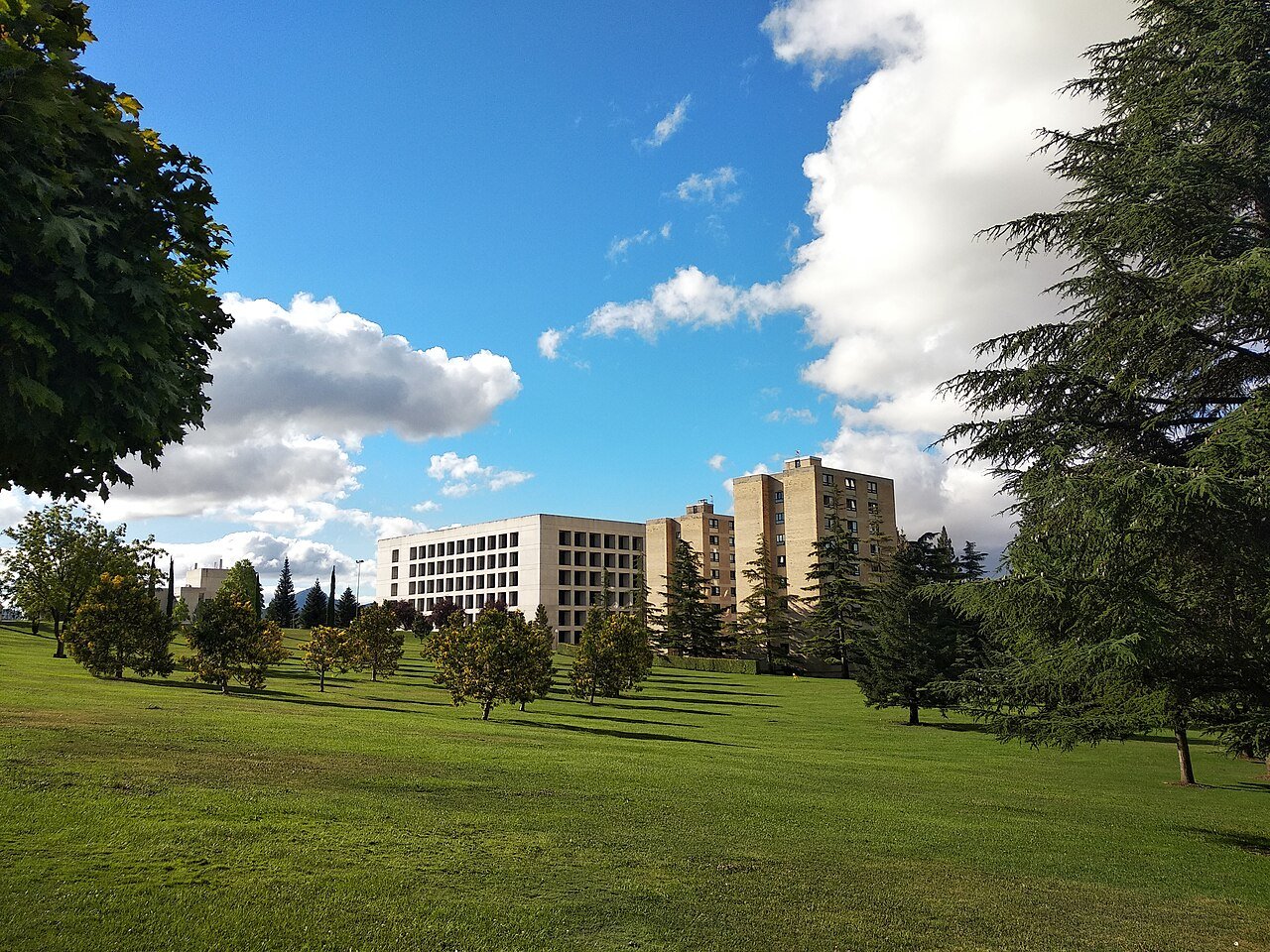
At Djilali Liabes University in Sidi Bel Abbes, two engineering students recently turned classroom theory into a business-ready product: an ozone gas generator designed to sterilize crops and industrial facilities. Their device, developed as part of a university-backed startup project, taps into Algeria’s growing demand for agri-tech and clean industrial solutions. According to APS, the project reflects a broader push by Algerian higher education to close the gap between academic research and economic needs.
The students’ innovation comes at a time when Algeria is actively promoting homegrown technology to reduce dependency on imports in critical sectors. While specific figures on the ozone device’s market potential are not yet public, Algeria’s agricultural sector consumes over $3 billion annually in imported pesticides and disinfectants, according to 2024 data from the Ministry of Agriculture. This gap presents an opportunity for local startups to enter a high-value niche with scalable solutions.
Meanwhile, students at Mohamed Seddik Ben Yahia University in Jijel have taken a different route—developing AI-driven digital platforms and 5G-based tools aimed at boosting business and government efficiency. Their projects, unveiled this week, include AI modules for inventory management and 5G-enabled cloud platforms for public institutions. According to APS, these solutions are being tested with local enterprises in Jijel and nearby regions.
The timing of these student-led initiatives coincides with major public sector efforts to digitize services. Earlier this month, the High Commission for Digitalization (HCN) integrated six new digital services for the energy sector into the national portal, in collaboration with the Ministry of Energy and Renewable Energy. These services include online permit applications and real-time energy consumption monitoring—features that small businesses and startups can leverage to streamline operations and access state support.
For entrepreneurs and diaspora investors eyeing Algeria’s tech ecosystem, these developments signal growing institutional support for innovation. Since 2022, Algeria has allocated over $500 million to digital transformation projects, including startup incubators and university-linked innovation hubs. Programs such as “Start-Up Algeria” and “Genie” offer grants of up to $100,000 for young founders, with additional mentorship through institutions like the Algerian Company for the Development of Technology (SAT).
However, challenges remain. Access to early-stage funding and navigating regulatory hurdles are still cited by founders as key barriers. The students in Sidi Bel Abbes and Jijel have benefited from university ecosystems that provide lab space and mentorship, but scaling their solutions requires external investment and clearer commercialization pathways.
The integration of digital services in the energy sector is particularly relevant. With SONATRACH’s digitalization drive gaining momentum, startups offering AI, IoT, or data analytics solutions now have a direct channel to sell into one of Algeria’s largest industries. The new online services for energy permits and monitoring reduce bureaucratic friction—a common complaint among private sector players.
For the Algerian diaspora, these university-led innovations offer a new angle for engagement. Instead of traditional remittances or investment in established firms, returning entrepreneurs or diaspora angels could focus on scouting early-stage projects in robotics, AI, or green tech developed in Algerian universities. Initiatives like the National Agency for the Valorization of University Research (ANVREDET) now facilitate partnerships between researchers and private investors, including those abroad.
The projects from Sidi Bel Abbes and Jijel are still in early stages, but they illustrate a shift: Algeria’s next wave of entrepreneurs may not come from outside the country’s universities—they may already be there, waiting for the right support to turn ideas into ventures.
Key takeaway for entrepreneurs:
Universities in Algeria are producing market-ready innovations in agri-tech, AI, and digital services, backed by startup grants and public sector digitization. Diaspora investors can engage by partnering with universities or targeting sectors where Algeria imports solutions, such as clean energy tech and industrial sterilization. Early-stage funding and clearer commercialization pathways remain key hurdles for scaling student-led startups.
Sources
💡 Starting a business in Algeria? GlobalStart guides you step by step: procedures, real costs, company forms (SARL, EURL, SPA) and CNRC registration.