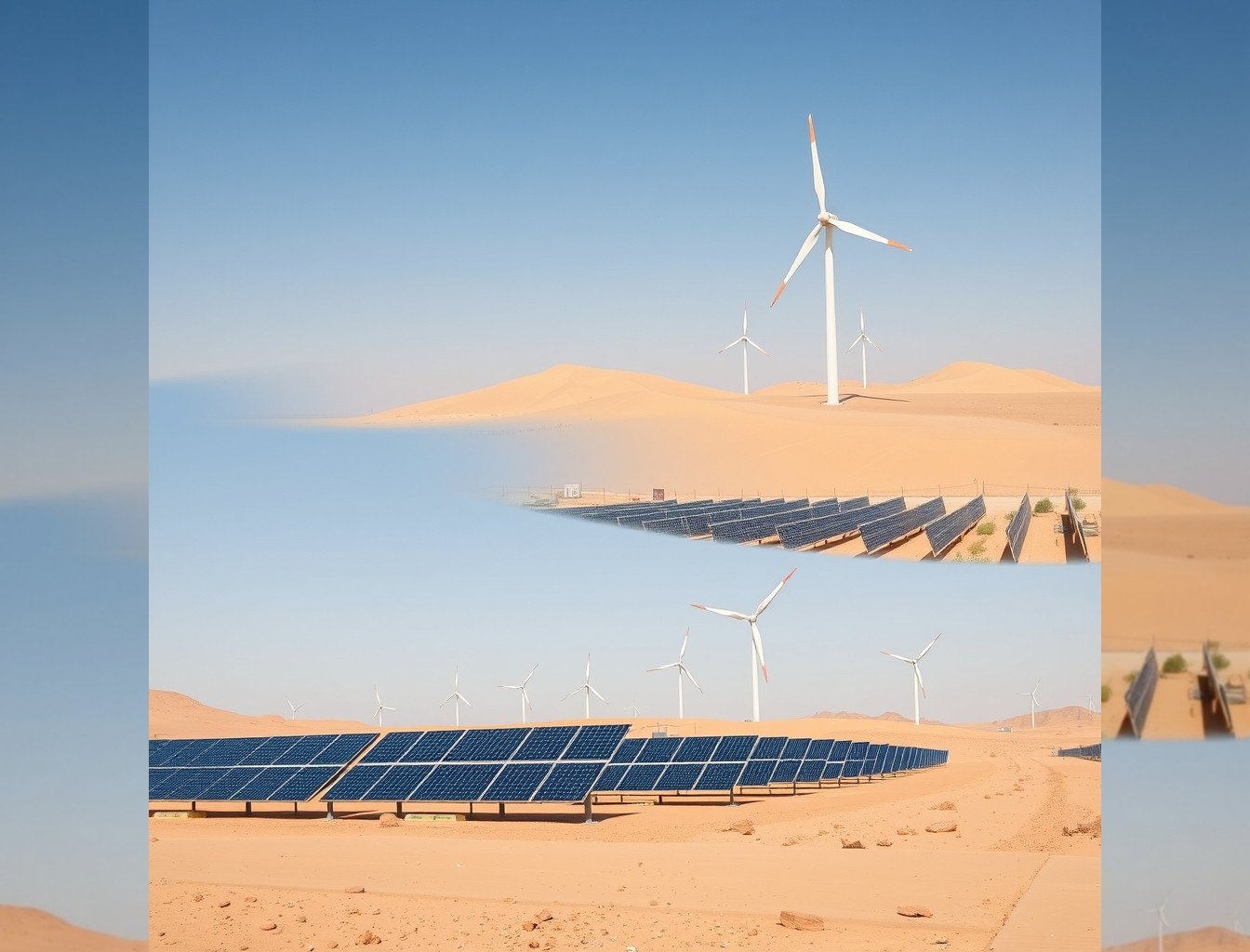
Fossil fuels face reckoning as AI and wars force price spikes
Algeria’s economy remains heavily tied to hydrocarbons, which account for nearly 90% of export revenues and 60% of government income. But the global shift toward renewables—now cheaper than fossil fuels in many markets—is accelerating. The U.S. absence from this year’s talks, following its recent energy shocks, adds pressure. With AI and industrial demand surging, the world is still burning both fossil fuels and renewables, worsening emissions. For Algerian entrepreneurs, this dual-energy reality means higher costs and unpredictable markets.
Russia’s war and Middle East conflicts trigger energy chaos
For Algerian businesses, the instability translates to higher input costs for manufacturing, logistics, and even agriculture. A 2023 study by the Algerian Ministry of Industry found that energy expenses now make up 30% of operational costs for SMEs. If COP 31 delivers binding fossil fuel phase-out timelines, Algeria’s energy exporters may face stranded infrastructure—while domestic industries could gain from cheaper, locally produced renewables.
Renewables offer Algeria a chance to diversify—and attract diaspora capital
The diaspora’s financial clout is undeniable. Algerian expats in France alone sent home $3.5 billion in remittances in 2025, per the World Bank. Redirecting even a fraction of that toward renewable startups could accelerate Algeria’s transition. For entrepreneurs, this means new funding opportunities—but also competition. Foreign firms, including Chinese and European players, are eyeing Algeria’s solar and wind potential, offering lower-cost solutions.
COP 31 could unlock—or lock out—Algerian green ambitions
Yet the diaspora’s involvement could turn the tide. Algerian tech hubs like Bab El Oued’s Startup Incubator are already nurturing clean-energy startups, but they need policy support. If COP 31 delivers clear signals, Algerian entrepreneurs could access EU green bonds, African Development Bank loans, and private equity—but only if they act now.
Algeria’s Energy Dilemma: Cost Pressures and Market Volatility
Global energy markets remain in flux, with AI-driven demand and geopolitical conflicts pushing prices higher.
For Algerian manufacturers, energy costs now consume 30% of SME budgets, according to the Ministry of Industry.
Logistics and agriculture face similar strains, as fuel and electricity expenses rise unpredictably.
Without stable pricing, businesses struggle to forecast investments or adapt production lines.
Renewables as a Double-Edged Opportunity
Foreign firms are already targeting Algeria’s solar and wind potential with competitive financing.
Local startups must compete for capital while navigating regulatory gaps in green energy incentives.
Diaspora remittances—$3.5 billion from France alone in 2025—could fund clean-tech ventures if redirected.
Yet unclear COP 31 outcomes may delay foreign green bond access or African Development Bank loans.
What’s Next for Algerian Entrepreneurs?
Watch for COP 31’s fossil fuel phase-out timelines, which could strand hydrocarbon infrastructure.
Domestic industries may benefit from cheaper renewables if local production scales up.
Tech hubs like Bab El Oued’s incubator are early movers, but policy clarity is critical.
Entrepreneurs should prepare for either a rapid transition or prolonged energy instability.
Sources
💡 Starting a business in Algeria? GlobalStart guides you step by step: procedures, real costs, company forms (SARL, EURL, SPA) and CNRC registration.