Gaza’s hospitals are on the brink of collapse as fuel shortages threaten to plunge critical care units into darkness. The Health Ministry’s warning reveals a stark reality: 2,500 liters of diesel per month keep life-saving generators running, and without urgent intervention, Al-Awda Hospital in Nuseirat refugee camp has already suspended services. The crisis exposes a fragile supply chain that entrepreneurs in Algeria—and the diaspora—should scrutinize closely.
A Human Cost with Economic Lessons
The immediate risk is medical. Hospitals in Gaza operate under “complex engineering conditions,” with generators pushing past their limits due to prolonged use and lack of maintenance. The Health Ministry’s statement leaves no room for ambiguity: power failures will disrupt surgeries, dialysis, and neonatal care. But beyond the humanitarian toll, the crisis highlights a hard truth for businesses dependent on fuel imports or backup systems.
Algeria’s own hospitals and industries face similar vulnerabilities. The country imports nearly 90% of its fuel, and disruptions in global supply chains—whether due to geopolitical tensions or logistical breakdowns—can cripple operations overnight. For entrepreneurs running clinics, data centers, or manufacturing plants, the Gaza example serves as a warning: diversifying energy sources is no longer optional.
Supply Chains Under Siege: A Warning for Algerian Importers
The Gaza fuel shortage stems from two interlocking failures: restricted deliveries and the inability to secure alternative supplies. Hospitals relied on emergency oil shipments, but these were insufficient to sustain generators running at full capacity. The ministry’s repeated pleas for intervention underscore a broader issue—reliance on single-source suppliers leaves businesses exposed.
Algeria’s private sector imports fuel for generators, diesel for agriculture, and even cooking gas for households. Recent blackouts in cities like Oran and Constantine have already tested resilience. Entrepreneurs who import fuel for their operations should ask: What happens if shipments stall? The Gaza case study suggests that stockpiling critical supplies—or investing in renewable backup systems—could mean the difference between continuity and catastrophe.
The diaspora, meanwhile, may face indirect ripple effects. Algerian expatriates running businesses in Europe or North Africa often source goods from suppliers with ties to Middle Eastern logistics. If fuel shortages disrupt shipping routes (as they have in Gaza), delays in deliveries could strain supply chains for everything from electronics to pharmaceuticals.
Renewable Energy as a Business Imperative
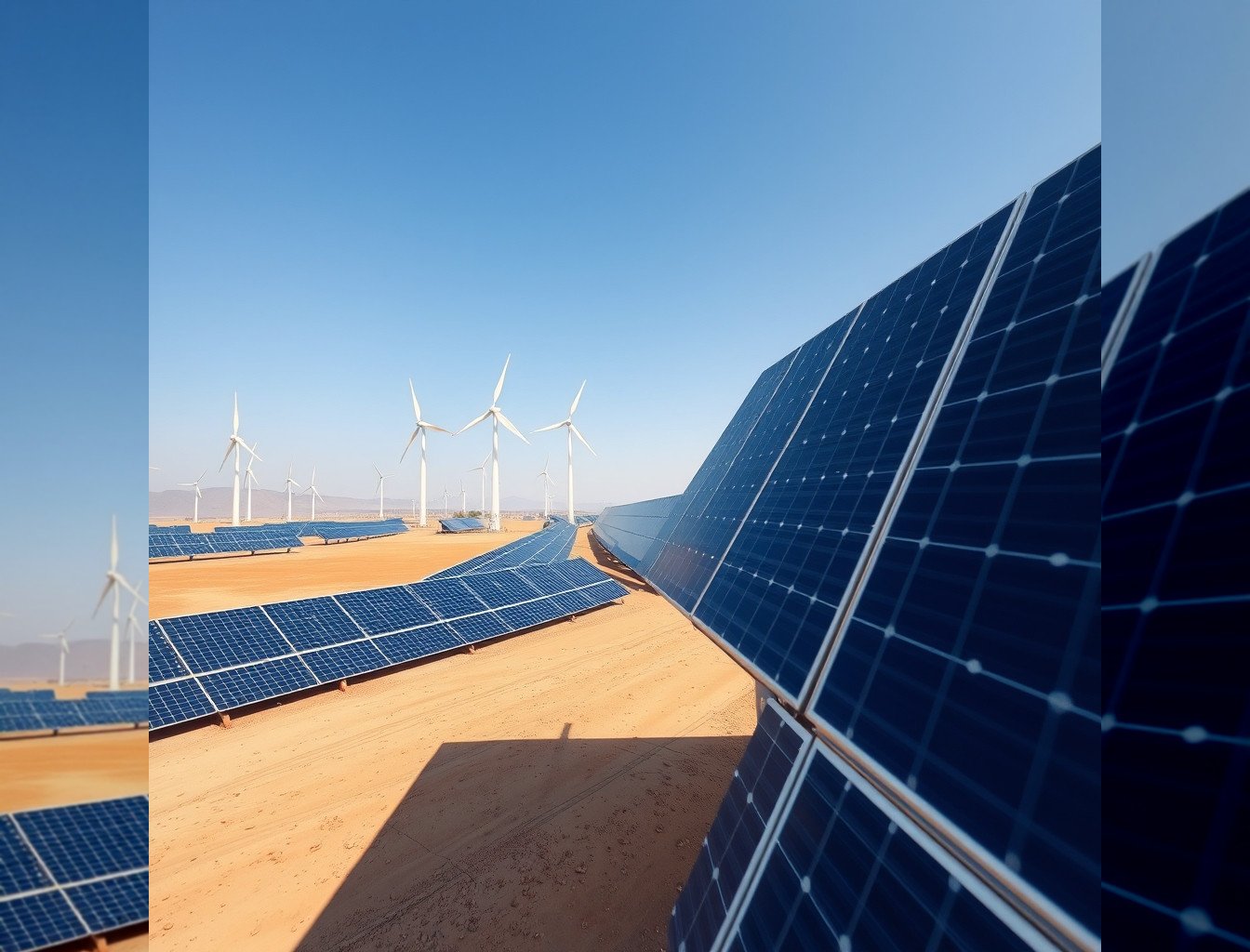
Gaza’s hospitals have no time to transition to solar or wind power—but Algerian businesses do. The country boasts abundant solar potential, yet private-sector adoption remains low. For entrepreneurs, the Gaza crisis is a call to action: energy independence is a competitive advantage.
Consider the numbers. Algeria’s renewable energy sector grew by just 1.2% in 2025, lagging behind peers like Morocco and Egypt. Yet the economic case is clear: businesses that switch to solar or hybrid systems can slash fuel costs by 30-50% annually. The diaspora, too, can leverage this shift. Algerian entrepreneurs in Europe or the Gulf could partner with local renewable firms to supply clean energy solutions back home, tapping into both markets.
The Health Ministry’s plea for “relevant parties” to intervene also holds a lesson for Algerian policymakers. Private businesses often fill gaps where government support is slow. Entrepreneurs in logistics, energy trading, or even fuel storage could position themselves as key players in securing Algeria’s energy resilience—before the next crisis hits.
Key Takeaway for Entrepreneurs
The Gaza hospital blackouts are a wake-up call for Algerian businesses: fuel dependence is a ticking time bomb. Entrepreneurs should audit their energy needs, explore renewable alternatives, and diversify suppliers before disruptions force costly last-minute fixes. For the diaspora, this crisis underscores the need to future-proof supply chains—whether by investing in local Algerian energy projects or hedging against global supply shocks. The question isn’t if another fuel crisis will occur, but when—and those who prepare first will survive.
Sources
middleeastmonitor.com
Anadolu Agency
Sources
💡 Starting a business in Algeria? GlobalStart guides you step by step: procedures, real costs, company forms (SARL, EURL, SPA) and CNRC registration.