SONATRACH’s 10GW Solar Push Could Create 50,000 Jobs—If Investors Move Fast
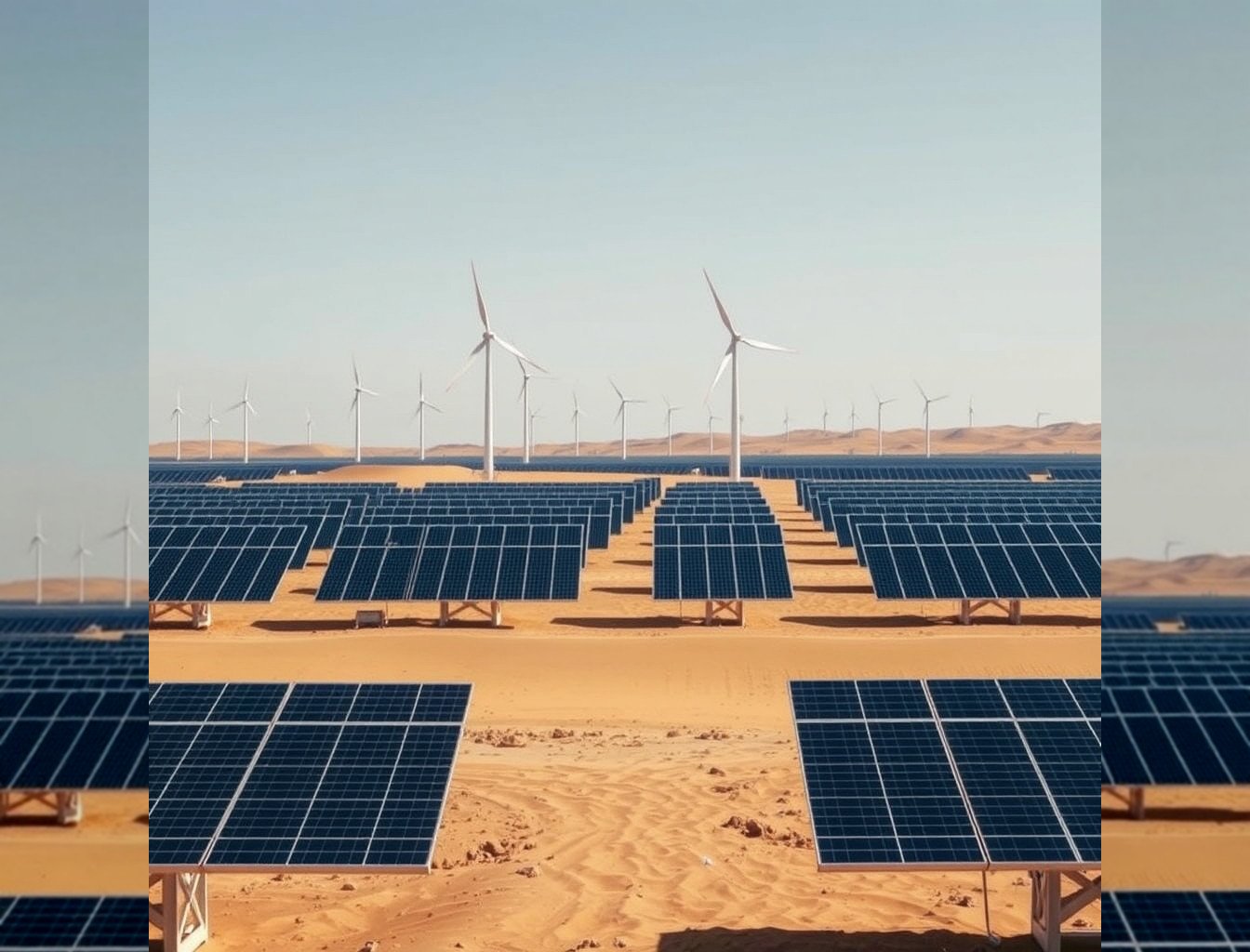
Algeria’s state energy giant SONATRACH has quietly approved a 10-gigawatt (GW) solar expansion plan, targeting $10 billion in investments by 2030. The move follows President Abdelmadjid Tebboune’s 2023 decree to slash fossil fuel imports by 30%—a shift that could redefine Algeria’s economy. For entrepreneurs, the timing is critical: contracts for the first 2GW of projects will be awarded this year, but local firms risk being shut out if they don’t prepare now.
The stakes are high. Fossil fuel imports currently drain $8 billion annually from Algeria’s balance of payments, according to African Energy Chamber data. Solar could cut that bill in half—freeing up cash for SMEs, agribusiness, and manufacturing, which have long struggled under high energy costs. But the rush to secure partnerships with SONATRACH, Sonelgaz, and private developers means foreign and domestic players must act before the window closes.
Diaspora Engineers and Local Firms Face a $5bn Opportunity—But Who’s Ready?
Algerian entrepreneurs abroad—especially those in France, Canada, and the UAE—hold a unique advantage. SONATRACH’s new tender rules prioritize joint ventures with local or diaspora-led firms for solar farm construction, maintenance, and component supply. This is a $5 billion slice of the pie that could flow to Algerian-owned businesses if they meet the technical and financial hurdles.
Take Noureddine Boudia, founder of Algeria’s first solar panel recycling plant in Oran. His company, SolarCycle, secured a $1.2 million contract with a German-Algerian consortium last year—proof that niche players can compete. But scaling up requires local partnerships. “SONATRACH’s tenders favor firms that can prove supply chain integration,” Boudia says. “If you’re importing 90% of your equipment, you’re not getting the deal.”
The catch? Bureaucracy and currency controls remain obstacles. Entrepreneurs must navigate Algeria’s foreign exchange restrictions, which limit how much dinars they can repatriate. Some diaspora investors are already structuring offshore holding companies in Dubai or Paris to bypass these limits—while still keeping operations on the ground.
From Blackouts to Billions: How Solar Could Unlock Algeria’s Industrial Revival
Algeria’s industrial sector—once a powerhouse in textiles, pharmaceuticals, and automotive—has been crippled by power shortages and soaring costs. A 2025 World Bank report found that 40% of Algerian factories operate at reduced capacity due to unreliable electricity. Solar could change that.
SONATRACH’s plan includes dedicated industrial solar parks in Oran, Annaba, and Constantine, where energy costs could drop by 40% for connected businesses. For agribusiness, this is a game-changer. Fertilizer imports—already a $1.5 billion annual expense—could be offset by solar-powered ammonia production, reducing reliance on Russian and European suppliers.
But the real opportunity lies in energy-as-a-service (EaaS) models. Startups like Tassili Energy, a Berkeley-educated Algerian entrepreneur’s firm, are already piloting pay-as-you-go solar microgrids for rural cooperatives. “We’re seeing 30% higher yields in date palm farms with stable power,” says CEO Karim Hadjadj. “The next step is scaling this for SMEs in logistics and food processing.”
Sources
💡 Starting a business in Algeria? GlobalStart guides you step by step: procedures, real costs, company forms (SARL, EURL, SPA) and CNRC registration.