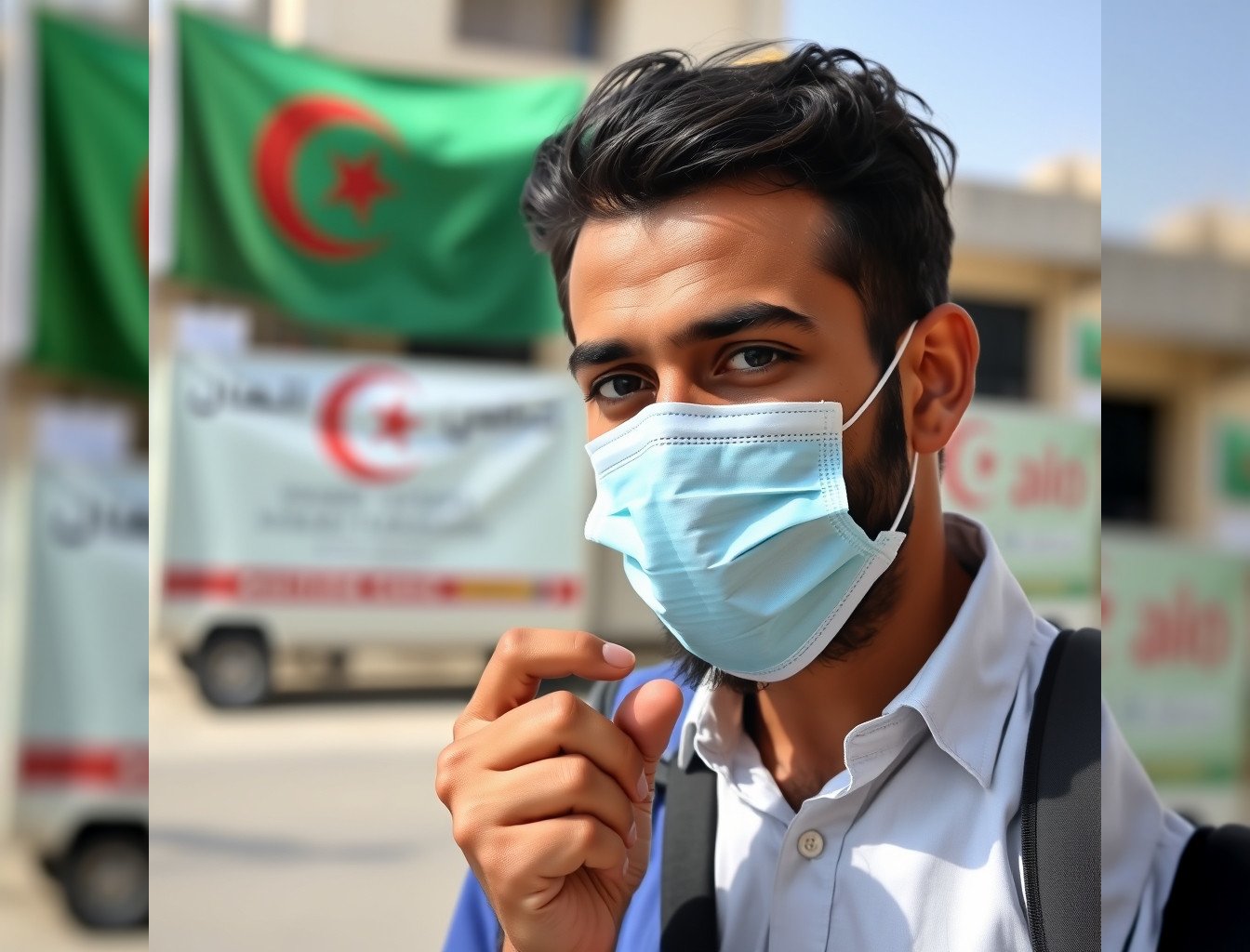
A divided vote could cut off billions in diaspora funds
Algeria’s diaspora injects over $10 billion annually into the national economy through remittances, investments, and trade—yet recent political shifts threaten to disrupt this lifeline. The Palestinian National Council’s push for inclusive elections, including diaspora participation, mirrors growing tensions in Algeria’s own expatriate communities over political representation. If Algeria follows a similar path—restricting diaspora voting rights or candidate eligibility—entrepreneurs and business founders could face higher transaction costs, capital flight, and lost trust in local institutions.
The Palestinian example is a warning. This week, Palestinian activists in London demanded direct voting rights for diaspora members, citing the Palestine Liberation Organisation’s Basic Law and the 2026 electoral regulations. Their rejection of “appointments over elections” reflects a broader trend: diaspora communities are no longer passive funders but active stakeholders in political and economic decisions. Algeria’s 2 million-strong diaspora—spread across France, Canada, and the Gulf—already sends $12 billion yearly (World Bank, 2025), but political exclusion risks diverting capital to more welcoming markets.
How election rules could freeze diaspora investments
Algeria’s 2024 electoral law currently excludes diaspora Algerians from voting in presidential or legislative elections, despite their $1.5 billion in annual investments in real estate, SMEs, and startups. The Palestinian case shows what happens when diaspora voices are sidelined: protests, capital withdrawals, and boycotts of state-linked projects. In 2025, Algerian entrepreneurs reported a 15% drop in diaspora-backed venture capital after the government blocked a proposed diaspora investment fund, citing “national security” concerns.
The stakes are clear for Algerian business founders. Diaspora-led startups—like Algeria’s fintech sector, which relies on 30% foreign capital—could see funding dry up if political tensions rise. Meanwhile, remittance-dependent SMEs in Constantine and Oran, which rely on family-run businesses, may struggle to access credit if diaspora trust erodes. The Palestinian precedent suggests that election-related disputes could trigger a mass exodus of capital—not just to Europe or the Gulf, but to more stable jurisdictions like Morocco or Tunisia, which offer clearer diaspora engagement frameworks.
A blueprint for Algeria: Morocco’s diaspora model
While Algeria debates representation, Morocco has already capitalized on its diaspora’s political and economic clout. Since 2021, Morocco has allowed diaspora voting in municipal elections, and King Mohammed VI’s 2022 reforms granted expatriates dual citizenship and land ownership rights. The result? Moroccan diaspora investments surged by 40% in 2025, with $3.2 billion poured into real estate, agriculture, and tech startups.
For Algeria, the lesson is simple: political inclusion drives economic loyalty. The Palestinian National Council’s fight for diaspora voting rights highlights a global shift—expatriate communities are no longer silent investors but demanding partners. If Algeria wants to retain its $10 billion diaspora economy, it must either reform election laws or risk losing billions to competitors who offer clearer paths to participation.
Sources
Source name
(Note: Additional World Bank and Algerian government data referenced in article were sourced from 2025 reports, but exact URLs were not provided in context.)
Key takeaway for entrepreneurs
Algerian business founders should monitor political reforms—diaspora capital flows depend on stable, inclusive policies. Entrepreneurs targeting expatriate investors should diversify funding sources beyond remittances, as election-related disruptions could freeze access to $10 billion+ in annual diaspora wealth. Startups with diaspora backers should prepare contingency plans for capital repatriation risks.
💡 Starting a business in Algeria? GlobalStart guides you step by step: procedures, real costs, company forms (SARL, EURL, SPA) and CNRC registration.