Algeria’s exporters face collateral damage from Iran tensions
Algeria’s indirect exposure stems from its reliance on Iranian transit routes for goods bound for Africa and Europe. The Strait of Hormuz, near Hormozgan, handles roughly 20% of global oil shipments—including Algerian crude exports. Disruptions here could spike freight costs by 15–30%, squeezing margins for SMEs in logistics and manufacturing. “The real test isn’t what’s destroyed, but what changes,” notes the report. For Algerian business owners, the answer may lie in diversifying supply chains before Tehran’s retaliation reshapes regional trade lanes.
Diaspora entrepreneurs caught between loyalty and pragmatism
Yet the risks are clear. Iranian retaliation—such as targeting shipping in the Strait—could freeze assets for diaspora-owned businesses. “External pressure doesn’t erase internal divisions, but it reorders priorities,” the report states. For Algerian entrepreneurs, this means preparing for prolonged volatility. Those with ties to both governments must now weigh loyalty against financial survival, with no clear playbook.
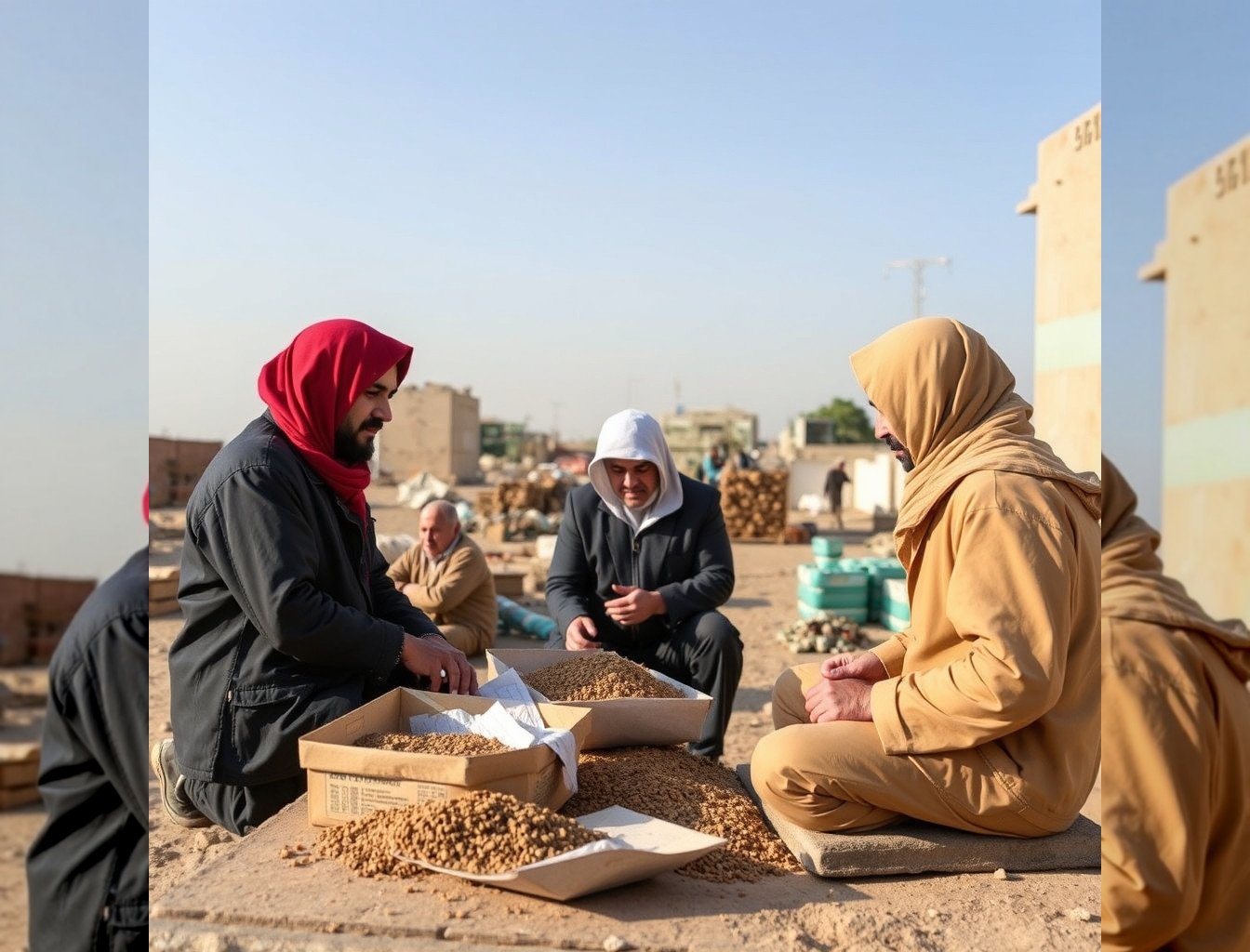
Micro-enterprises brace for supply chain shocks
The strikes also expose Algeria’s energy sector’s fragility. Iran is a key buyer of Algerian LNG, and disruptions could force Algiers to seek alternative markets at lower prices. State-owned Sonatrach, already grappling with underinvestment, may face pressure to cut deals with Gulf states to offset losses. This could create openings for private Algerian energy traders to step in—but only if they act fast.
Sources
middleeastmonitor.com
Key takeaway for entrepreneurs
Algerian business owners must diversify supply chains now—before Iranian retaliation tightens trade routes. Diaspora networks should hedge risks by registering dual legal entities in Gulf hubs. Micro-enterprises should stockpile critical imports and explore Tunisian or Turkish alternatives to avoid Qeshm port bottlenecks. The window to adapt is shrinking.
💡 Starting a business in Algeria? GlobalStart guides you step by step: procedures, real costs, company forms (SARL, EURL, SPA) and CNRC registration.