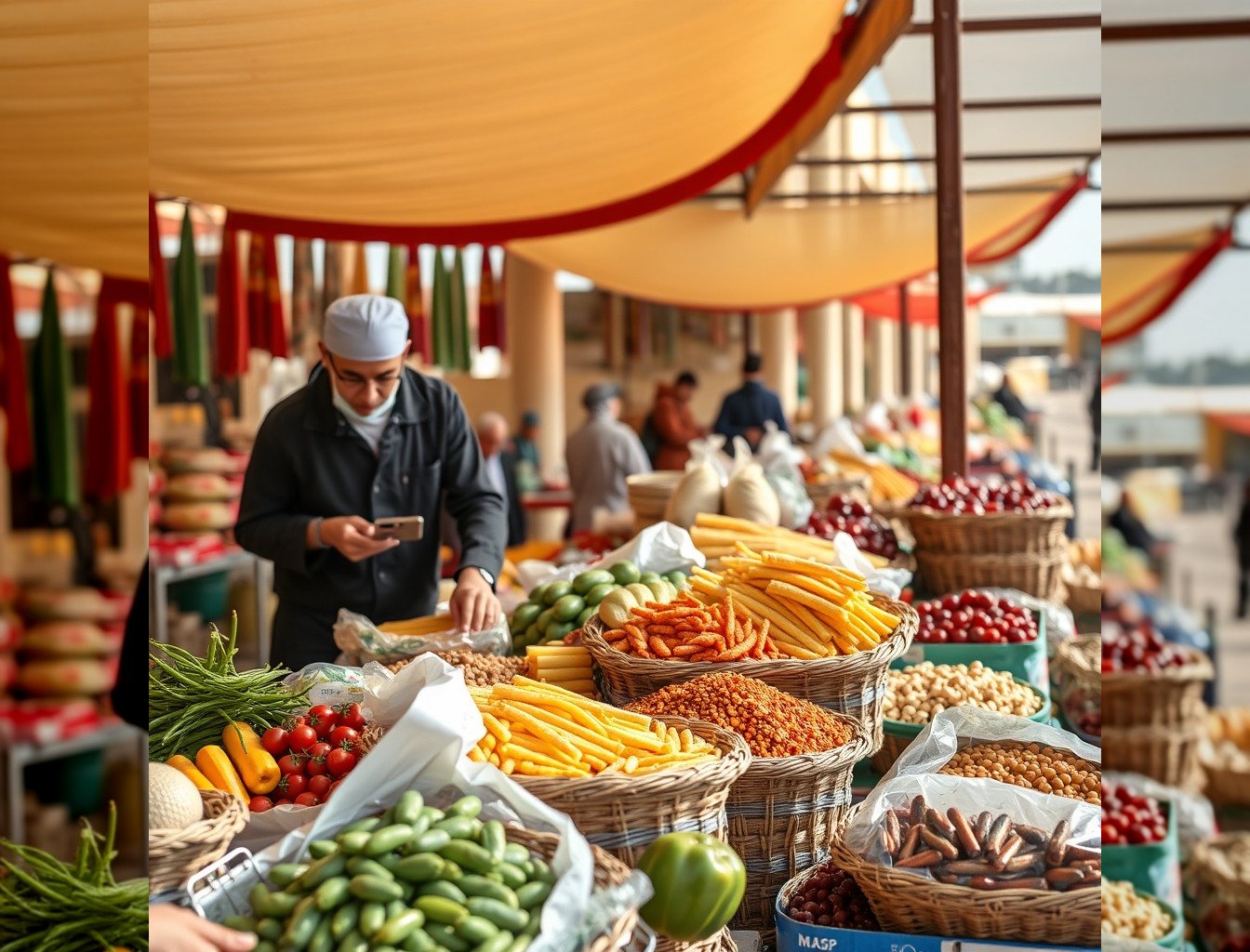
Algeria’s agricultural trade surplus of 983.1 million dinars by August 2026 marks a turning point for the country’s food economy. The 43.7% year-on-year jump in the surplus—driven by export growth outpacing imports—offers a rare opportunity for entrepreneurs, smallholders, and diaspora networks to capitalize on shifting trade dynamics. But the window may close quickly if producers fail to meet quality demands or exploit the current market conditions.
Olive oil and citrus: the export engines fueling the surplus
Citrus fruits also played a key role, with export volumes climbing alongside olive oil. The Observatoire National de l’Agriculture (ONAGRI) notes that local supply is now exceeding demand, reducing competition for export slots. For cooperatives and agribusiness founders, this means fewer bureaucratic hurdles and stronger negotiating power with buyers. A Paris-based Algerian exporter told African Manager that license approvals for olive oil and citrus have become more straightforward, reflecting Algeria’s push to diversify trade away from hydrocarbons.
The drop in export prices—7.2% for fish products and 12% for citrus—does not signal a crisis but rather a correction toward fairer market rates. Producers who previously struggled with oversupply or low margins now face a clearer path to profitability, provided they invest in packaging and traceability to meet EU and North African market requirements.
Cheaper imports: a windfall for local processors and farmers
Dairy and poultry farmers—who rely heavily on imported feed—could reinvest savings into expanding production. The ONIC’s stockpiling strategy has also reduced price volatility, giving businesses more predictable cash flows. However, not all imports have become cheaper. Orge prices rose 3.6%, and sugar imports jumped 9.7%, acting as a reminder that not every sector benefits equally from the trade shift.
The broader trend is clear: Algeria’s food trade is becoming more self-sufficient. The coverage rate reached 119.3% in the first eight months of 2026, meaning domestic production now exceeds import needs for certain commodities. This structural change could accelerate if exporters maintain quality and diaspora networks expand distribution channels.
Diaspora networks: the missing link to European and North African markets
For example, a Parisian agribusiness founder highlighted that the administrative burden of securing export permits has lessened, thanks to Algeria’s trade diversification efforts. This shift could turn the diaspora into a force multiplier—connecting small Algerian farms to European retail chains or North African wholesalers. The key will be leveraging existing community networks to ensure traceability and compliance with destination-country regulations.
Yet, success depends on speed. If local producers fail to scale up or if diaspora entrepreneurs hesitate to act, the current trade window may narrow. The ONAGRI’s data shows that while exports grew 20.7% and imports 17.1%, the margin for error is slim. Producers who delay upgrading infrastructure or securing market access risk losing ground to competitors in Tunisia or Morocco.
Key takeaway for entrepreneurs
Sources
💡 Starting a business in Algeria? GlobalStart guides you step by step: procedures, real costs, company forms (SARL, EURL, SPA) and CNRC registration.