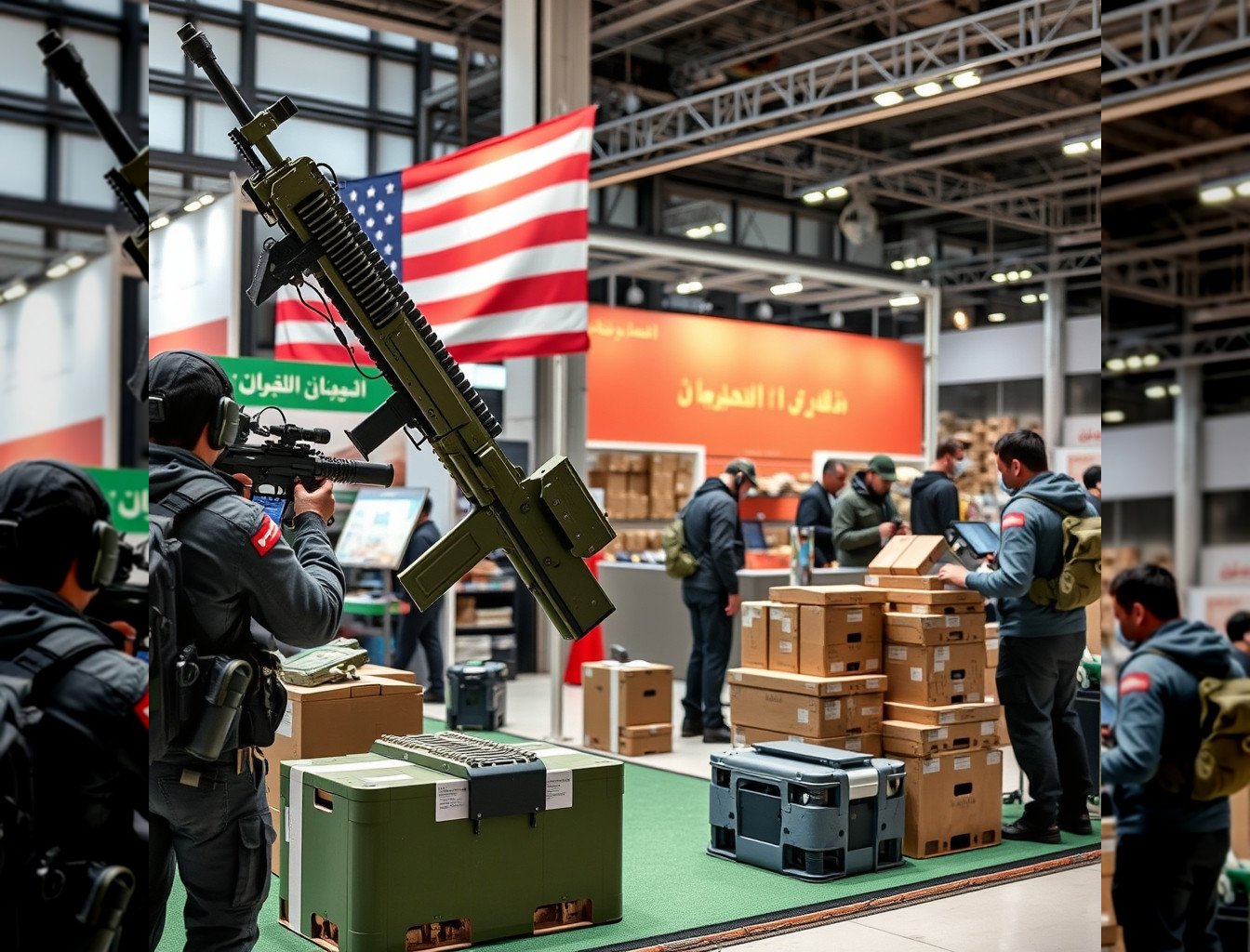
Algeria’s defense sector faces supply chain shock
For Algeria, a major importer of US and European defense technology, these delays could disrupt procurement plans. The country has recently expanded its military modernization efforts, including purchases of drones, radar systems, and missile defense from Western suppliers. If supply chains tighten, Algerian defense contractors and state-linked firms may face longer lead times—or higher costs—to secure equipment.
The impact isn’t just military. Algeria’s private sector, particularly in aerospace and electronics, relies on foreign components for maintenance, upgrades, and even civilian drone operations. A prolonged shortage could force local businesses to seek alternative suppliers, potentially shifting focus to Russia, China, or Turkey—countries less affected by US delays.
Ukraine’s crisis exposes Algeria’s vulnerability
For Algerian entrepreneurs in defense-related industries, this signals two risks:
1. Pricing volatility: If Western suppliers prioritize allies like Germany or Ukraine, Algeria may pay premiums for limited stock.
2. Local production push: Delays could accelerate Algeria’s push for domestic defense manufacturing, as seen with the recent launch of the El Biar armored vehicle project. Private firms in metallurgy and electronics may see new opportunities—but also stiffer competition from state-backed ventures.
The US is reportedly considering allowing European license production of Patriot systems, a move that could eventually benefit Algerian partners if Washington loosens export rules. However, such shifts take years, leaving immediate buyers in the lurch.
Diaspora businesses caught in the crossfire
Key concerns:
– Contract renegotiations: If a US supplier misses a delivery, Algerian clients may demand compensation or seek replacements.
– Insurance costs: War-related supply chain disruptions could drive up insurance premiums for high-risk shipments.
– Market shifts: Some diaspora businesses may pivot to Russian or Chinese suppliers, which could strain relationships with Western partners.
For example, an Algerian-French engineering firm specializing in missile maintenance might find its US-sourced parts delayed, forcing it to either halt projects or absorb extra costs. The longer the shortages last, the more companies may turn to local alternatives—even if they’re less reliable.
Key takeaway for entrepreneurs
Sources
💡 Starting a business in Algeria? GlobalStart guides you step by step: procedures, real costs, company forms (SARL, EURL, SPA) and CNRC registration.