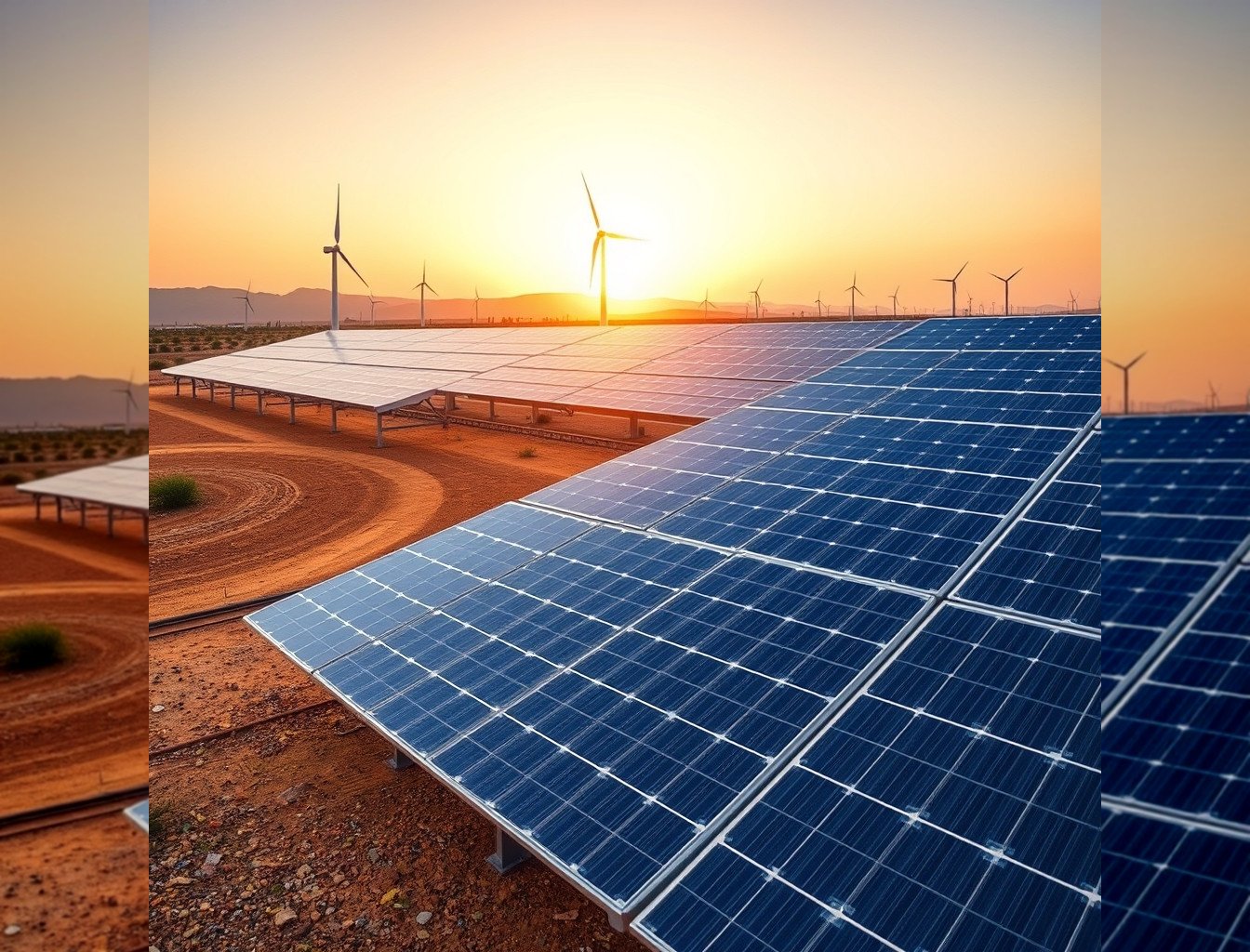
A $22 Billion Solar Plan That Could Redefine Algeria’s Economy
For entrepreneurs, this is not just about state-led projects. The plan includes public-private partnerships (PPPs), tax incentives for green tech firms, and a new renewable energy fund to attract foreign and diaspora investment. Analysts at Algeria’s National Agency for Renewable Energy (ANER) estimate that $10 billion in private capital could flow into solar, wind, and hydrogen projects over the next decade—if bureaucratic hurdles are removed.
The stakes are high. Algeria currently imports 90% of its refined oil products, spending $10 billion annually on fuel subsidies. Shifting to renewables could cut costs while creating 50,000 new jobs in manufacturing, engineering, and maintenance. For business founders, the question is no longer if but how to capitalize on this shift.
Why the Diaspora Should Take Notice: Algeria’s Green Tech Gold Rush
One standout example is Nexans, the French-Algerian cable manufacturer, which recently won a $500 million contract to supply high-voltage cables for Algeria’s first 1,000 MW solar farm in Adrar. The project, a joint venture with Algerian engineering firm CEM, shows how diaspora-linked firms can secure lucrative deals—if they navigate Algeria’s complex tender processes.
For those hesitant about local bureaucracy, public-private partnerships (PPPs) are the fastest entry point. The government has pre-qualified 150 foreign firms for renewable energy projects, including Siemens Energy, Masdar (UAE), and Iberdrola (Spain). Algerian expats with technical expertise in solar panel manufacturing, battery storage, or smart grids could leverage these ties to bid on contracts.
The Hidden Risks: Grid Weakness and Subsidy Wars
Then there’s the subsidy dilemma. Algeria’s $3 billion annual fuel subsidy—a political lifeline—could clash with private renewable investments. Some analysts warn that state-backed solar projects may undercut private players if priced too low. The solution? Decentralized microgrids, where businesses and communities generate their own power, bypassing SONELGAZ’s bottlenecks.
For entrepreneurs, this means targeting niche markets first. Agricultural solar pumps, mining operations in the Sahara, and telecom towers in remote areas are early adopters. Algerian agribusinesses, for instance, could slash electricity costs by 40% with solar-powered irrigation—if they find financing.
How to Play the Game: Three Steps for Smart Investors
The government’s 2024-2028 industrial strategy prioritizes hydrogen and green ammonia—areas where Algeria could become a Mediterranean leader. With $5 billion earmarked for hydrogen projects, entrepreneurs in ammonia production, desalination, or green steel have a clear path.
Sources
Source name
Source name
Key takeaway for entrepreneurs
Algeria’s renewable energy push is creating $10 billion in private investment opportunities, but success depends on partnering with local firms, targeting niche markets like agribusiness and mining, and leveraging diaspora networks for financing. The fastest wins will go to those who move now—before state-backed projects dominate the sector.
💡 Starting a business in Algeria? GlobalStart guides you step by step: procedures, real costs, company forms (SARL, EURL, SPA) and CNRC registration.