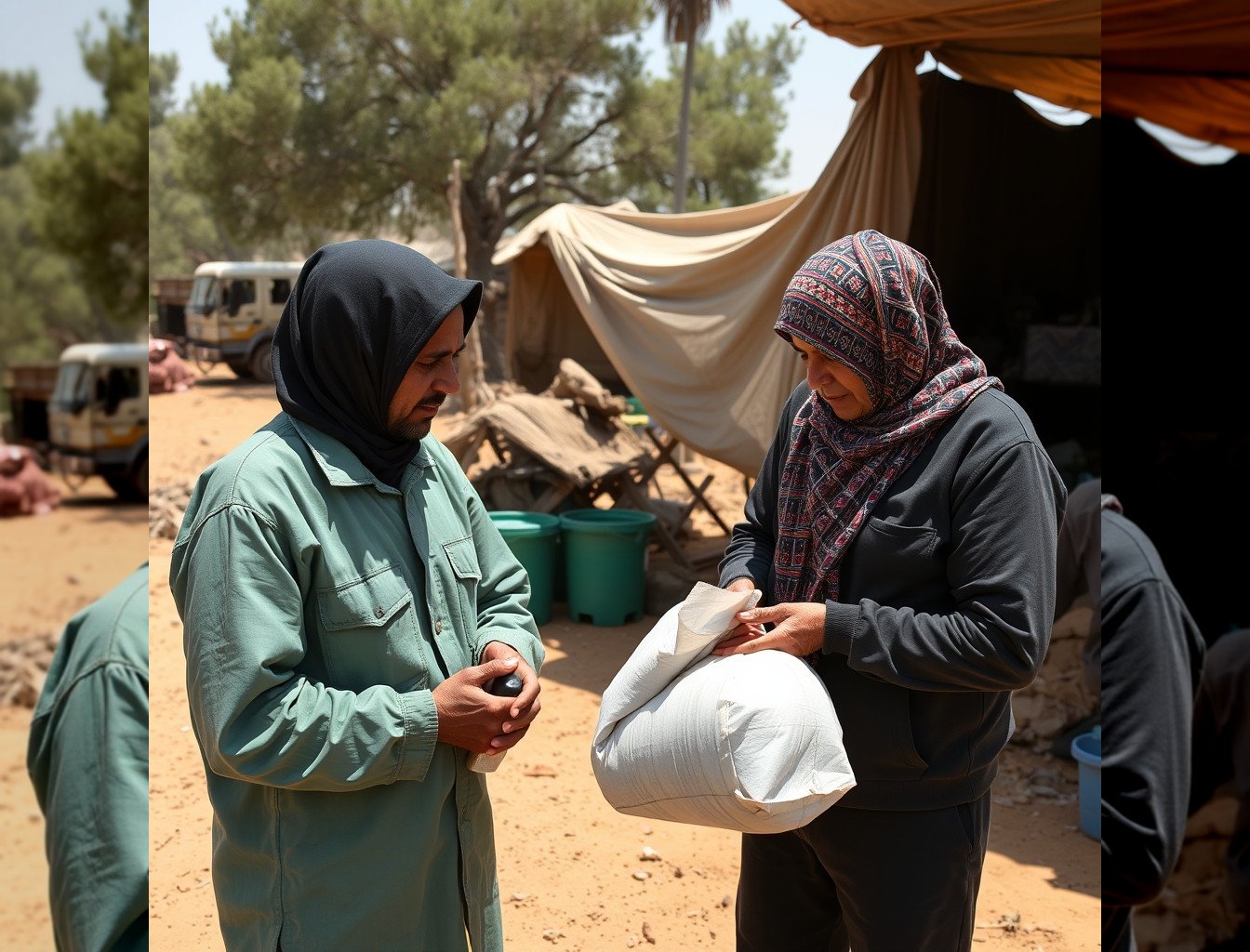
Algeria’s recent wildfires in Jijel province have left deep scars—burned land, displaced families, and economic losses—but for savvy entrepreneurs, the government’s financial aid rollout presents a rare chance to rebuild while creating new ventures. With the Ministry of Interior, Local Authorities, and Transport announcing continued disbursements to affected citizens, the question isn’t just about recovery. It’s about who will step in to fill the gaps left by destruction.
Aid Rolls Out, But Gaps Remain for Local Economies
The fires that ravaged Jijel last August destroyed thousands of hectares of forests, olive groves, and farmland—key pillars of the region’s economy. According to the Ministry’s statement this week, financial aid is being distributed to those hardest hit, but the scale of damage means many small businesses and farmers still lack the capital to restart operations. For entrepreneurs, this creates both a challenge and an opportunity.
Jijel’s economy relies heavily on agriculture, tourism, and small-scale trade. The fires wiped out an estimated 15,000 hectares of forest and damaged infrastructure critical for local producers. While the government’s aid—reportedly ranging from 50,000 to 200,000 dinars per affected household—helps with immediate needs, it won’t cover the full cost of rebuilding. That’s where private-sector solutions come in.
Rebuilding the Supply Chain: A Chance for Agripreneurs
Olive oil and citrus exports are Jijel’s lifeblood. The fires destroyed orchards and processing facilities, disrupting supply chains that stretch from local cooperatives to exporters like Sofruol and Sofruol Jijel. For entrepreneurs with capital, the need for reconstruction is clear: new storage facilities, irrigation systems, and cold-chain logistics are urgently required.
One entrepreneur, Karim Benali, who runs a small olive oil cooperative in the region, told local media he’s already negotiating with banks for loans to rebuild his pressing plant. “The government’s aid is a start, but we need investors willing to take risks,” he said. The opportunity lies in partnering with affected farmers to modernize their operations—turning traditional farms into tech-enabled agribusinesses with better yields and export potential.
Tourism’s Slow Recovery: Where Private Investment Can Lead
Jijel’s beaches and natural parks were also hit by the fires, damaging a tourism sector that employs thousands. Before the blazes, the region attracted over 2 million visitors annually, many drawn by eco-tourism and adventure sports. Now, hotels and tour operators are scrambling to restore damaged trails and facilities.
Entrepreneurs with experience in hospitality or sustainable tourism could step in by funding eco-rehabilitation projects—think reforestation-linked tourism packages or partnerships with local guides to rebuild trust with visitors. The government’s 2025 tourism strategy aims to boost rural tourism, but execution depends on private investment. Those who act now could secure contracts with the National Agency for the Development of Tourism (ANDT) before competitors.
The Diaspora’s Untapped Role in Reconstruction
Algerian expatriates—particularly those in France, Canada, and the Gulf—have historically funded small businesses back home. This time, their involvement could be even more critical. Remittances to Algeria hit $10 billion in 2025, but only a fraction goes toward reconstruction. Diaspora entrepreneurs could channel funds into joint ventures with Jijel-based businesses, offering expertise in logistics, digital marketing, or sustainable farming.
Take Driss Messaoudi, a Paris-based Algerian who co-founded an agro-tech startup. He recently announced plans to invest in drip irrigation systems for Jijel’s olive farms, leveraging his network to source materials at lower costs. “The diaspora has the capital and skills—we just need the right incentives,” he said. The government’s aid program could be a catalyst if it includes tax breaks for diaspora investors targeting reconstruction.
The Risk of Missing the Window
Not all opportunities will last. If entrepreneurs wait too long, the window for cost-effective reconstruction narrows. Land prices in Jijel are already rising as demand for rebuildable plots increases. Meanwhile, competition from larger corporations—like Sofruol or CEVital, which may expand into the region—could price out smaller players.
The key is speed. Entrepreneurs should focus on three high-impact areas:
1. Agribusiness infrastructure (storage, processing, irrigation).
2. Tourism rehabilitation (eco-trails, guesthouses, digital bookings).
3. Diaspora partnerships (funding, mentorship, export links).
Key takeaway for entrepreneurs
Jijel’s wildfire recovery isn’t just a humanitarian issue—it’s a business goldmine for those who act fast. The government’s aid provides a foundation, but the real growth will come from private investment in agriculture, tourism, and supply chain rebuilding. Entrepreneurs who partner with affected communities, leverage diaspora networks, and target high-demand sectors will not only help rebuild Jijel but also secure a competitive edge in Algeria’s post-disaster economy. The question isn’t whether to invest—it’s how quickly.
💡 Starting a business in Algeria? GlobalStart guides you step by step: procedures, real costs, company forms (SARL, EURL, SPA) and CNRC registration.