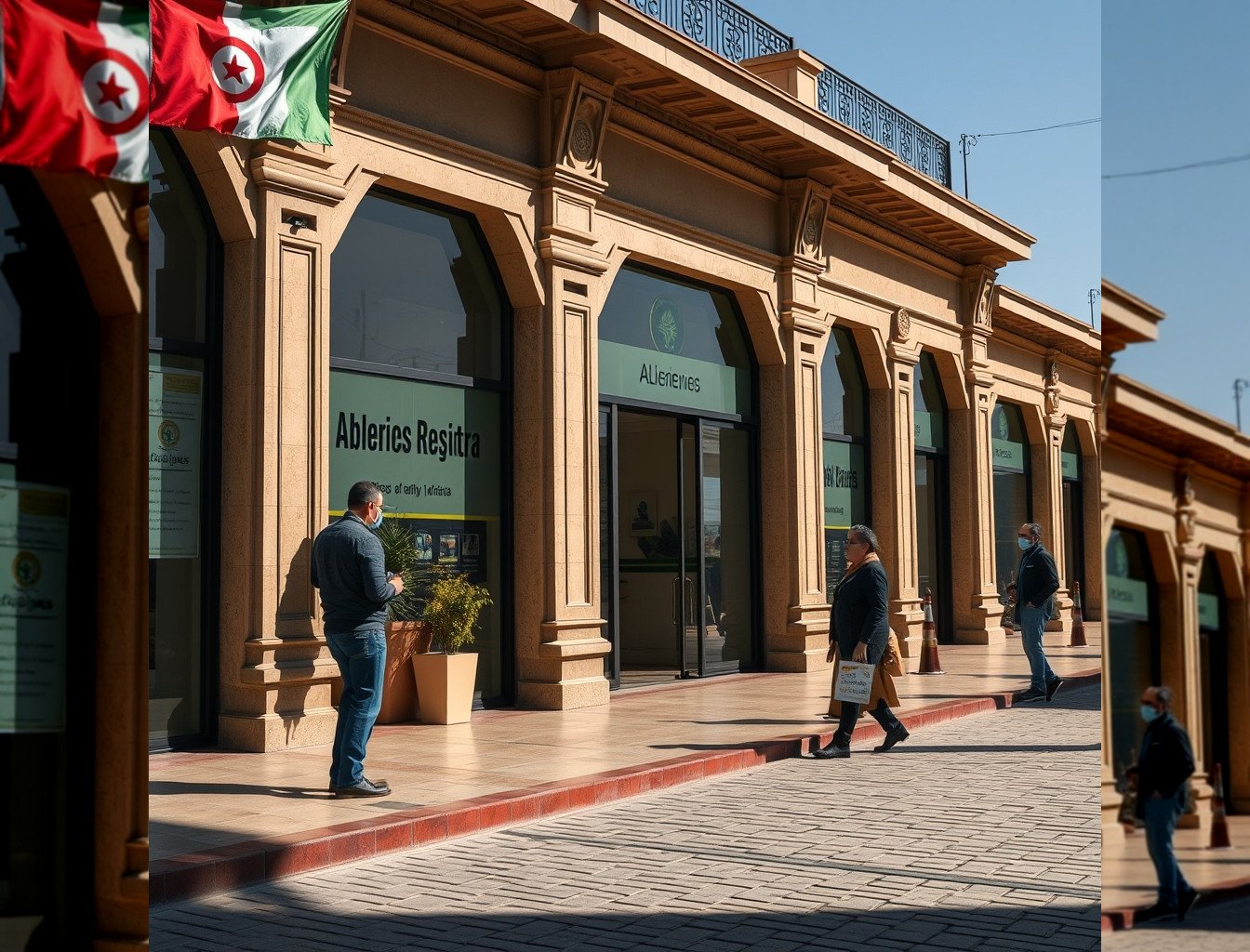
A WEEK OF CONTRASTS: SECURITY CRACKDOWNS, DIPLOMATIC MOVES, AND ECONOMIC SIGNALS
The interplay between these trends determines where capital flows and where red tape tightens.
REGISTRY CRACKDOWN: FORGERY ARRESTS AND NEW DECREE RISKS
For entrepreneurs:
– Document verification delays may rise as authorities cross-check registrations.
– Foreign investors should use INATEL-certified notaries (cost: $500–$1,500 per document) to avoid rejection.
– The new “Algeria Award for the Prophet’s Seerah” decree (published June 10) introduces state-backed cultural funding—a niche opportunity for halal tourism or publishing firms, but with mandatory compliance checks.
FDI PLAYBOOK: KINSHASA DEAL VS. FRANCE’S DEPORTATION DRIVE
Contrast with France:
– 140 Algerians deported in five months under Macron’s tightened 1968 migration deal.
– Diaspora entrepreneurs face visa denials for business trips if linked to “irregular status” cases.
– Remittances (Algeria’s $10 billion annual inflow) may slow if French banks tighten scrutiny on hawala networks.
For investors:
– Africa remains the priority—Kinshasa’s project offers tax holidays for 10 years and local currency settlements.
– France-Algeria trade (€6 billion/year) could see supply chain disruptions if diaspora-owned SMEs lose access to EU markets.
PHARMA AND SECURITY: WHO ACCREDITATION VS. CYBER RISKS
Security sector:
– IT consulting firms won $80 million in contracts for military cybersecurity upgrades, per defense ministry tenders.
– Wildfire response failures (2023: $1.2 billion in agricultural losses) highlight underfunded civil protection, a gap for foreign disaster-response firms.
Opportunities:
– Pharma exporters must meet WHO GMP standards (cost: $300,000–$1 million per facility).
– Cybersecurity firms can bid on military and oil-sector tenders, but bribery risks persist (20% of contracts involve unofficial payments).
GEOPOLITICS AND FOOTBALL: MILITARY DISPLAYS AND SOFT POWER
Football as diplomacy:
– Brahim Hemdani took charge of the national team ahead of AFCON qualifiers, a $50 million revenue opportunity for sponsors (e.g., Etisalat, Sonatrach).
– Morocco’s AFCON win (2023) drew $1.5 billion in tourism and FDI—Algeria’s team could replicate this if it qualifies.
Red threads:
– Military contracts (e.g., Russian arms deals) may prioritize state-owned firms over private bidders.
– Soft power via sports could open tourism and media deals, but government approval is mandatory.
POLITICS AND YOUTH: PARLIAMENTARY SIGNALS FOR INVESTORS
Key moves:
– New Council of State president appointed—bureaucratic delays in licensing may ease if digitalization reforms (2024 target: 50% online permits) succeed.
– Youth conference highlighted Algeria’s strategic Africa-Europe-Mediterranean position, a marketing angle for logistics and energy firms.
For entrepreneurs:
– Diplomatic openings could fast-track infrastructure projects (e.g., Trans-Saharan rail links).
– Youth-focused policies may lower labor costs if vocational training programs expand.
BALANCE SHEET: HIGH RISK, HIGH REWARD SECTORS
KEY TAKEAWAY FOR ENTREPRENEURS
💡 Starting a business in Algeria? GlobalStart guides you step by step: procedures, real costs, company forms (SARL, EURL, SPA) and CNRC registration.