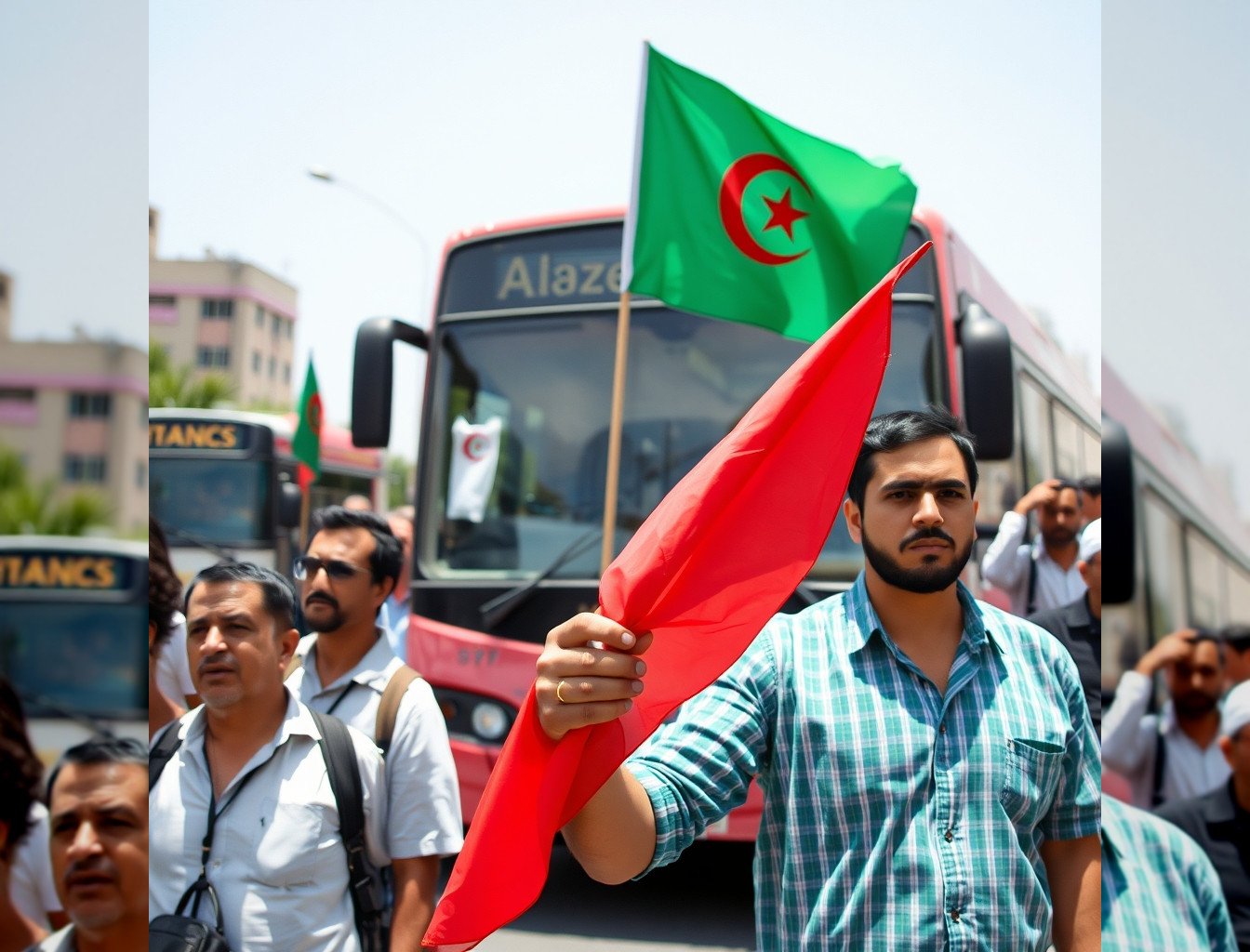
Politics: Human Rights Diplomacy and State Media Control
Algeria’s foreign policy this week focused on human rights advocacy while tightening control over state media.
At the Uzbekistan conference on international human rights law, Algeria’s Upper House delegation emphasized non-selective application of global standards. The statement targeted selective enforcement by Western nations, particularly regarding U.S. and EU policies on migrant detention and labor rights. For Algerian entrepreneurs, this stance could influence trade negotiations—especially in sectors like agriculture and textiles, where EU market access depends on compliance with labor and environmental norms.
The government also reaffirmed its commitment to youth empowerment and women’s protection. Figures from the National Agency for Employment (ANEM) show 62% of new hires in 2023 were under 30, but female labor force participation remains at 18%, below the 2025 target of 22%. Businesses in tech and renewable energy—sectors with high female employment potential—may see policy incentives if the government follows through on these pledges.
Media: State Appointments Signal Centralized Control
President Abdelmadjid Tebboune reappointed directors general of Algerian Public Television (ENTV) and Algerian Radio (ERA). The moves follow a 2023 crackdown on private media, including the suspension of 12 news websites for “inciting unrest.” For entrepreneurs in digital media and advertising, this signals increased scrutiny of online content.
The state’s grip on media affects brand perception. A 2023 study by the Algerian Press Agency (APA) found 45% of Algerian consumers trust state-run outlets more than private ones. Businesses relying on social media or independent platforms may face higher regulatory risks, particularly in e-commerce and fintech, where foreign investment is growing.
Economic Implications: Trade, Labor, and Digital Risks
1. Trade Negotiations and Compliance Costs
2. Labor Market Shifts—Opportunities in Tech and Renewables
3. Media Crackdown—Who Wins, Who Loses?
Diaspora Impact: Remittances and Investment Barriers
Algerian expatriates sent $6.8 billion in remittances in 2023—10% of GDP. The Central Bank’s 2024 foreign exchange rules now limit diaspora investments to $50,000 per year per individual, down from $100,000 in 2022. This affects real estate and SME financing, where diaspora capital was a key source.
For entrepreneurs, this means:
– Higher costs for import-dependent businesses (e.g., electronics, pharmaceuticals) due to foreign currency shortages.
– Stricter scrutiny on diaspora-backed startups, particularly in fintech and crypto, where 2023 saw 12 license revocations.
Key Takeaway for Entrepreneurs
💡 Starting a business in Algeria? GlobalStart guides you step by step: procedures, real costs, company forms (SARL, EURL, SPA) and CNRC registration.