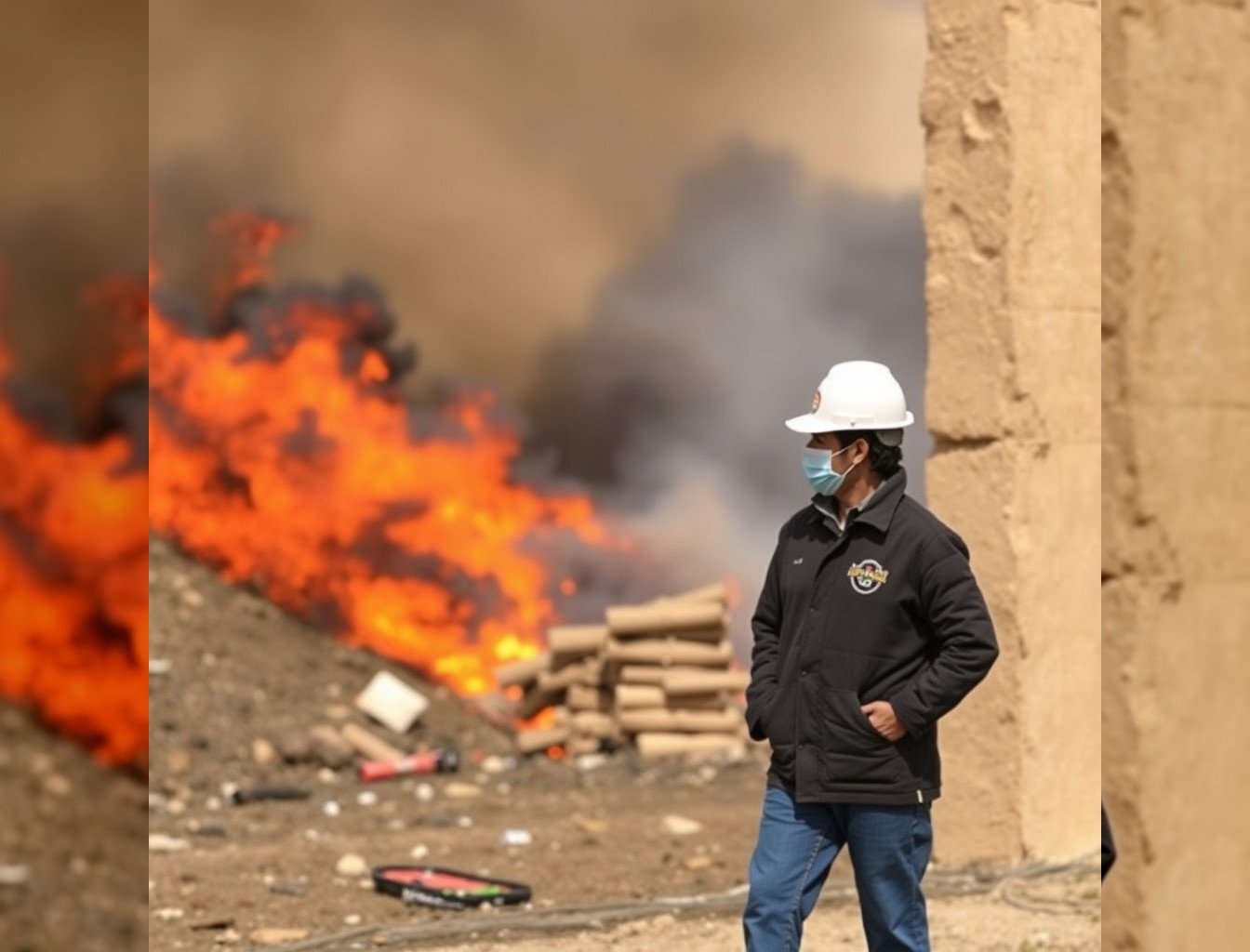
Algeria’s wildfire recovery takes a critical step forward as the Ministry of Interior, Local Authorities and Transport begins distributing compensation decisions to victims in affected provinces. The move follows the completion of census operations and on-site assessments, marking a tangible shift from relief efforts to economic recovery for thousands of households—with direct implications for entrepreneurs, local businesses, and the Algerian diaspora.
A lifeline for small businesses in scorched regions
Many small businesses in rural and semi-urban areas rely on local markets that were disrupted by the fires. A carpenter in a village near Béjaïa, for example, may now qualify for funds to replace tools and materials lost in the flames. The ministry’s statement confirms that compensation decisions are being rolled out province by province, meaning entrepreneurs in affected zones should monitor announcements from local authorities for eligibility details.
Diaspora remittances meet domestic recovery
Entrepreneurs with ties to Europe or the Gulf may find new opportunities in importing reconstruction materials or offering specialized services. A Tunisian-Algerian contractor based in France, for instance, could leverage local networks to supply fire-resistant building materials at competitive rates. The diaspora’s role extends beyond funding—many have technical skills in construction, logistics, and disaster recovery that could fill gaps in Algeria’s rebuilding efforts.
Local markets face a supply crunch—and a chance to adapt
A small-scale olive oil producer in the region could use compensation funds to modernize storage or invest in drought-resistant varieties. Meanwhile, logistics firms may see demand surge for temporary warehousing solutions as businesses relocate. The challenge is speed: entrepreneurs who can quickly adapt to disrupted supply chains will gain a competitive edge.
Government action tests trust in Algeria’s economic resilience
For business founders, transparency in compensation distribution is critical. Delays or inconsistencies could discourage investment, while efficient disbursement could attract both domestic and foreign capital. The Algerian government’s next move—whether it accelerates infrastructure repairs or offers tax incentives for reconstruction—will determine whether this becomes a turning point for local economies.
A window for innovation in disaster-resistant business models
A startup in Algiers specializing in eco-friendly construction, for example, might see increased orders from homeowners rebuilding after fires. Similarly, tech entrepreneurs could create platforms connecting displaced workers with reconstruction jobs, reducing labor shortages in affected areas.
Key takeaway for entrepreneurs
Compensation decisions mark the start of a rebuilding phase where quick action will separate survivors from thrivers. Entrepreneurs in wildfire-hit provinces should track local announcements for eligibility, while those in the diaspora can channel funds and expertise into reconstruction. The coming months will reveal whether Algeria’s recovery becomes a boom for local business—or another missed opportunity.
💡 Starting a business in Algeria? GlobalStart guides you step by step: procedures, real costs, company forms (SARL, EURL, SPA) and CNRC registration.