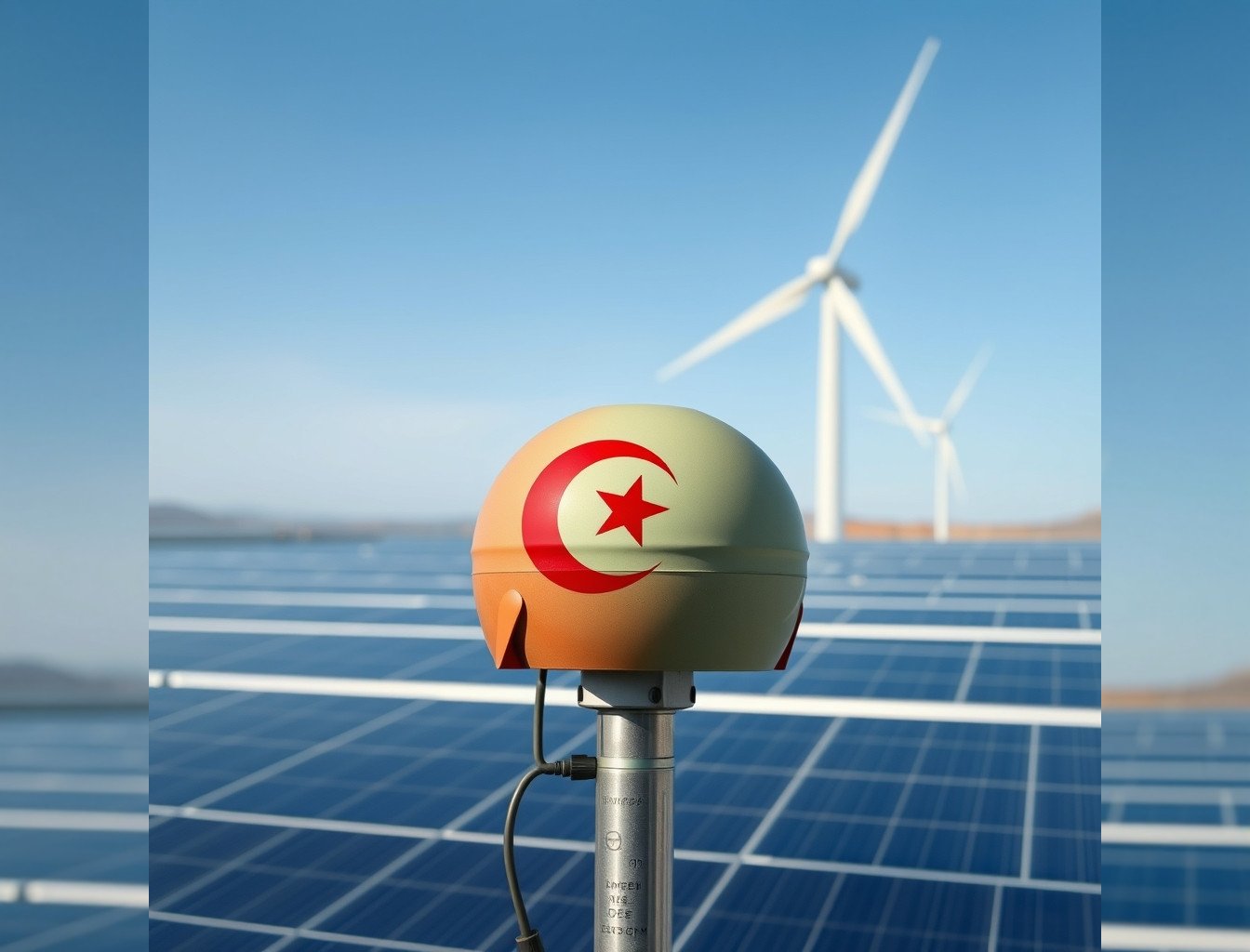
Algeria’s push to export green hydrogen to Germany is accelerating—and local entrepreneurs stand to gain billions if they move fast. The latest deal between Sonatrach and German firms signals a shift: Algeria is no longer just an oil exporter but a potential hydrogen hub. For Algerian business founders and the diaspora, this means new funding, partnerships, and a race to dominate a sector that could reshape the economy.
Sonatrach and Germany seal hydrogen export pact
This week, Algeria’s state energy giant Sonatrach announced a major expansion of its hydrogen cooperation with Germany, including feasibility studies for liquefied green hydrogen exports. The deal, backed by German energy firms like RWE and Uniper, could see Algeria supply up to 10 million tons of hydrogen annually by 2035—enough to power millions of German homes and industries.
The project hinges on Algeria’s vast solar and wind potential. With 2,800 hours of sunshine yearly, the country could produce hydrogen at costs competitive with Europe’s. But Sonatrach isn’t just relying on state-backed projects. Private investors, including Algerian diaspora entrepreneurs, are being courted to develop smaller-scale hydrogen plants.
Why this deal matters for Algerian entrepreneurs
The hydrogen boom isn’t just about big energy deals—it’s about creating a local ecosystem. German firms are already scouting for Algerian tech startups to supply components like electrolyzers, storage systems, and logistics. For example, a startup in Algiers developing modular hydrogen storage could see orders spike if it secures German certification.
The financial upside is staggering. A recent report by the Algerian Ministry of Energy estimates that hydrogen exports could generate $10 billion in revenue by 2035—money that could flow into local businesses if they position themselves early. The diaspora, particularly in France and Germany, is already investing in Algerian green energy ventures, seeing it as a way to bridge two economies.
The diaspora’s role in funding the next wave
Algerian expatriates are playing a key role in this transition. Many have experience in European energy markets and are now returning to Algeria to invest. Take the case of Mohamed Benali, a French-Algerian engineer who co-founded a hydrogen equipment supplier in Oran. His company recently won a contract with a German firm to supply piping systems for an Algerian hydrogen plant.
The diaspora isn’t just investing capital—they’re bringing expertise. German-Algerian business networks, like the Algerian-German Chamber of Commerce, are facilitating partnerships between local startups and European firms. For entrepreneurs, this means access to mentorship, funding, and direct market entry into Germany.
The race to build Algeria’s hydrogen infrastructure
But the opportunity isn’t without challenges. Algeria’s current infrastructure is optimized for oil and gas, not hydrogen. Entrepreneurs will need to invest in electrolyzers, pipelines, and port facilities—areas where local companies are still catching up.
Sonatrach is addressing this by launching a $500 million fund to support small and medium-sized enterprises (SMEs) in hydrogen-related projects. The fund will cover everything from research to commercial-scale production. For a startup like HydroAlger, which is developing a portable hydrogen refueling station, this could mean the difference between pilot projects and full-scale deployment.
How to capitalize on the hydrogen gold rush
For entrepreneurs, the first step is specialization. Germany’s demand isn’t just for raw hydrogen—it needs logistics, maintenance, and tech solutions. An Algerian company that masters hydrogen transport or storage could become a critical supplier to European firms.
The diaspora should focus on niche markets where Algeria has an edge. For instance, solar-powered hydrogen production in the Sahara could attract investors looking for low-cost, high-efficiency solutions. Meanwhile, Algerian engineers with experience in LNG (like those at Sonatrach) can pivot their skills to hydrogen liquefaction.
Key takeaway for entrepreneurs
Algeria’s hydrogen deal with Germany is more than an energy partnership—it’s a business opportunity worth billions. Local startups and diaspora investors who act now can secure contracts, funding, and a piece of a $10 billion market. The window is open, but the competition is heating up—those who build expertise in hydrogen tech, logistics, or financing will lead the charge.
Sources
- Capmad
💡 Starting a business in Algeria? GlobalStart guides you step by step: procedures, real costs, company forms (SARL, EURL, SPA) and CNRC registration.