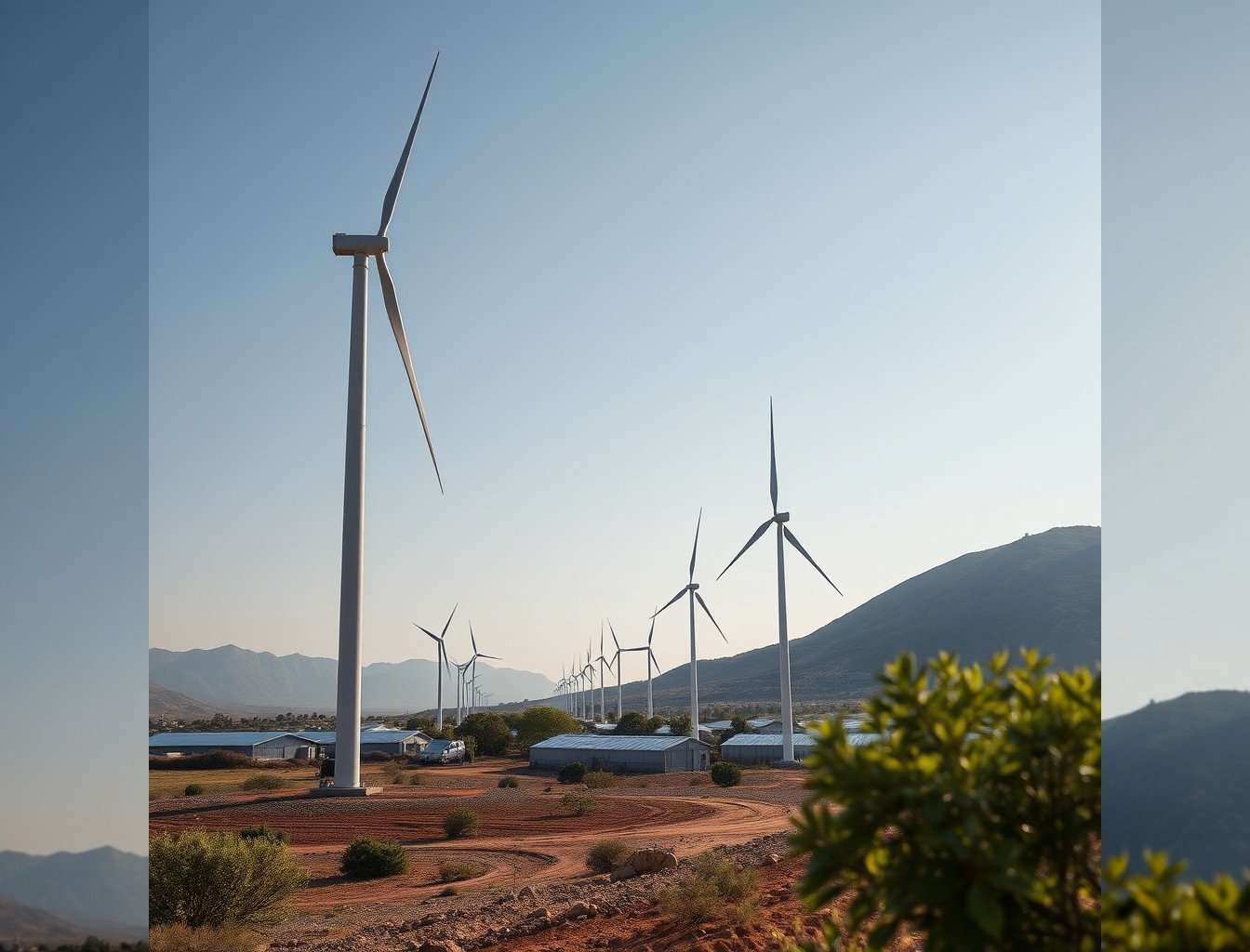
Algeria’s energy exports to Europe are reshaping both its economy and the continent’s transition away from Russian gas. In 2025, the country delivered 35 billion cubic meters of natural gas to the EU—22% more than in 2023—solidifying its role as the bloc’s third-largest supplier. The surge comes as European buyers scramble to replace Russian pipeline gas, and Algiers has seized the opportunity. For entrepreneurs in Algiers, Oran, and the diaspora, the numbers translate directly into new revenue streams: transit fees, royalties, and local-content contracts tied to the Medgaz and Trans-Med pipelines. The state-owned energy giant Sonatrach has signed 10-year supply agreements with major European firms—Italy’s Eni, France’s Engie, and Germany’s SEFE—each including 15% local-content mandates for engineering, construction, and maintenance.
These clauses are not just symbolic. In 2025 alone, Sonatrach awarded 47 subcontracts worth $1.8 billion to Algerian SMEs—up from 29 contracts in 2022. The projects range from pipeline inspection drones to corrosion-resistant coatings and digital twin software, areas where Algerian startups are now directly pitching to Sonatrach’s procurement teams. The shift reflects a deliberate strategy: Algeria is turning its energy exports into a domestic industrial opportunity. For local businesses, this means direct access to high-value contracts—but also stricter compliance requirements on technology transfer and workforce training.
Green Hydrogen and Solar Corridors: The Next Frontier
The push for green hydrogen is tied to export ambitions. Algeria aims to become a major hydrogen supplier to Europe by 2030, with $10 billion in planned investments in production and liquefaction plants. For entrepreneurs, this means new markets in electrolyzer maintenance, pipeline logistics, and carbon-capture tech. The regulatory sandbox for energy startups—launched in 2024—allows firms to test innovations like AI-driven grid optimization without full compliance costs upfront. Diaspora investors, particularly from France and Italy, are taking notice, seeing Algeria as a low-risk entry point into Europe’s green-energy supply chains.
Ports and Pipelines as Economic Multipliers
Beyond energy, the visa-free access granted to EU and North American investors in 2023 has lowered entry barriers for diaspora entrepreneurs. Algerians in France, Germany, and Canada are returning or investing remotely, often leveraging faster profit repatriation rules introduced in 2024. The government has also simplified currency conversions for foreign investors, reducing the bureaucratic friction that once slowed deals. For startups, this means easier access to capital—whether through local venture funds or European grant programs for green-energy projects.
Regulatory Sandboxes and Currency Reforms: Removing the Friction
The combination of local-content mandates, visa liberalization, and sandbox access is creating a clear pathway for entrepreneurs. Sonatrach’s procurement teams now actively scout for Algerian tech firms, particularly in digital energy services. The state-owned company has even partnered with Algerian universities to train workers in AI for pipeline management and renewable energy integration. For SMEs, this means not just contracts, but also talent pipelines—a rare advantage in Algeria’s labor market.
Key takeaway for entrepreneurs
Algeria’s energy shift is not just about gas—it’s about building an entire ecosystem. The $5 billion annual market for local SMEs in gas infrastructure, renewables, and digital energy services is real and expanding, with green-hydrogen tenders and regulatory sandboxes offering clear entry points. For diaspora investors, visa-free access and streamlined currency rules reduce the risks of entering a new market. The message is simple: Algeria’s energy diplomacy is creating opportunities—but only for those who move fast and comply with local-content rules.
Sources
- Modern Diplomacy
💡 Starting a business in Algeria? GlobalStart guides you step by step: procedures, real costs, company forms (SARL, EURL, SPA) and CNRC registration.