Water: A Desperate Race Against Scarcity
Algeria’s water crisis is no longer a distant threat—it is a defining economic and social challenge. The country’s reliance on desalination has become a cornerstone of survival, with state-owned Sonatrach leading a major expansion of plants to secure supplies by 2030. Three new desalination facilities are already under construction, a response to decades of over-extraction from aquifers and erratic rainfall. Yet the urgency is compounded by climate pressures: forest fires in 2026 killed at least twelve people, exposing the fragility of Algeria’s ecosystems. The World Bank has warned that without sustained investment, water stress will deepen, threatening agriculture—the backbone of the economy—and urban stability.
The stakes are political as well. Algeria’s desalination push is not just about technology but about geostrategic positioning. By 2030, the country aims to reduce its dependence on rain-fed agriculture, a sector already strained by drought. But the transition is costly, and delays risk exacerbating regional tensions. Neighboring Libya and Tunisia face similar shortages, creating a volatile dynamic where water disputes could escalate into broader conflicts. For entrepreneurs, this means opportunities in water-efficient infrastructure, renewable energy for desalination, and agribusiness innovations—but also the need to navigate a high-risk regulatory environment.
Rails and the Logistics Revolution
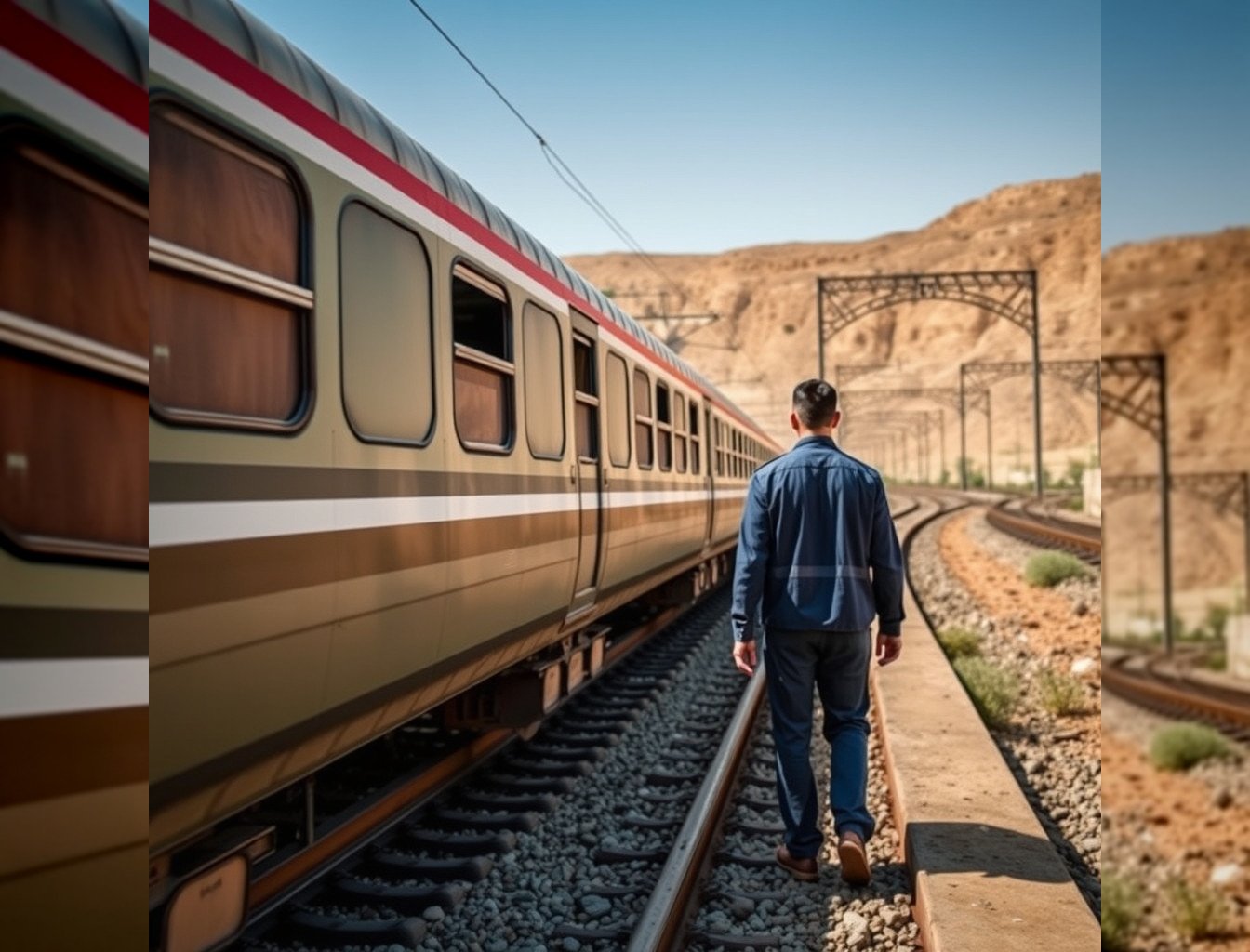
Algeria’s rail network is undergoing a transformation, but the changes are uneven. The recent inauguration of the Western Mining Railway—a heavy-haul line designed to transport iron ore—marks a shift toward resource extraction, aligning with Algeria’s deepening ties with China. Beijing has become a key partner in this expansion, with grants from the MCDF funding Algerian rail projects alongside those in Egypt and Kazakhstan. The focus on iron ore reflects China’s demand for raw materials, but it also underscores Algeria’s strategy to leverage its mineral wealth for economic diversification.
Yet rail expansion is not just about exports. Logistics corridors are being repurposed to ease domestic bottlenecks, particularly in food distribution. The 2026 forest fires disrupted supply chains, highlighting vulnerabilities in a country where 80% of arable land is rain-dependent. Public transport, too, is a weak link. Cities like Algiers and Oran struggle with overcrowded systems, forcing businesses to adapt. For entrepreneurs, this creates demand for private logistics solutions, rail-adjacent services, and urban mobility innovations—but success depends on securing contracts in a state-dominated sector.
Regional Shifts: From Football to Counterterrorism
Algeria’s labor market constraints are visible even in football, where a 2015 ban on foreign players has left clubs scrambling. The rule, designed to protect local talent, has backfired: Algerian forwards like Mohamed Amoura now face limited opportunities abroad, reducing their earning potential. This reflects a broader trend—youth unemployment remains high, and education reforms, including a push for English-language instruction, have struggled to align with labor needs. The shift toward English poses logistical challenges, as universities lack resources to implement it effectively.
Security remains a parallel concern. Al-Qaeda in the Islamic Maghreb (AQIM) persists as a threat, particularly in southern regions where state control is weak. The group’s ability to operate reflects deeper structural issues: underfunded rural economies and a lack of alternative livelihoods. Meanwhile, the Israel-Hamas war has tested Algeria’s diplomatic stance, forcing a balancing act between principle and pragmatic engagement. For entrepreneurs, this means operating in an environment where instability can disrupt supply chains, while security-sensitive sectors—like mining or energy—require careful navigation of both local and foreign partnerships.
Interconnected Themes: Climate, Economy, and Opportunity
The threads connecting Algeria’s challenges are clear. Water scarcity, rail expansion, and labor constraints are not isolated issues—they reinforce each other. Climate change accelerates water stress, which in turn strains agriculture and food security. Rail projects aim to mitigate these pressures but depend on foreign investment, exposing Algeria to geopolitical risks. Meanwhile, youth unemployment and education gaps create a workforce ill-prepared for the economy’s evolving needs.
For businesses, the key is identifying where these pressures create demand. Desalination and renewable energy projects offer long-term contracts. Rail-linked logistics and food processing can capitalize on state-backed infrastructure. Even in football, the ban on foreign players has spurred local talent agencies and sports academies. But the biggest risk is misreading Algeria’s priorities. The IMF’s warnings about economic mismanagement are a reminder: diversification is urgent, but without structural reforms, opportunities will remain constrained.
Key takeaway for entrepreneurs: Algeria’s water and rail investments present high-potential sectors, but success requires deep local partnerships and resilience to regulatory shifts. The country’s labor and security challenges demand adaptability—those who align with state priorities while mitigating risks will find the most stable opportunities.
Sources
- Council on Foreign Relations
- PBS
- sports.yahoo.com
- Al Jazeera
- Railway Gazette International
- International Railway Journal
💡 Starting a business in Algeria? GlobalStart guides you step by step: procedures, real costs, company forms (SARL, EURL, SPA) and CNRC registration.