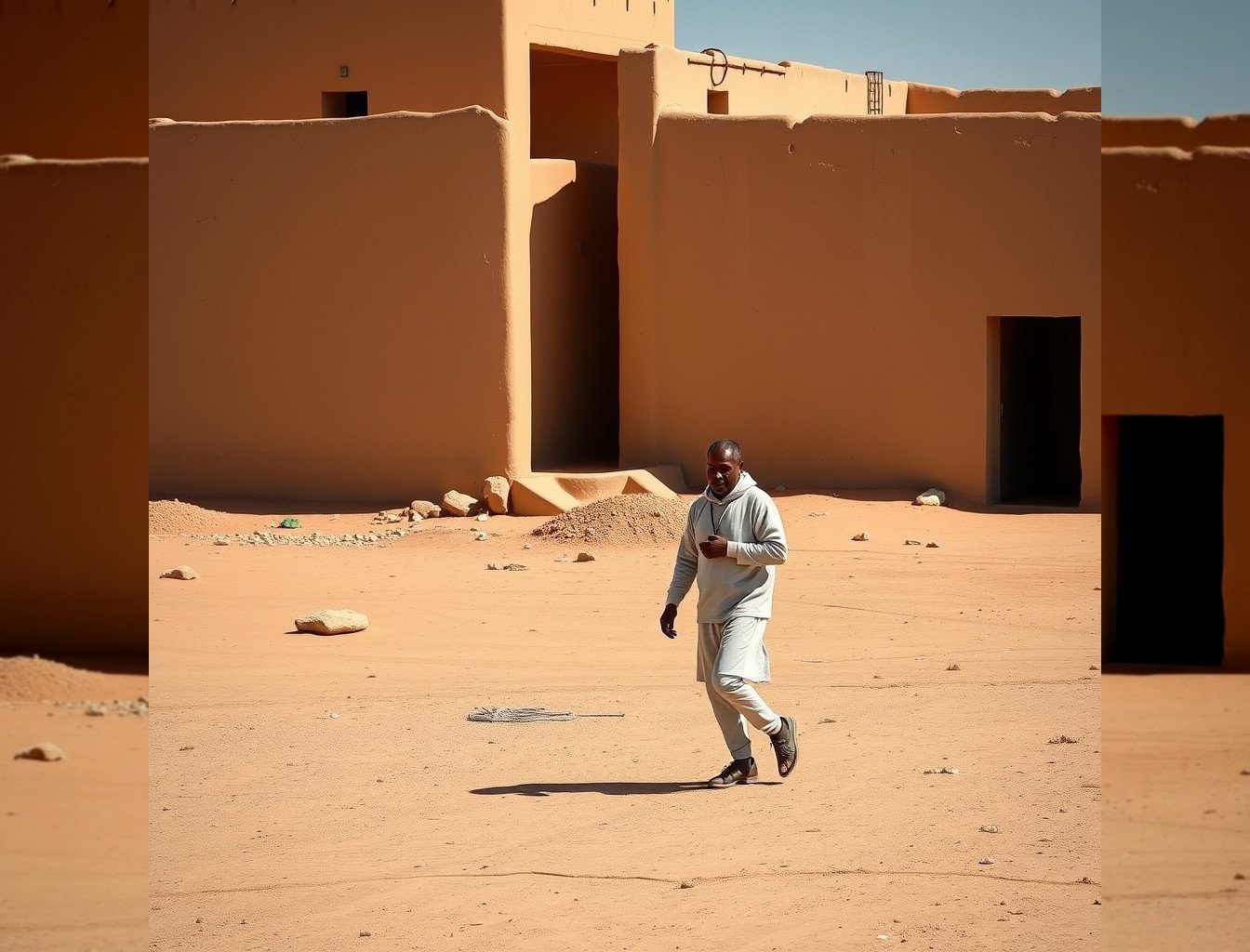
The United Nations Security Council recently approved a resolution endorsing Morocco’s autonomy proposal for Western Sahara, a contested territory at the heart of North African geopolitics. The move strengthens Rabat’s diplomatic hand but underscores Algeria’s isolation on the issue, with potential ripple effects for Algerian entrepreneurs, business founders and the country’s diaspora.
Since the 1970s, Western Sahara has remained a flashpoint between Morocco and Algeria, which backs the Polisario Front, the independence movement seeking self-determination for the territory. Morocco controls about 80% of Western Sahara and considers the region integral to its sovereignty. Algeria hosts Sahrawi refugee camps near Tindouf and supports the Polisario diplomatically, a stance that has shaped its foreign policy for decades.
The recent UN decision follows years of stalled negotiations and failed peace plans. According to Reuters, the Security Council called for “realistic, practicable and enduring solutions” based on Morocco’s 2007 autonomy plan. France 24 reports the resolution passed with broad international support, signaling a shift toward recognizing Morocco’s position. Morocco World News quoted an ex-Algerian minister accusing “US pressure” on Algeria to accept the plan, highlighting the depth of bilateral tensions.
For Algerian entrepreneurs and founders, this development carries both risks and opportunities. Western Sahara is rich in phosphate reserves, a critical input for fertilizer production. Morocco’s state-owned phosphate giant OCP Group is the world’s largest exporter, with sales exceeding $7 billion annually. Algeria, however, possesses significant untapped phosphate deposits in Tébessa and Djebel Onk, estimated at 2.2 billion tonnes by the Ministry of Energy and Mines.
The UN resolution does not alter Algeria’s legal stance but may complicate cross-border trade and investment. Currently, Algeria bans direct trade with Morocco, including phosphate imports. The country relies on phosphate exports to Tunisia and other markets, but regional tensions have limited expansion. If the UN’s endorsement of Morocco’s plan reduces international sympathy for Algeria’s position, Algerian phosphate producers could face reduced market access or pricing pressure.
Sonatrach, Algeria’s state energy company, also stands to confront challenges. Western Sahara’s waters hold offshore oil and gas potential, and Morocco has granted exploration licenses to international firms. If foreign investors increasingly align with Morocco’s sovereignty claims, Sonatrach may struggle to secure partners for joint ventures in the region. Algeria’s energy sector contributes 30% of government revenue, making it highly sensitive to external pressures.
The diaspora, particularly in France and Spain, may feel the impact as well. Remittances from Algerian workers abroad total about $12 billion annually, according to the World Bank. Political tensions between Algiers and Rabat could affect visa policies or labor market access for Algerian migrants, especially in sectors like construction, transport and hospitality in Europe.
Entrepreneurs with cross-border ventures should reassess risk exposure. Logistics firms transporting goods between Algeria and Morocco face ongoing restrictions, while those operating in renewable energy or agriculture may find new avenues in neighboring Mauritania or Tunisia, where Algeria has stronger diplomatic ties. Startups in fintech and digital services could diversify into markets less affected by geopolitical tensions.
Key takeaway for entrepreneurs
Algerian founders should monitor phosphate market dynamics and Sonatrach’s contract negotiations, as Morocco’s strengthened position may influence global pricing and investor sentiment. Diaspora-led businesses should evaluate exposure to European labor markets and remittance flows amid rising political frictions. Diversifying trade partnerships toward sub-Saharan Africa and leveraging Algeria’s domestic market could mitigate risks in the short term.
Sources
- EL PAÍS English
- Reuters
- France 24
- The Guardian
- Morocco World News
💡 Starting a business in Algeria? GlobalStart guides you step by step: procedures, real costs, company forms (SARL, EURL, SPA) and CNRC registration.