A five-year contract ends abruptly
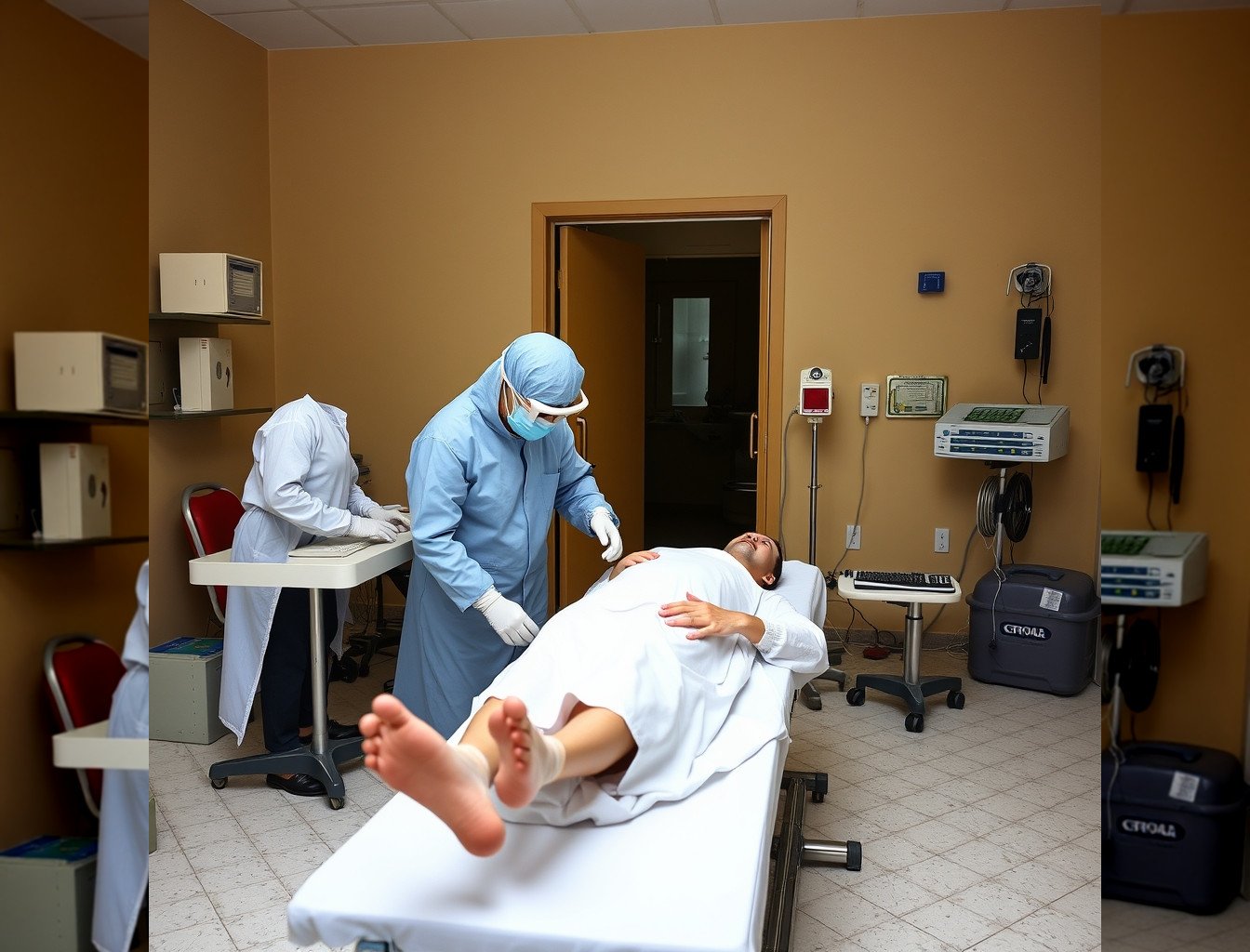
The decision came after the University of California San Diego (UCSD) stopped supplying donated bodies, citing regulatory failures. The receiving surgical skills lab did not meet requirements for handling human remains in specialized facilities, UCSD officials confirmed. USC clarified it did not profit from the donated remains themselves, but the broader financial and ethical implications remain under scrutiny.
Ethical and legal risks overshadow profits
For Algerian entrepreneurs and businesses operating in medical or biotech sectors, this case highlights the growing global pressure on institutions to align with ethical standards. Compliance with international regulations—especially in sensitive areas like human tissue handling—can now influence partnerships and funding opportunities.
What this means for Algerian startups and diaspora investors
The diaspora, particularly those in the US or Europe, may also reassess investments in universities or research institutions. Algerian investors in biotech or healthcare startups should prioritize compliance with Western ethical guidelines to avoid operational disruptions. The $1 million generated by USC’s program, though modest, signals that even niche medical training contracts can attract attention—and scrutiny.
A cautionary tale for medical and research ventures
The USC case also reflects broader trends: institutions are increasingly held accountable for how they handle human remains, even in training contexts. Algerian startups in regenerative medicine or surgical training could benefit from proactively adopting international ethical frameworks to preempt similar controversies.
Key takeaway for entrepreneurs
Sources
middleeastmonitor.com
💡 Starting a business in Algeria? GlobalStart guides you step by step: procedures, real costs, company forms (SARL, EURL, SPA) and CNRC registration.