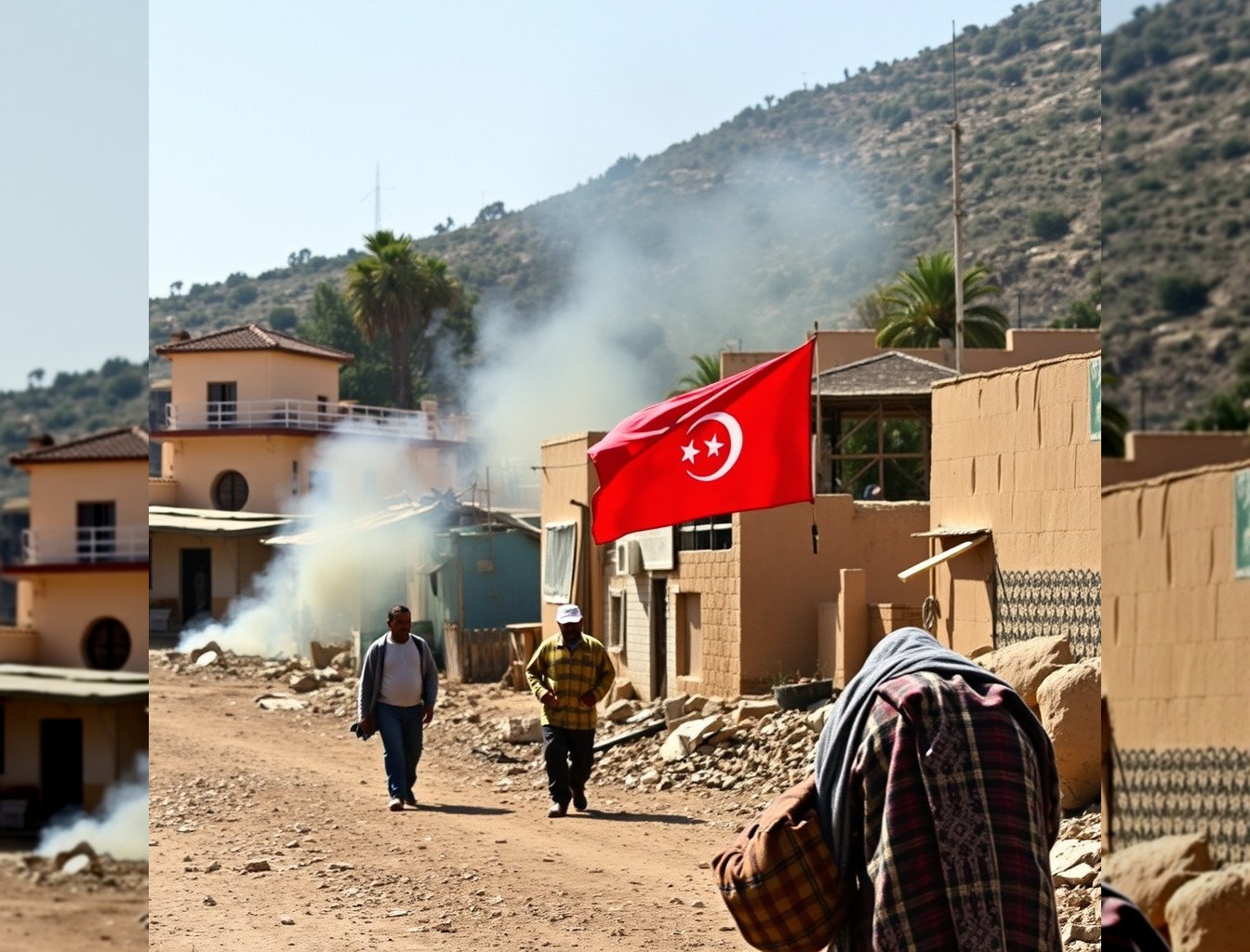
Algeria’s recent wildfires in Tizi-Ouzou have revealed a stark truth: the country’s economic resilience is being tested by climate disasters that threaten tourism, agriculture, and small businesses. While authorities declare a return to normalcy, entrepreneurs and investors must now factor in rising climate risks—from supply chain disruptions to property damage—that could reshape local economies.
A Swift Recovery, But Lingering Costs
Local authorities in Tizi-Ouzou reported a rapid restoration of services after the fires, with state agencies and municipalities mobilizing to clear debris and repair infrastructure. Yet the financial toll remains unclear. Small shops in Kabylie’s mountain villages—many family-run—face lost inventory, damaged stock, and temporary closures. One café owner in Draâ El Mizan told El Watan this week that his second-floor terrace, a key revenue source, was reduced to ash.
For entrepreneurs, the immediate challenge is rebuilding. The Algerian government has yet to announce specific relief funds, but local chambers of commerce are pushing for tax breaks or low-interest loans. In 2025, Algeria’s tourism sector contributed $1.2 billion to GDP, with Tizi-Ouzou a hotspot for eco-tourism and cultural visits. If fires recur, that income stream could shrink.
Supply Chains Under Fire
The wildfires disrupted agricultural supply chains critical to Algeria’s food security. Tizi-Ouzou’s forests supply timber, honey, and medicinal plants to markets in Algiers and Oran. A 2024 report by the Ministry of Agriculture estimated that 15% of Kabylie’s forestry sector was affected, delaying shipments of cork and aromatic herbs used in pharmaceuticals and cosmetics.
Entrepreneurs importing these goods now face higher costs and delays. One exporter in Béjaïa told Jeune Afrique that prices for wild-harvested products have jumped 20% since the fires, forcing him to renegotiate contracts with European buyers.
Diaspora Investors Watch Closely
Algerian entrepreneurs abroad are taking note. Remittances from the diaspora—$11 billion in 2025—often fund local businesses. Many are now asking: Is Tizi-Ouzou still a safe bet for investments? The fires highlight how climate volatility can erode returns. A Paris-based real estate developer told APS this week that insurance premiums for mountain properties have risen, making new projects riskier.
Opportunities Amid the Ashes
Not all news is grim. The fires have accelerated discussions on fire-resistant infrastructure and renewable energy. The Algerian government’s 2026–2030 climate plan includes $500 million for reforestation and early warning systems—potential contracts for local contractors.
For agribusiness founders, the crisis could spur innovation. Drought-resistant crops and vertical farming are gaining traction in Kabylie, where water scarcity is worsening. Startups like Algeria GreenTech are already testing solar-powered irrigation in affected zones.
Key takeaway for entrepreneurs
The Tizi-Ouzou fires are a wake-up call: Algeria’s business environment is changing. Entrepreneurs must diversify supply chains, secure climate-resilient insurance, and explore green tech investments. For diaspora investors, due diligence on regional risks is no longer optional—it’s essential. The question isn’t if climate disasters will hit again, but how to build businesses that survive them.
Sources
💡 Starting a business in Algeria? GlobalStart guides you step by step: procedures, real costs, company forms (SARL, EURL, SPA) and CNRC registration.