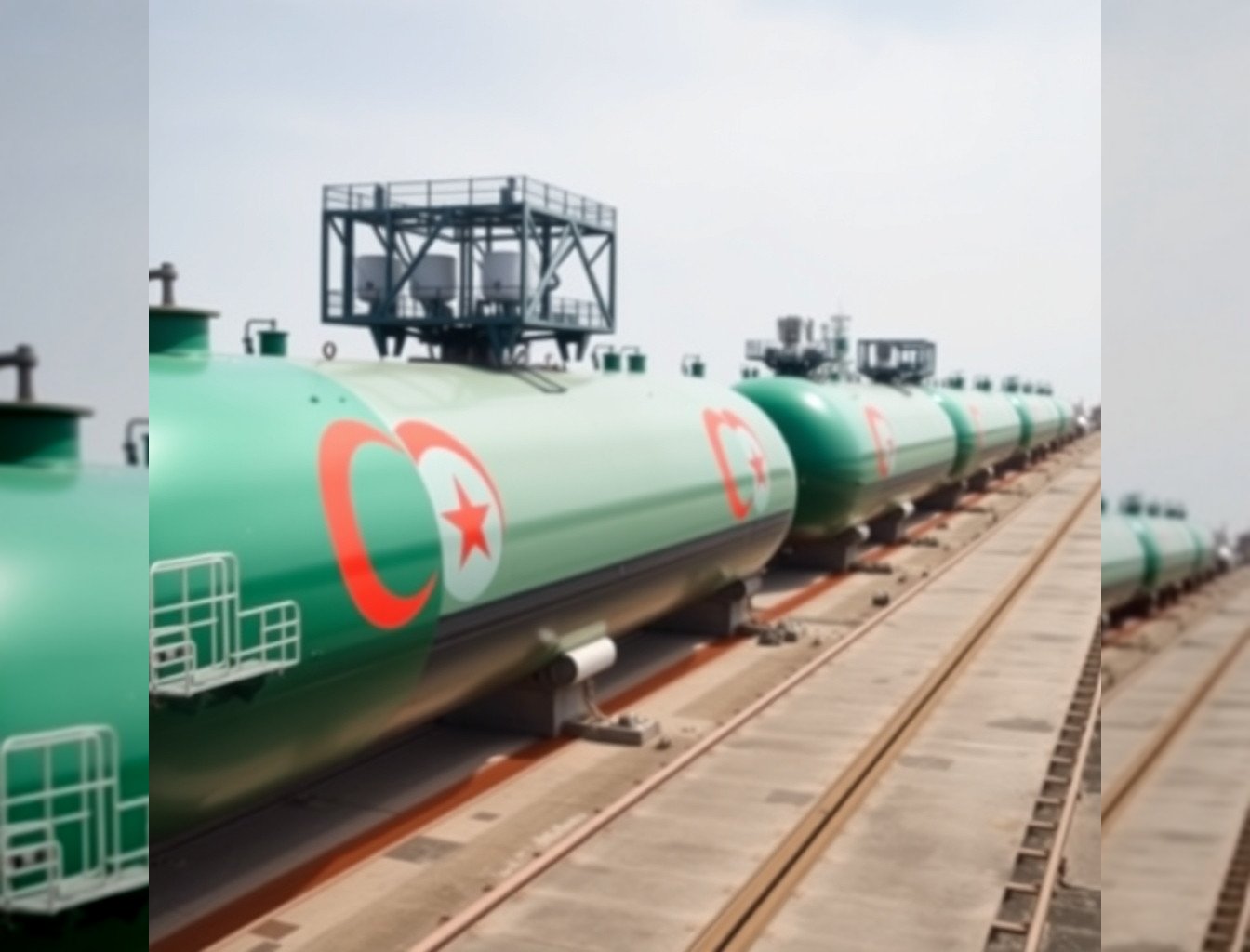
Algeria’s state-owned energy giant Sonatrach recently exported its first liquefied natural gas cargo to Germany, marking a strategic pivot in its European market strategy and opening new revenue streams for the national oil company. The shipment, loaded at the Arzew liquefaction terminal in western Algeria, arrived in Germany this week, according to Egypt Oil & Gas, which cited shipping data. While the volume was not disclosed, the move follows years of negotiations and infrastructure upgrades aimed at diversifying Algeria’s LNG buyers beyond traditional partners in Italy, Spain, and France.
The German market represents a high-value opportunity for Sonatrach, especially as Europe seeks to reduce reliance on Russian gas following the 2022 energy crisis. Germany, which has accelerated the construction of LNG import terminals, including the floating terminal in Brunsbüttel, is now a key target for Algerian gas exporters. “This is part of Sonatrach’s long-term strategy to reposition Algeria as a reliable supplier to northwest Europe,” said energy analyst Youssef Cherif, director of the North Africa Energy Program at Columbia University. He noted that the German deal could set a precedent for future long-term contracts, potentially increasing Algeria’s share in Europe’s LNG import mix.
Sonatrach’s push into Germany coincides with broader regional shifts. Algeria is also expanding pipeline gas exports to Europe via the Medgaz and Galsi pipelines, which connect Algeria directly to Spain and Italy. In 2025, Sonatrach finalized a five-year supply deal with Italy’s Eni to deliver 9 billion cubic meters of gas annually, reinforcing Algeria’s role as a top supplier to southern Europe. Meanwhile, neighboring countries like Nigeria and Senegal are ramping up LNG production, increasing competition in the Atlantic Basin. Algeria’s competitive advantage lies in its existing infrastructure, proximity to Europe, and spare export capacity.
For Algerian entrepreneurs and the diaspora, the German LNG exports signal a broader economic opportunity. Local firms in logistics, port services, and small-scale LNG distribution could benefit from increased transshipment activity through Algerian ports such as Béjaïa and Skikda. “The arrival of German buyers opens the door for service providers in port cities to offer bunkering, cold chain logistics, and even training for new LNG handling operations,” said Amina Benali, founder of Algiers-based energy consultancy EnerCap. She added that diaspora investors with ties to Europe may find opportunities in facilitating trade, financing, or technology partnerships between Algerian suppliers and German buyers.
The deal also underscores the importance of Algeria’s ongoing energy transition and industrial diversification. Sonatrach has invested heavily in petrochemicals, including the $1.5 billion polypropylene plant in Skikda, which came online in 2025. The facility, operated in partnership with Italy’s Maire Tecnimont, produces 550,000 tons of polypropylene annually, targeting European markets. “This integration from gas extraction to high-value products creates downstream opportunities for Algerian SMEs in plastics, packaging, and construction,” said economist Rachid Tlemçani of the Algerian Institute for International Relations.
Yet, challenges remain. Sonatrach’s ability to sustain LNG exports to Germany depends on maintaining production levels, securing long-term supply contracts, and investing in new liquefaction trains. The company’s Skikda LNG complex, which has a capacity of 10.7 million tons per year, is currently operating below full capacity due to aging infrastructure and maintenance delays. “Upgrading the Skikda and Arzew complexes is critical to meet future demand, especially as European buyers demand larger and more frequent shipments,” said energy consultant Karim Hamlaoui, based in Oran.
The German export also highlights the role of policy coordination. Sonatrach operates under the oversight of Algeria’s Ministry of Energy and Mines, which has prioritized energy diplomacy as a tool for economic growth. President Abdelmadjid Tebboune has repeatedly emphasized the need to “transform Algeria’s energy assets into development drivers,” most recently during a 2026 cabinet meeting where he urged faster implementation of gas infrastructure projects. The government has also introduced tax incentives for private-sector participation in energy-related industries, though bureaucratic hurdles persist.
For diaspora entrepreneurs, the German LNG initiative offers a pathway to re-engage with Algeria’s economy. Many Algerians abroad work in energy, trade, or logistics sectors in Europe and could leverage their networks to facilitate transactions or joint ventures. “Diaspora members with experience in energy trading or port operations can act as bridges between German buyers and Algerian suppliers,” said Farid Belkacem, an entrepreneur based in Frankfurt who runs an energy advisory firm. He pointed to the need for clearer investment frameworks to attract diaspora capital into logistics and supply chain ventures.
Looking ahead, Sonatrach is expected to sign additional long-term supply agreements with European buyers, including Germany, to lock in demand and secure financing for new projects. The company is also exploring the development of a third LNG train at Arzew, which would increase export capacity by 4.5 million tons per year. If realized, this could further integrate Algerian SMEs into the global LNG supply chain.
Key takeaway for entrepreneurs: The first LNG shipment to Germany creates immediate opportunities for Algerian logistics, port services, and energy-related SMEs, while diaspora investors can play a bridging role in trade and technology partnerships. However, sustained growth requires upgrades to Sonatrach’s infrastructure and clearer investment policies to unlock private-sector participation in the downstream and logistics sectors.
Sources
- Business Insider Africa
- Daily Sabah
- euro petrole
- Pumps Africa Magazine
- Oil & Gas Middle East
- Egypt Oil & Gas
💡 Starting a business in Algeria? GlobalStart guides you step by step: procedures, real costs, company forms (SARL, EURL, SPA) and CNRC registration.