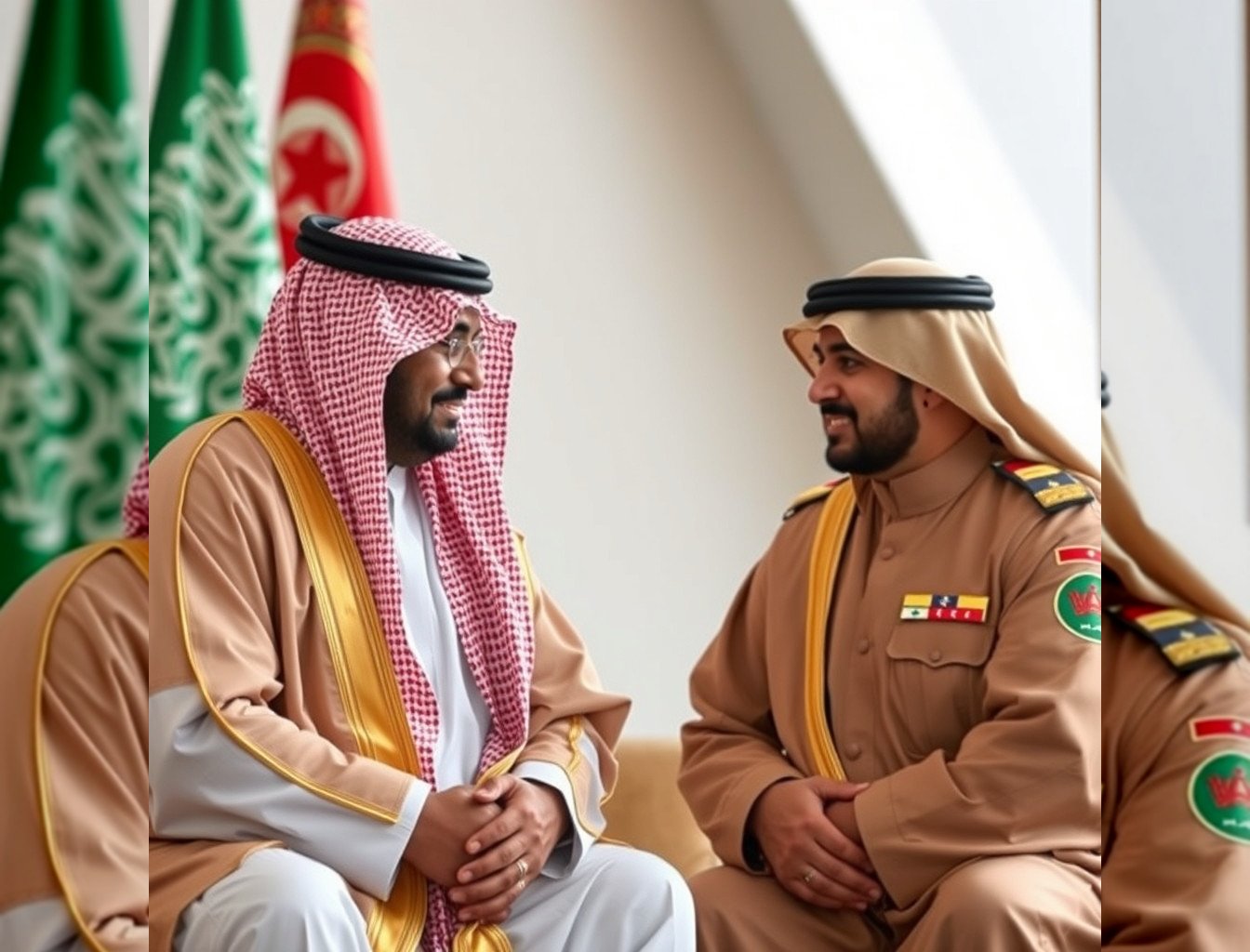
Saudi Crown Prince Mohammed bin Salman’s meeting with US Central Command chief Adm. Brad Cooper in Jeddah last week sent a clear message: the kingdom’s security concerns—especially after recent Houthi attacks—are pushing Riyadh closer to Washington for military support. The talks came as drone strikes on Saudi energy infrastructure forced the temporary shutdown of the East-West pipeline, a critical artery for the country’s oil exports. For Algerian entrepreneurs, business leaders, and the diaspora, the implications are twofold: rising energy costs could squeeze regional trade, while Saudi Arabia’s deepening US ties may reshape investment flows in North Africa.
Energy markets under pressure: what Algerian traders must watch
The East-West pipeline shutdown, triggered by drone strikes on Riyadh and Medina, is the latest sign of escalating tensions in Yemen. While Saudi officials did not disclose the duration of the shutdown, Axios reported that Crown Prince bin Salman sought military assistance from US President Donald Trump to counter Houthi advances. For Algeria, which imports refined petroleum products and relies on regional energy corridors, the disruption carries risks. The Houthis’ targeting of Saudi oil facilities—including the Abqaiq plant in 2019—has historically caused global crude price spikes. If attacks persist, Algerian importers may face higher fuel costs, directly impacting logistics, manufacturing, and consumer goods.
Algeria’s energy sector, though self-sufficient in hydrocarbons, remains vulnerable to regional instability. The country’s refineries, including the 150,000-barrel-per-day Skikda plant, could see increased demand if Saudi supply chains remain disrupted. Entrepreneurs in the automotive, agriculture, and transport sectors should monitor crude benchmarks closely. A prolonged shutdown could push diesel prices above $1.50 per liter in Algeria, raising operational costs for small businesses dependent on fuel.
Saudi-US defense ties could redirect investment—leaving North Africa in the cold?
The meeting between bin Salman and Adm. Cooper was not just about Yemen. According to middleeastmonitor.com, the two sides reviewed broader bilateral relations, including potential US military aid. For Algerian business founders, this development raises questions about Saudi Arabia’s shifting priorities. Historically, Riyadh has been a key investor in North African infrastructure, from Algeria’s Sonatrach gas deals to Morocco’s renewable energy projects. But as Saudi Arabia pivots toward US-backed security guarantees, its economic engagement with the region may become more selective.
Algerian startups and SMEs with ties to Saudi capital could face delays in funding or partnerships. The Crown Prince’s focus on countering Iran-backed groups may limit Saudi patience for non-strategic investments. Meanwhile, the Algerian diaspora—particularly in the Gulf—should prepare for potential labor market shifts. Saudi Arabia’s Vision 2030 aims to reduce foreign workforce dependency, which could tighten visa policies for North African expats in sectors like construction and hospitality.
Diaspora networks at risk as Saudi labor policies tighten
The Algerian community in Saudi Arabia, estimated at over 100,000 workers, operates in a legal gray area. Many hold short-term contracts in construction, healthcare, and domestic services. With Saudi Arabia accelerating its “Saudization” (Nitaqat) program, foreign workers—especially in low-skilled roles—face increasing pressure. The Crown Prince’s meeting with US officials may accelerate reforms to reduce reliance on migrant labor, potentially squeezing Algerian expats out of certain sectors.
For entrepreneurs in Algeria, this could mean higher recruitment costs or supply chain disruptions if Saudi labor policies restrict cross-border movement. Those running import-export businesses should diversify supply chains away from Saudi-dependent routes. The diaspora, meanwhile, may need to upskill to access higher-value roles in Saudi Arabia’s tech or renewable energy sectors, where demand for foreign expertise remains stronger.
Sources
middleeastmonitor.com
Axios
Key takeaway for entrepreneurs
Algerian business founders should brace for higher fuel costs if Saudi energy disruptions persist, while Saudi investment shifts toward US security may reduce funding for North African projects. The Algerian diaspora in Saudi Arabia faces tightening labor policies, pushing expats toward higher-skilled roles or alternative markets. Diversifying supply chains and monitoring crude prices will be critical in the coming months.
💡 Starting a business in Algeria? GlobalStart guides you step by step: procedures, real costs, company forms (SARL, EURL, SPA) and CNRC registration.