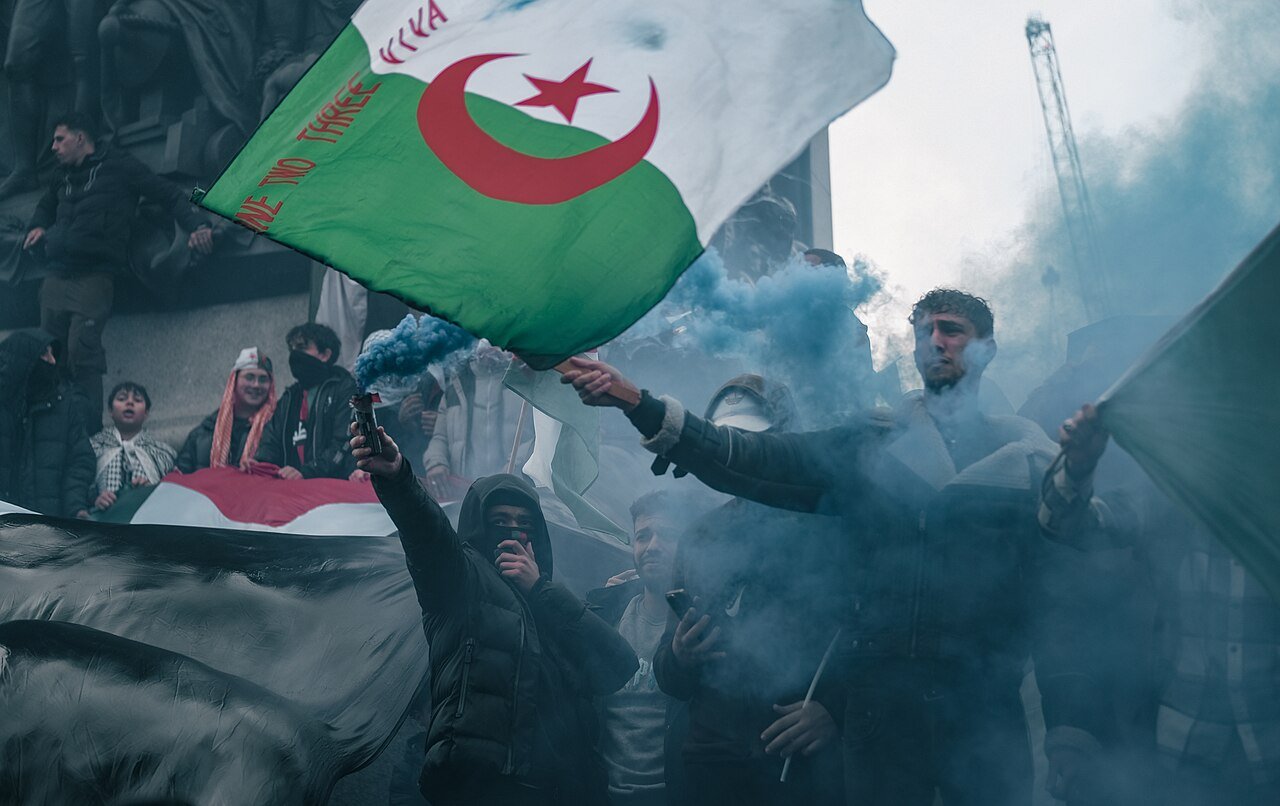
The Palestinian political stalemate over legislative elections has escalated into a high-stakes confrontation between Hamas and Fatah. The dispute over whether to postpone the November vote is not just a procedural disagreement—it is a battle over legitimacy, aid funding, and the future of Palestinian governance. For Algerian entrepreneurs watching from the sidelines, the fallout could freeze $1.5 billion in diaspora capital and derail the reconstruction boom in the Gaza Strip and West Bank.
Hamas’ Hardline Stance: Elections as a Matter of Principle
Hamas has drawn a firm line against any delay to the Palestinian Legislative Council elections. In a statement this week, spokesperson Hazem Qassem dismissed suggestions of postponement as politically motivated. He accused Palestinian Authority officials of using the election timeline to serve narrow factional interests rather than the broader Palestinian cause. Qassem insisted that the vote must proceed as scheduled, warning that any deviation would undermine public trust in the political process.
His criticism targeted senior Fatah official Jibril Rajoub, who had previously expressed skepticism about meeting the November 28 deadline. Rajoub argued that political and administrative preparations were incomplete, a claim Hamas rejected outright. For Hamas, the elections are not negotiable—they represent a rare opportunity to restore democratic legitimacy to Palestinian institutions. The group’s refusal to compromise signals its determination to force a vote, even if it means deepening the rift with Fatah.
Fatah’s Strategic Hesitation: Consensus or Control?
Fatah’s reluctance to commit to the election date reflects deeper divisions within Palestinian governance. Rajoub’s remarks highlighted the lack of consensus between Hamas and Fatah on key electoral arrangements. Without agreement on security measures, voter registration, and international oversight, the elections risk collapsing into chaos—or worse, being canceled entirely. Fatah’s stance suggests a calculation: if the vote cannot be held fairly, why risk handing Hamas a propaganda victory?
The Palestinian Authority’s hesitation also stems from practical concerns. Years of administrative neglect and international isolation have left the electoral infrastructure in disrepair. Without foreign funding and logistical support, even a delayed vote could become unmanageable. For Fatah, the question is whether to push forward with an election that may not reflect its interests—or to exploit the chaos to consolidate its own position.
The $1.5 Billion Diaspora Pot at Risk
The real casualty of this political deadlock could be the $1.5 billion in diaspora funds earmarked for Palestinian reconstruction. Donors and expatriate communities have long conditioned aid on progress toward democratic governance. If elections are postponed or canceled, remittances and investment could dry up, leaving reconstruction projects stalled. Hamas’ insistence on holding the vote is partly a bid to unlock these funds, framing the elections as a precondition for financial stability.
Algerian entrepreneurs, who have already begun investing in Palestinian reconstruction, are watching closely. The uncertainty over elections creates a legal and financial gray area—will contracts be honored if the political process collapses? Will diaspora donors redirect funds elsewhere? The risk is not just economic but reputational: if Palestinian governance remains paralyzed, foreign investors may lose confidence in the region’s long-term prospects.
Hamas’ Gambit: Using Elections as Leverage
Hamas’ refusal to back down on elections is a calculated move. By framing the vote as a non-negotiable demand, the group pressures Fatah into either compromising or facing international criticism for undermining democracy. This strategy also serves Hamas’ broader goal of positioning itself as the sole legitimate representative of Palestinian interests. If elections proceed, Hamas could emerge as the dominant political force, reshaping the balance of power in the West Bank and Gaza.
Yet the gamble carries risks. If the vote is marred by disputes or violence, Hamas could be blamed for destabilizing the process. Fatah, meanwhile, may use the chaos to argue that Hamas is unfit to govern—a narrative that could further isolate the group. The stalemate benefits no one except Israel and regional rivals who prefer a divided Palestinian leadership.
What Rajoub’s Skepticism Means for Investors
Jibril Rajoub’s public doubts about the election timeline send a clear message to foreign investors: Palestinian governance remains fragile. His comments underscore the lack of coordination between Hamas and Fatah, raising questions about whether any political agreement can be reached in time. For Algerian businesses, this uncertainty translates into higher risks—delays in reconstruction projects, legal ambiguities, and potential losses if diaspora funding evaporates.
The longer the stalemate drags on, the harder it will be to revive investor confidence. Without a clear path forward, reconstruction efforts may stall, leaving opportunities for Algerian contractors and financiers unfulfilled. The election dispute is not just a Palestinian issue—it is a regional one, with direct implications for economic stability in the Eastern Mediterranean.
Key Takeaway for Entrepreneurs
The Palestinian election crisis is more than a political squabble—it is a warning sign for investors. Algerian entrepreneurs must prepare for prolonged uncertainty, as diaspora funding and reconstruction projects hang in the balance. Without a resolution, the $1.5 billion in potential capital could vanish, leaving only instability in its wake. The lesson is clear: in Palestinian governance, political deadlock equals economic deadlock.
Sources
💡 Starting a business in Algeria? GlobalStart guides you step by step: procedures, real costs, company forms (SARL, EURL, SPA) and CNRC registration.