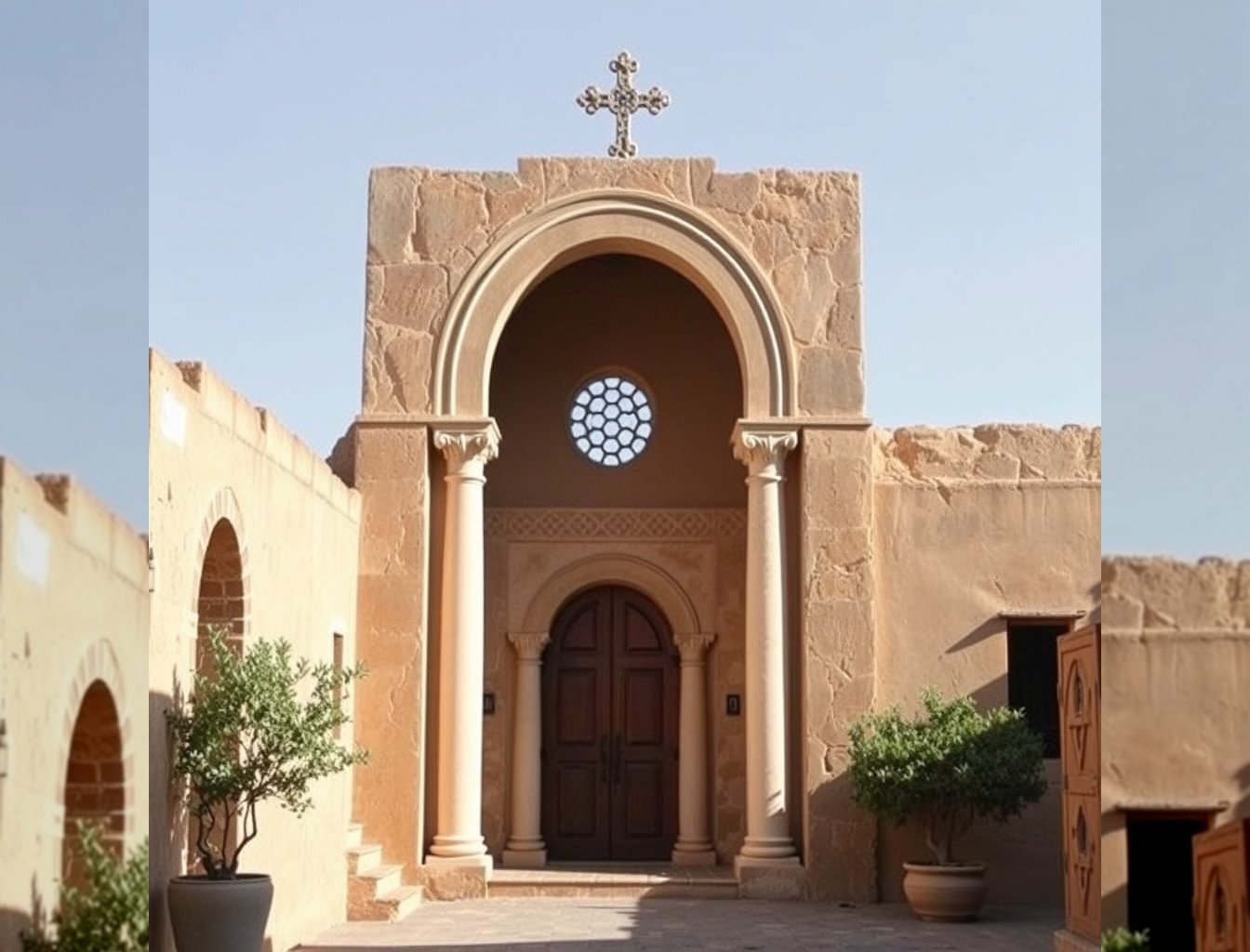
Algeria’s Minister of Culture and Arts, Malika Bendouda, has publicly endorsed the campaign to inscribe the Augustinian itineraries on UNESCO’s World Heritage List, according to APS English. Speaking in Annaba on 14 April 2026, Bendouda praised the collective effort behind the nomination, which centres on the historical and religious trails linked to Saint Augustine, the early Christian theologian born in present-day Souk Ahras.
The bid focuses on three core sites: the Basilica of Hippo in Annaba, the ruins of Thagaste in Souk Ahras, and the baptismal font in M’Daourouch. These locations trace Augustine’s life journey from his birth in 354 AD to his role as Bishop of Hippo Regius. The Algerian government has submitted a formal dossier to UNESCO, with the evaluation process expected to conclude in 2027. If successful, the designation would mark Algeria’s ninth World Heritage Site, joining landmarks such as the Casbah of Algiers and the Roman ruins of Timgad.
For Algerian entrepreneurs, the UNESCO bid presents a dual opportunity. First, the classification could unlock international funding for heritage conservation, including grants from UNESCO’s World Heritage Fund and partnerships with global cultural organisations. These funds often require local contractors for restoration work, creating demand for specialised construction firms, digital mapping start-ups, and artisanal craftsmen trained in traditional techniques. Second, the increased visibility of Annaba and Souk Ahras as cultural destinations could stimulate the hospitality sector. Hotels, guided tour operators, and souvenir producers stand to benefit from a rise in pilgrimage and heritage tourism, which already accounts for 12% of Algeria’s tourism revenue, according to the Ministry of Tourism’s 2024 report.
The initiative also holds significance for the Algerian diaspora, particularly in Europe and North America, where communities maintain strong ties to Augustine’s legacy. Diaspora-led cultural associations, such as the Saint Augustine Foundation in France, have been instrumental in promoting the nomination, organising fundraising events and awareness campaigns. A successful UNESCO listing could amplify these efforts, encouraging diaspora investment in local businesses near the sites, from cafés to boutique guesthouses. The Algerian government has previously estimated that diaspora remittances contribute $1.8 billion annually to the economy, with a portion directed toward cultural and religious projects.
Local entrepreneurs in Annaba and Souk Ahras are already positioning themselves to capitalise on the potential influx of visitors. In Annaba, the Chamber of Commerce reported a 15% increase in business registrations for tourism-related ventures in the past year, including a surge in applications for tour guide licences. Souk Ahras, historically less developed for tourism, has seen the launch of three new guesthouses since 2025, with owners citing the UNESCO bid as a key factor in their investment decisions. The regional authorities have also announced plans to upgrade infrastructure, including road improvements and the expansion of Annaba’s Rabah Bitat Airport, which handled 1.2 million passengers in 2025.
The economic ripple effects extend beyond tourism. The UNESCO bid has spurred interest in digital preservation projects, with two Algerian tech start-ups securing contracts to create virtual tours of the Augustinian sites. These projects, funded by the Ministry of Culture, aim to attract remote visitors and researchers, offering a model for other heritage sites in Algeria. Additionally, the classification could enhance Algeria’s cultural diplomacy, fostering partnerships with universities and research institutions abroad. Such collaborations often lead to exchange programmes and joint ventures, particularly in the fields of archaeology and heritage management, where Algerian professionals are increasingly sought after.
Critics, however, caution that the economic benefits of a UNESCO listing are not automatic. Algeria’s existing World Heritage Sites, such as the M’Zab Valley, have struggled with underfunding and mismanagement, limiting their potential as tourist draws. Entrepreneurs in Annaba and Souk Ahras will need to navigate bureaucratic hurdles, including securing permits for commercial activities near protected sites. The Ministry of Culture has acknowledged these challenges, stating in a recent press release that it will work with local governments to streamline regulations for businesses operating in heritage zones.
The Augustinian itineraries bid also arrives at a time when Algeria is seeking to diversify its economy beyond hydrocarbons, which still account for 90% of export revenues. The government’s 2025-2030 economic plan explicitly identifies cultural tourism as a growth sector, targeting a 20% increase in visitor numbers by 2030. For entrepreneurs, this shift presents an opportunity to develop niche offerings, such as eco-friendly lodges, artisanal food products, and immersive cultural experiences, which align with global trends in sustainable tourism.
Key takeaway for entrepreneurs
The UNESCO bid for the Augustinian itineraries could unlock funding for heritage-linked businesses and boost tourism in Annaba and Souk Ahras. Entrepreneurs should monitor infrastructure upgrades and regulatory changes, while diaspora investors may find opportunities in hospitality and digital preservation projects near the sites.
Sources
💡 Starting a business in Algeria? GlobalStart guides you step by step: procedures, real costs, company forms (SARL, EURL, SPA) and CNRC registration.