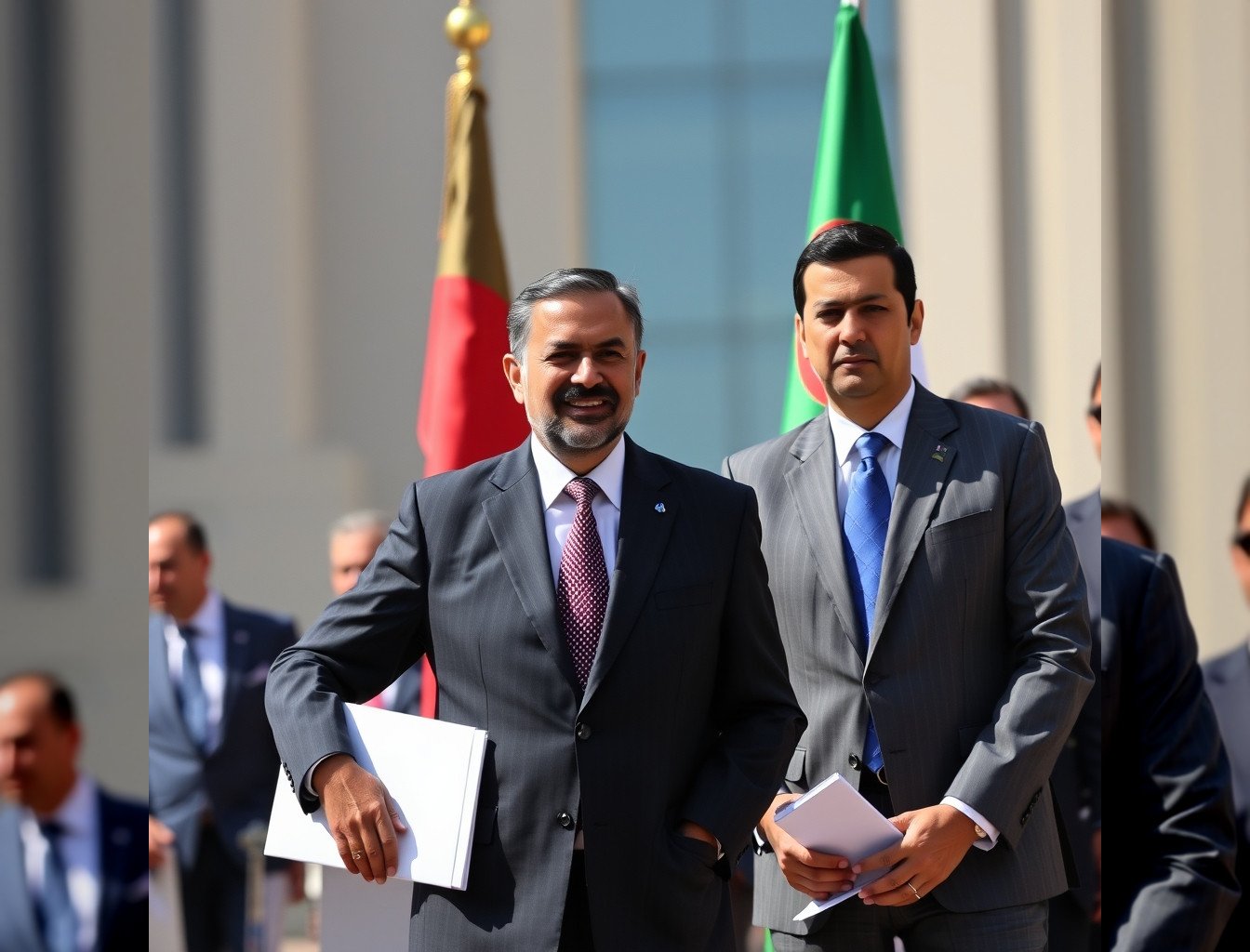
Algeria’s Foreign Minister Ahmed Attaf just turned the Arab League into a high-stakes platform for Algerian business—and the timing couldn’t be better. By securing a seat at the 166th ministerial session in Cairo, Attaf didn’t just attend a meeting. He turned regional diplomacy into a tool for unlocking trade doors that have long been closed or half-open for Algerian entrepreneurs. The move signals a shift: Algeria is no longer just a hydrocarbon exporter playing defense. It’s now positioning itself as a trade strategist, and the diaspora’s economic muscle could be its secret weapon.
Why the Arab League matters for Algerian exporters
The numbers tell the story. Algeria’s non-hydrocarbon exports to Arab countries grew by 15% in 2025, but they still lag behind neighbors like Morocco and Tunisia. The Arab League’s trade facilitation protocols—if Algeria can leverage them—could shave months off export timelines. For a small Algerian olive oil producer, that means getting products to Gulf markets before the Ramadan rush instead of after.
The diaspora’s untapped leverage
Consider the case of Algerian textile manufacturers. They supply fabrics to garment factories in Tunisia and Morocco, but shipping to Egypt or Saudi Arabia often hits bureaucratic walls. Attaf’s push for streamlined Arab League trade agreements could mean the difference between a local factory’s survival or shutdown. For entrepreneurs eyeing expansion, the diaspora isn’t just a market—it’s a shortcut.
Hydrocarbons aren’t the only game in town
This week’s meeting wasn’t just about oil. It was about sending a message: Algeria is serious about becoming a manufacturing and agricultural hub. For entrepreneurs, that means access to cheaper inputs, bigger markets, and—most importantly—predictability. No more guessing whether a shipment will get stuck at a border.
The diaspora’s role: investors, not just consumers
The challenge? Trust. Many Algerian entrepreneurs still see the diaspora as a market, not a strategic ally. But this week’s diplomacy could change that. If trade barriers fall, Algerian businesses won’t just sell to the diaspora—they’ll co-build supply chains with them.
What’s next for Algerian exporters?
The Arab League isn’t a silver bullet. But for Algerian entrepreneurs, it’s a lever. And Attaf just pulled it.
Key takeaway for entrepreneurs
Algerian businesses that export—or plan to—should treat this week’s Arab League meeting as a green light to push for regional trade deals. The diaspora’s economic power, combined with potential Arab League agreements, could slash costs and open Gulf markets faster than ever. The time to act is now: wait for official deals, and competitors will beat you to the punch.
💡 Starting a business in Algeria? GlobalStart guides you step by step: procedures, real costs, company forms (SARL, EURL, SPA) and CNRC registration.