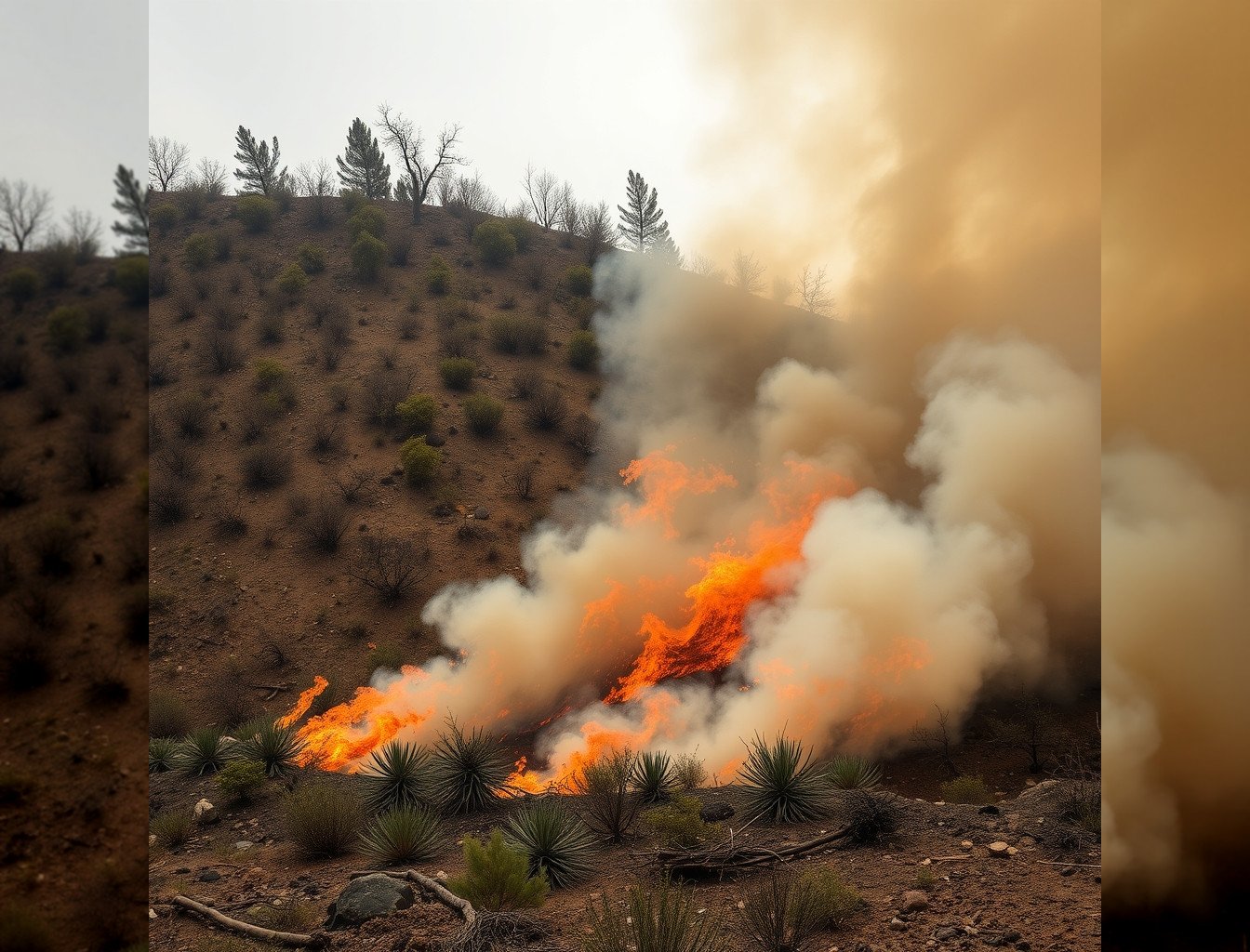
The flames have carved a new reality into Algeria’s economic and entrepreneurial landscape. This summer’s wildfires—118 of 123 contained but not forgotten—have laid bare vulnerabilities that extend far beyond scorched earth. Olive groves, once the backbone of rural livelihoods, now stand as smoldering reminders of disrupted supply chains. Urban outskirts, too, have felt the heat, with businesses in high-risk zones facing rising insurance costs and an uncertain future. For entrepreneurs, the crisis is a test: disaster relief may spur short-term demand, but the long-term scars demand resilience.
The Human Cost Behind the Flames
The fires also exposed systemic gaps. While large-scale operations like fighter jet patrols for Niger (a gesture of regional solidarity) drew headlines, the ground-level response for Algerian communities remained fragmented. Rural entrepreneurs, particularly those in olive and cereal production, faced immediate losses. Smoke damaged crops before they could be harvested, while transport routes became impassable, stranding goods and workers alike. The psychological impact on smallholders—many of whom rely on seasonal labor—cannot be quantified, but it is undeniable.
Supply Chains Burned: Who Pays the Price?
Insurance gaps further compound the crisis. Most small and medium-sized enterprises (SMEs) in high-risk zones operate without comprehensive coverage for natural disasters. The few that do have policies often face exorbitant premiums after repeated incidents. The result? A vicious cycle where only the largest agribusinesses can afford protection, widening the divide between resilient corporations and vulnerable entrepreneurs. Meanwhile, logistics firms transporting goods through fire-prone areas now factor in higher costs, passing the burden to consumers.
The ripple effects extend beyond agriculture. Tourism-dependent regions, such as those along the Mediterranean coast, saw cancellations as smoke obscured beaches and roads became hazardous. Local guesthouses and restaurants, already grappling with stagnant demand, now face the prospect of a lost peak season. The government’s disaster relief efforts—while necessary—provide only temporary relief. Without structural reforms in risk assessment and insurance accessibility, the next fire season could push more businesses to the brink.
A Diaspora Wake-Up Call
For those considering repatriation or expansion into Algeria, the fires serve as a warning. The country’s entrepreneurial ecosystem is not yet equipped to handle such frequent disruptions. Infrastructure remains vulnerable, and adaptive strategies—like diversifying crops or investing in fire-resistant technology—are still in their infancy. The diaspora’s response will be telling: will they see these challenges as obstacles, or as opportunities to pioneer climate-resilient models?
The Green Economy’s Moment
The challenge lies in execution. Algeria’s bureaucracy often moves at a glacial pace, and foreign investment in green initiatives remains limited. Yet, the pressure is mounting. International donors and climate funds are increasingly targeting countries with demonstrated resilience plans. For Algerian businesses, this could mean access to capital—but only if they can prove their operations are future-proof.
Key Takeaway for Entrepreneurs
Sources
💡 Starting a business in Algeria? GlobalStart guides you step by step: procedures, real costs, company forms (SARL, EURL, SPA) and CNRC registration.