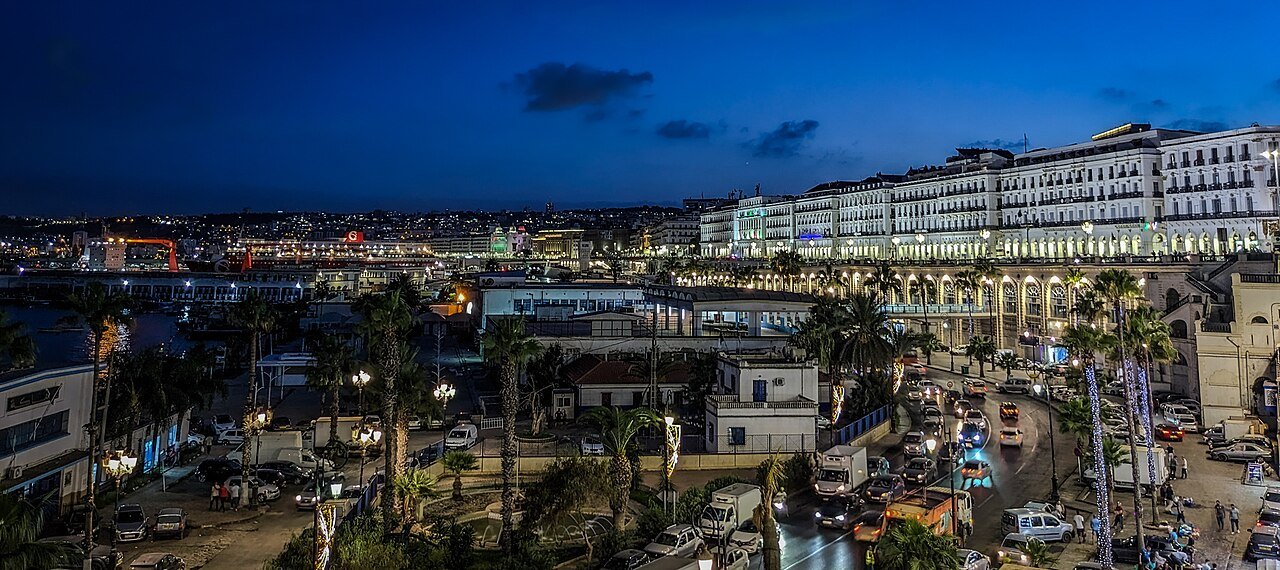
Algeria’s Cities: Megaprojects and the Digital Future
This week, Algeria’s urban agenda advanced with the inauguration of major infrastructure projects in Algiers, reinforcing the government’s push toward smart city development. The initiatives, overseen by the president, align with broader goals of reducing poverty and fostering sustainability through digital integration. Smart city programs in Algeria have historically aimed to modernize municipal services, improve connectivity, and create economic opportunities in key sectors like transportation and public administration.
The focus on Algiers reflects a strategic prioritization of the capital as a hub for innovation. Digital platforms, such as the recently launched police system for lost-document reports, demonstrate the government’s commitment to streamlining bureaucratic processes. These efforts are part of a larger trend toward digitization, which has been accelerated by the need for efficiency in public services. However, the success of these projects hinges on their ability to bridge the gap between technological adoption and practical implementation, ensuring that citizens—particularly in less urbanized regions—benefit equally.
In Oran, the construction of an AI-powered data center marks another milestone in Algeria’s digital transformation. The facility, expected to be operational by mid-2024, will serve as a critical node for data processing, cybersecurity, and research. Its development underscores the growing importance of technology in Algeria’s economic diversification strategy, particularly as the country seeks to reduce reliance on hydrocarbon exports. For businesses, this represents a significant procurement opportunity in infrastructure, training, and compliance services, with contracts likely to be awarded in the coming months.
Climate Pressures: Drought and the Cereal Crisis
Algeria’s agricultural sector faces mounting challenges from prolonged drought, pushing the country further into dependence on cereal imports. The government’s target to reduce food imports by 2024 has already been missed, as worsening climate conditions strain domestic production. The situation is exacerbated by the country’s historical vulnerability to desertification, a problem that has persisted despite decades-long efforts like the “Green Dam” project—a 1,500-kilometer afforestation initiative launched in 1971.
The drought’s impact extends beyond food security, affecting regional trade and logistics. Cereal imports, primarily from Europe and the Black Sea region, require robust storage and distribution networks. Gaps in these systems create bottlenecks for traders, particularly those operating in North Africa’s interconnected markets. Algeria’s stance on agricultural cooperation, including recent knowledge-sharing initiatives in Mauritania, signals an attempt to mitigate risks through regional collaboration. Yet, without immediate investments in irrigation and storage infrastructure, the country’s food security will remain precarious.
Constitutional Shifts and Cultural Reforms
The ratification of constitutional reforms recognizing Berber identity represents a significant, if cautious, step toward addressing long-standing demands for cultural and linguistic rights. While the changes have been met with optimism among Berber communities, their practical implementation remains uncertain. The reforms could expand opportunities for localization services in public administration, education technology, and media—sectors where demand for Tamazight-language content may grow.
Beyond language, Algeria’s cultural output continues to reflect its rich heritage. The recent exhibition of artist Latifa Boulfoul’s work in Algiers, alongside the revival of Tuareg women’s musical traditions, highlights the country’s efforts to preserve and promote its artistic legacy. These initiatives contribute to a broader narrative of cultural resilience, even as economic and political challenges dominate public discourse.
Science, Space, and Cybersecurity on the Rise
Algeria’s scientific achievements this week included the discovery of a 1-billion-year-old Mars meteorite, a find that has drawn global attention for its potential to reshape understanding of planetary evolution. The meteorite’s significance extends beyond academia, positioning Algeria as a key player in space research and geology. Meanwhile, the launch of China’s AlSat-3A satellite for Algerian Earth observation underscores the country’s growing collaboration in satellite technology, a field critical for monitoring climate change and resource management.
On the cybersecurity front, the adoption of a national strategy for 2025–2029 signals Algeria’s recognition of digital threats as a priority. The strategy will likely drive demand for specialized training programs and compliance services, creating new business avenues for local and international firms. The government’s push for digital security aligns with broader efforts to modernize infrastructure, though the effectiveness of these measures will depend on sustained investment and public-private partnerships.
Regional Tensions and Diplomatic Realities
Algeria’s stance on Western Sahara remains firm ahead of upcoming UN talks, with the government reiterating its support for the Sahrawi Arab Democratic Republic (SADR). The conflict’s persistence complicates Algeria’s regional diplomacy, particularly in light of Morocco’s autonomy plan, which has gained traction in international forums. The selective silence observed in Algeria’s response to recent geopolitical events—such as the Iran attack—reflects a calculated approach to avoiding escalation while maintaining strategic alliances.
Key Takeaway for Entrepreneurs
The AI data center in Oran and the national cybersecurity strategy present clear procurement opportunities in infrastructure, training, and compliance services, with contracts expected by mid-2024. Meanwhile, the drought-driven surge in cereal imports exposes gaps in logistics and storage that regional traders can address. Finally, the Berber language reforms may create demand for localization services in public administration and education technology, offering niche but growing market potential.
Sources
- The Borgen Project
- Al Jazeera
- BBC
- We are Tech
- EL PAÍS English
- Reuters
💡 Starting a business in Algeria? GlobalStart guides you step by step: procedures, real costs, company forms (SARL, EURL, SPA) and CNRC registration.