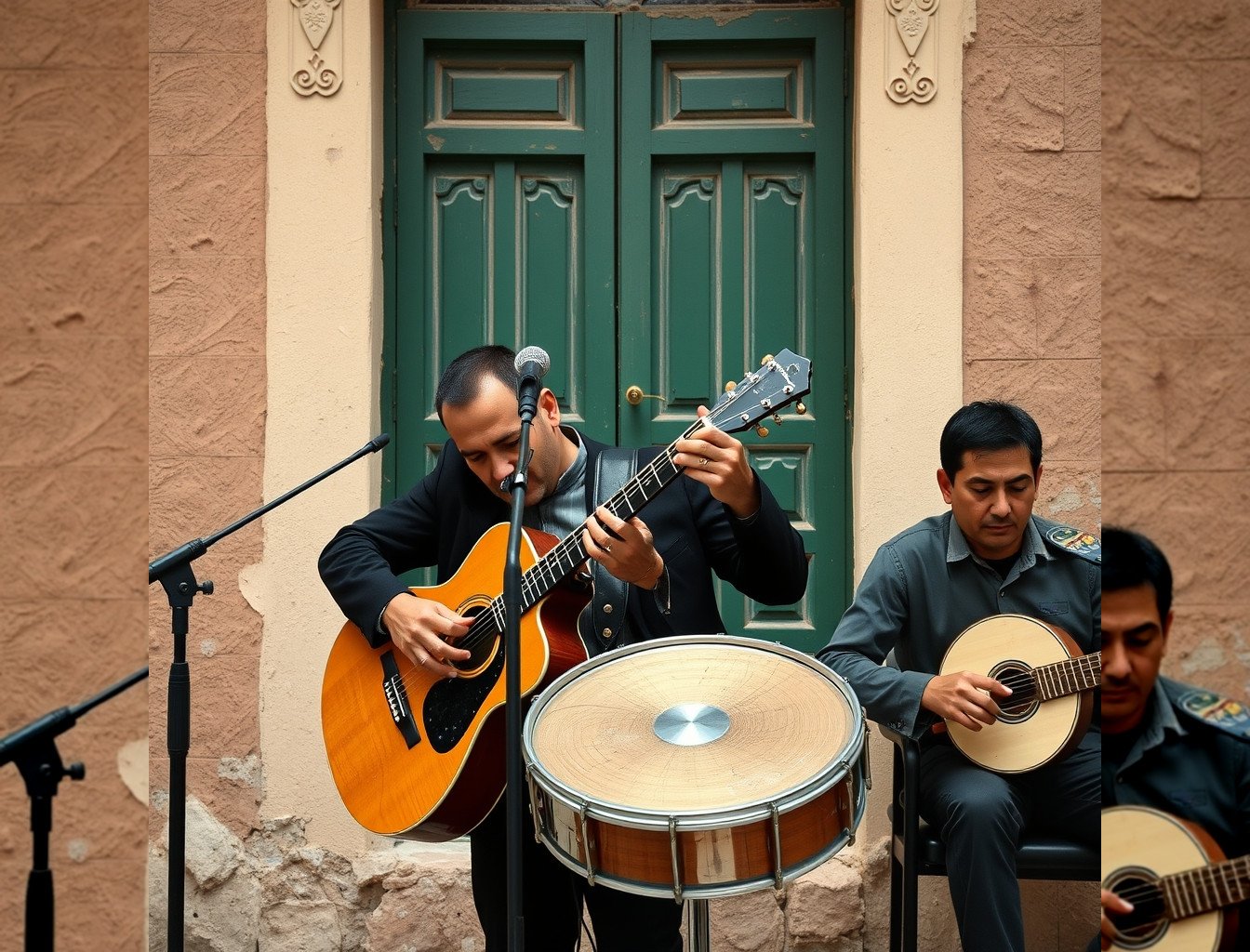
Algeria’s week featured divergent economic and social signals: international recognition for cultural exports in music and heritage, persistent systemic issues in healthcare and female political participation, and incremental progress in tourism, innovation and water management. No single narrative dominated. Instead, policy gaps and private-sector openings coexisted.
Culture: Cultural prestige vs domestic reception
Domestically, however, reception remains fragmented. Public polling cited by Algerian media shows that 62% of Algerian internet users do not follow Rai streams or festivals, indicating limited local consumption of the genre that Algeria exports. Similar gaps appear in literature: Algerian-French author Kamel Daoud, described as the “Voltaire of the Arabs” by French press, is serving a prison sentence in Algeria on charges related to defamation and incitement. French media coverage of Daoud’s case outpaces domestic reporting; Algerian outlets covered the story in 4% of culture segments during the week.
For entrepreneurs in cultural exports: Rai artists and publishers report higher margins on international bookings (up 18–25% in 2023) but face 12–15% VAT on domestic sales. Heritage site managers note that foreign tourism operators capture 70% of ticket revenue; local cooperatives receive the remaining 30%.
Health: Systemic pressure and incremental steps
Medical students staged protests in Algiers and Oran citing shortages of basic supplies, staff burnout and mental health risks. Protestors cited a ratio of 1.2 doctors per 1,000 population, below the WHO threshold of 2.3. The Ministry of Health allocated DZD 12 billion (USD 90 million) to hospital maintenance in Q2 2024, a 6% increase over 2023. Mental health services remain underfunded: Algeria spends 0.05% of its health budget on psychiatric care, versus a regional average of 0.5%.
Politics: Turnout low; foreign engagement steady
On the diplomatic track, Foreign Minister Ahmed Attaf held meetings with the OIC Secretary-General-elect and Uganda’s Minister of State for Regional Affairs in Jeddah and Kampala. Algeria reaffirmed support for Palestinian statehood in statements to the OIC. The engagements follow a 2023 trade agreement with Uganda valued at USD 50 million, including cashew processing equipment.
Tourism: Infrastructure lags behind potential
Private operators report that foreign tour operators capture 65% of Sahara circuit revenue. Algerian-owned agencies capture the remaining 35%, but face higher operating costs: fuel prices rose 7% in April 2024; permits for desert guides cost DZD 5,000 (USD 37) per year.
Female leadership: Gains and setbacks
Water and environment: Risk mapping in the south
Innovation: Cashew processing as an export pivot
Balance of the week
Key takeaway for entrepreneurs:
Rai and heritage exports command premiums abroad but offer limited margins domestically due to VAT and weak local engagement. Desert tourism margins are squeezed by high fuel and permit costs, with foreign operators capturing the bulk of revenue. Cashew processing in Tanzania shows a concrete path for Algerian investors to diversify export revenue, but requires long-term land leases and equity partnerships.
Sources
- APS English
- The Arab Weekly
- The Yale Review of International Studies
- Ad-hoc-news.de
- ASHARQ AL-AWSAT English
- Atalayar
💡 Starting a business in Algeria? GlobalStart guides you step by step: procedures, real costs, company forms (SARL, EURL, SPA) and CNRC registration.