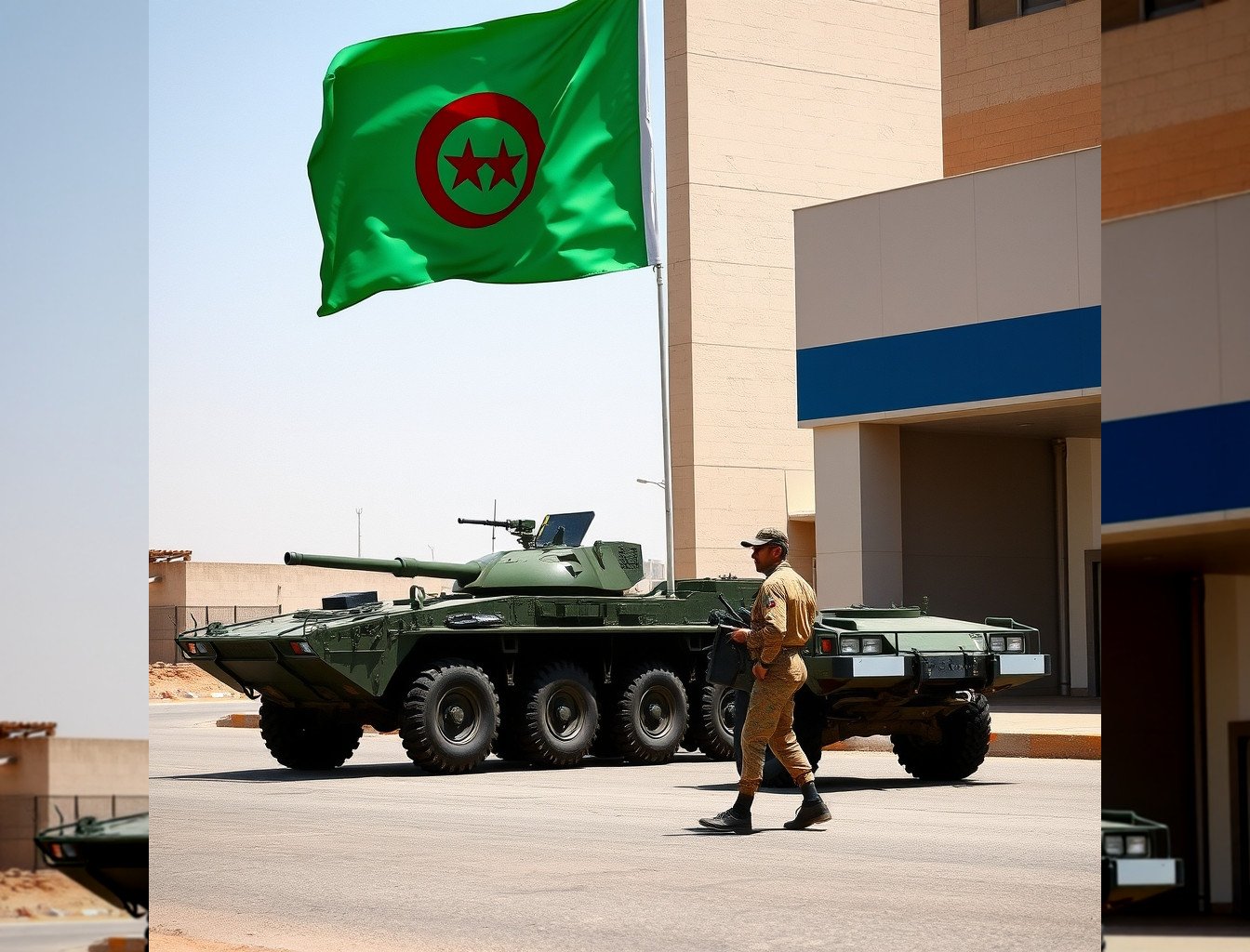
1. Military Expansion Outpaces Civil Spending
Contrast with wildfire crisis: Algeria’s 2023 wildfires burned 30,000 hectares, yet the country lacks dedicated aerial firefighting assets. Military hardware dominates 70% of defense procurement, leaving civil infrastructure underfunded.
Impact on entrepreneurs: Defense contracts remain closed to private sector participation, but logistics and maintenance for military hardware create niche opportunities in specialized engineering and IT support.
2. France Tensions Reshape Diaspora and Trade
Diaspora shift: A 2023 report shows 1.8 million Algerians in France, but 30% now seek dual citizenship—up from 15% in 2020—due to restricted labor mobility. Anti-French sentiment in sports (e.g., Messi’s World Cup goals blamed on a “Jewish lobby”) reflects politicized business risks for Franco-Algerian ventures.
Key data for entrepreneurs:
– French-Algerian trade hit €12.5 billion in 2023, but 35% of deals face delays due to regulatory hurdles.
– Diaspora remittances to Algeria reached $1.2 billion in 2023, but bank transfer fees (3-5%) discourage large-scale investments.
3. AI and Russia Partnerships Signal Tech Shift
Russian leverage: Algeria’s AI deal follows $3.5 billion in Russian arms purchases in 2023, raising concerns over tech dependency. Meanwhile, English lessons in primary schools (piloted in 500 schools) aim to boost STEM exports, but university enrollment in computer science remains below 5% of graduates.
Business angle:
– AI startups must navigate state-backed Russian partnerships, limiting Western investment.
– English proficiency could open offshoring opportunities for IT services, but labor laws restrict foreign hiring.
4. Currency Crunch Forces Economic Adjustments
Government response:
– Dinar protection measures include capital controls on $5,000+ transactions.
– Sub-Saharan trade surges: Algeria’s new security bloc (with Libya, Mali, Niger, Chad) could divert 15% of trade from Europe to Africa, benefiting local logistics firms.
Entrepreneur risks:
– Dollar shortages delay import payments (e.g., machine tools face 6-month lead times).
– Africa trade growth favors trucking and warehousing firms near borders (e.g., Tindouf, Béchar).
5. Youth and Women in Focus—But Bureaucracy Limits Impact
Cultural shifts:
– Wildfire volunteer centers (e.g., Jijel’s new hub) aim to train 5,000 youth in emergency response—but private sector hiring in civil protection is rare.
– Document forgery crackdowns (e.g., arrest of a “visa specialist”) tighten business licensing, increasing corruption risks for SMEs.
Opportunities:
– Green energy startups (solar, wind) get subsidized loans, but red tape adds 45 days to permits.
– Women-led businesses access $30 million in grants, but bank loans require male guarantors.
6. Security Bloc vs. ECOWAS—Who Wins Trade?
Sahel focus:
– Niger’s coup accelerated Algerian military aid, but private sector access to Sahel markets is limited to state-approved contracts.
– Libya’s oil exports (via Algeria’s ports) bypassed EU sanctions, creating smuggling risks for importers.
Business implications:
– Sahel logistics firms (e.g., Algerian trucking to Niger) see 30% revenue growth but face military escorts and fuel shortages.
– ECOWAS trade barriers persist—Algerian exporters pay 25% tariffs on textiles and electronics to West Africa.
Weekly Highlights Summary
Key takeaway for entrepreneurs
Algeria’s military expansion and currency crisis create niche opportunities in logistics, AI maintenance, and green energy—but bureaucracy, trade barriers, and political risks require local partnerships and dollar hedging. Diaspora networks remain the most reliable funding source, while African trade routes offer high-risk, high-reward supply chains. Startups must navigate state contracts to access defense, tech, and infrastructure sectors.
Sources
- APS English
- AP News
- World Bank Group
- The Arab Weekly
- Morocco World News
- The Jerusalem Post
💡 Starting a business in Algeria? GlobalStart guides you step by step: procedures, real costs, company forms (SARL, EURL, SPA) and CNRC registration.