A $1 billion energy shock hits Algeria’s trade balance
Algeria’s energy trade deficit has ballooned by 29% in mid-2026, reaching 8.27 billion dinars ($2.2 billion at current exchange rates), according to the National Observatory of Energy and Mines. The surge—driven by soaring oil prices, a weaker dinar, and rising import costs—marks the steepest increase in years, threatening to squeeze corporate margins and force businesses to rethink supply chains.
The deficit reflects a 45% jump in energy export revenues alongside a 32% rise in imports, as global crude prices climbed 12.4% year-on-year due to Middle East tensions. Meanwhile, the dinar’s 2% depreciation against the dollar has inflated the cost of imported fuels, a critical input for industries from manufacturing to agriculture.
For Algerian entrepreneurs, the news is a double-edged sword. On one hand, higher energy revenues boost state coffers, potentially easing credit conditions. On the other, businesses—especially SMEs—face rising operational costs, from fuel for logistics to electricity for production. The Observatoire National de l’Énergie et des Mines warns that without intervention, the trend will worsen inflation and erode competitiveness.
How the diaspora can turn the crisis into opportunity
Algerian exporters and diaspora-owned firms have a chance to capitalize on the energy crunch by pivoting to lower-cost, domestically produced alternatives. With Algeria’s industrial sector struggling under high energy prices, local manufacturers—particularly in food processing, textiles, and pharmaceuticals—could gain an edge by reducing reliance on imported inputs.
The diaspora, meanwhile, can leverage regional trade agreements to offset domestic shortages. For instance, Morocco’s pharmaceutical and agro-industrial sectors have expanded rapidly, offering Algerian importers a more stable supply chain than Europe or the Gulf. Similarly, Tunisian textile and leather goods exporters—benefiting from the Arab Free Trade Zone (GAFTA)—could become key partners for Algerian businesses seeking to diversify away from volatile global markets.
Yet the risks remain. Bureaucratic hurdles—such as complex customs procedures and certificate-of-origin requirements—have long stifled Algerian exporters’ ability to tap into GAFTA’s tariff-free access to 400 million Arab consumers. As Tunisia’s Chamber of Commerce warns, SMEs must act fast to navigate these rules or risk being left behind by more agile competitors.
SONATRACH’s dilemma: higher revenues, but at what cost?
State oil giant SONATRACH is the linchpin of Algeria’s energy strategy, but its export-driven model is under pressure. While the company’s 45% revenue growth from energy sales is a boon for the treasury, it comes with hidden costs: infrastructure strain, currency volatility, and geopolitical risks from Red Sea disruptions.
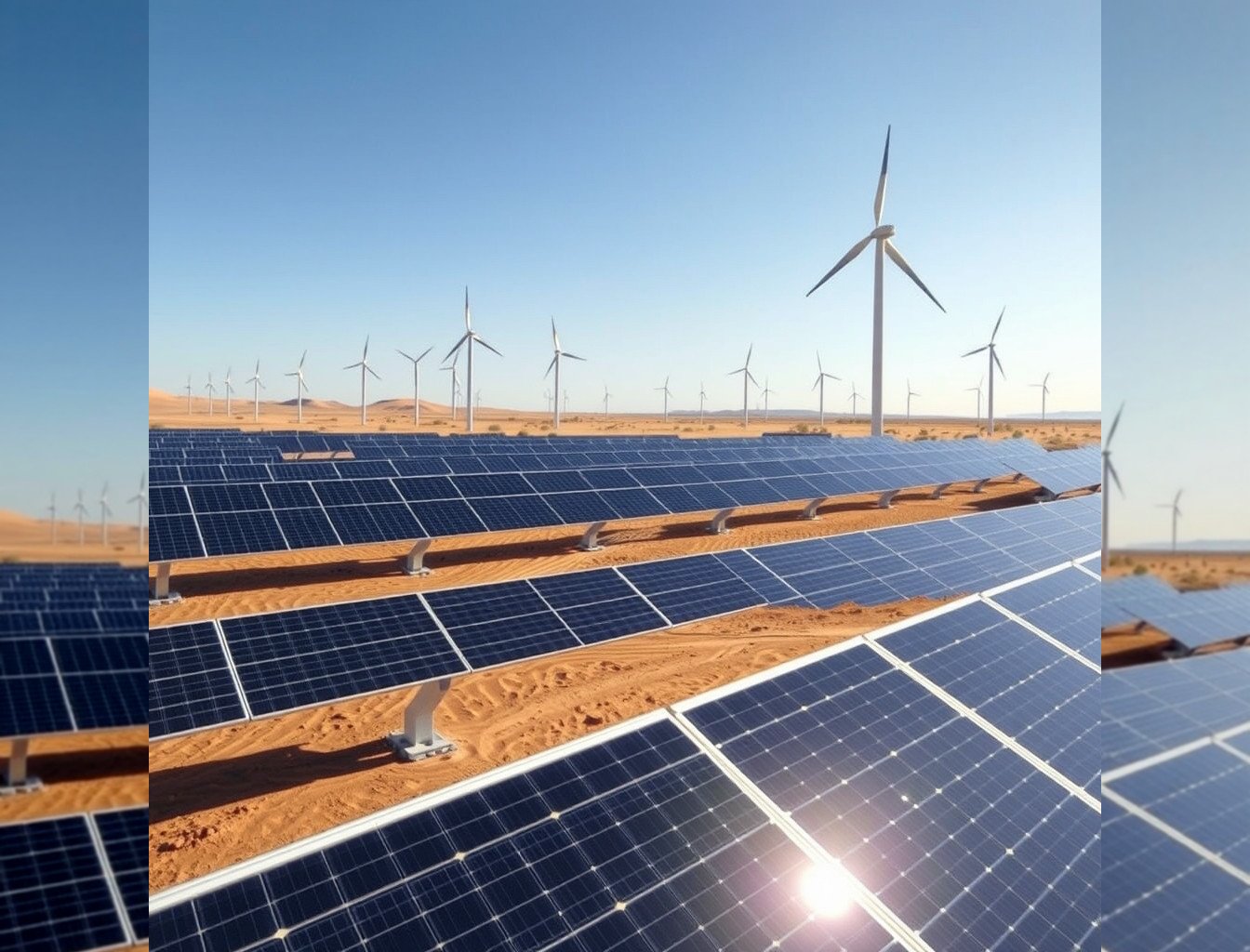
For private-sector players, the challenge is clear: hedge against energy shocks. Firms in energy-intensive sectors—such as cement, chemicals, and steel—must explore long-term contracts, renewable energy partnerships, or efficiency upgrades to insulate themselves. Meanwhile, diaspora investors with ties to European or African markets could diversify portfolios by funding local renewable projects, tapping into Algeria’s solar and wind potential to reduce import dependency.
The National Energy Observatory’s data also reveals a structural weakness: Algeria’s energy trade remains overly dependent on hydrocarbons, leaving it vulnerable to price swings and transit risks. As Djibouti’s ports face Houthi threats and Lebanon’s $27 billion reconstruction bill diverts Arab investment, Algerian businesses must future-proof supply chains—whether through regional partnerships or technological adaptation.
Sources
Source: africanmanager.com
Source: africanmanager.com
Source: theafricareport.com
Source: middleeastmonitor.com
Key takeaway for entrepreneurs
Algerian businesses must act now to mitigate energy costs by securing stable supply chains, exploring regional trade deals, and investing in energy efficiency. The diaspora can play a pivotal role by connecting local firms to global markets—but only if bureaucratic barriers are streamlined. With energy prices set to remain volatile, agility and diversification will separate the winners from the losers.
Sources
💡 Starting a business in Algeria? GlobalStart guides you step by step: procedures, real costs, company forms (SARL, EURL, SPA) and CNRC registration.