Algeria’s AI push with Russia: funding, universities and North Africa’s lead
This follows Algeria’s 2022 launch of Algeria AI, a national strategy targeting $1 billion in AI-related investments by 2025. The country now ranks as North Africa’s top AI hub, ahead of Morocco and Tunisia, per a 2023 McKinsey report citing 12 active AI startups in Algiers alone.
For entrepreneurs:
– Funding: Russian-Algerian joint ventures could unlock $50–100 million in AI grants for local firms, prioritizing healthcare and energy sectors.
– Talent: Algerian universities (e.g., USTHB, USTO) are partnering with Russian tech institutes, creating pipelines for AI engineers. Salaries for mid-level AI specialists in Algeria now range $800–1,500/month, up 30% since 2022.
– Diaspora leverage: Algerian expats in France, Canada, and the UAE with AI backgrounds may return under new visa incentives for tech workers.
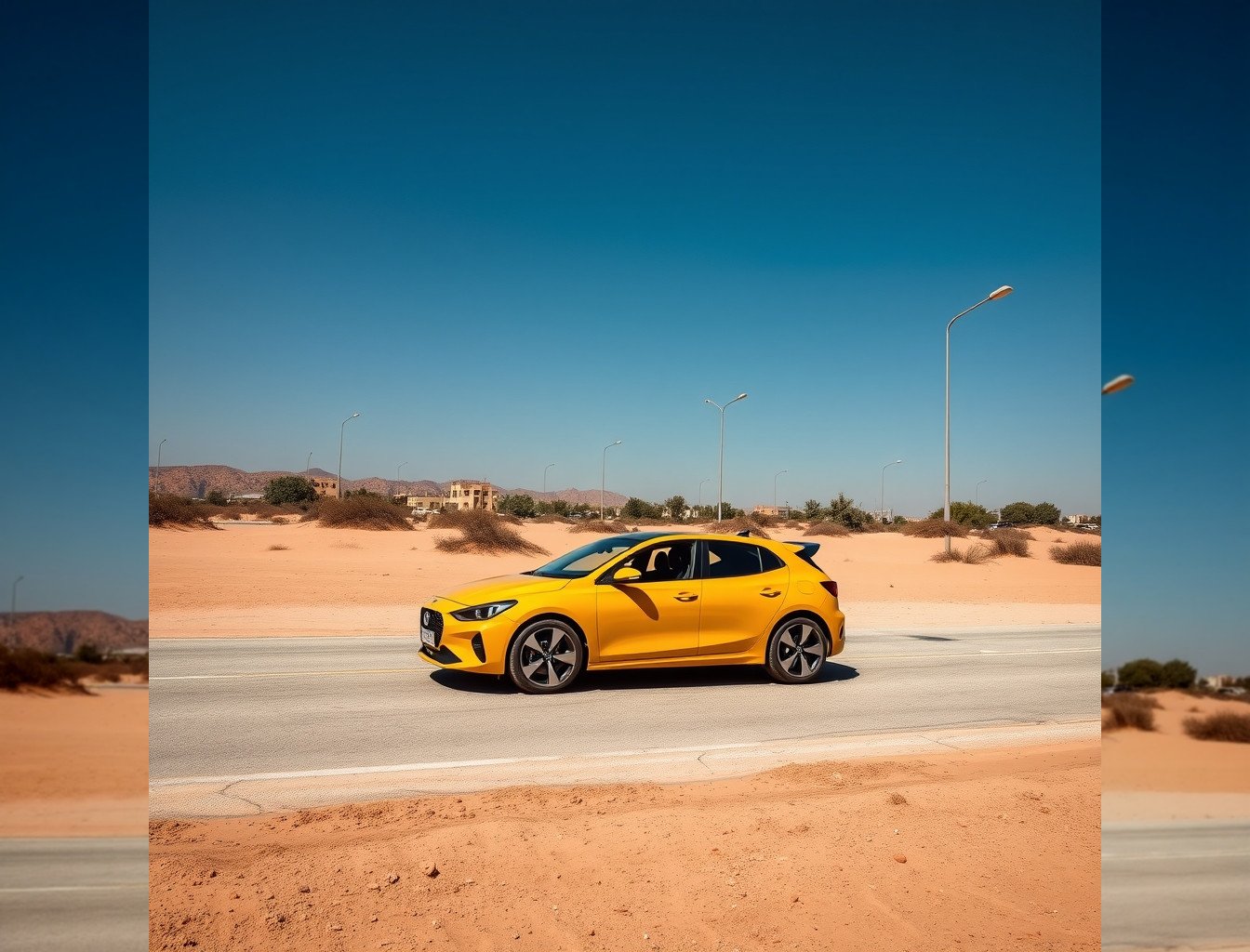
Automotive revival: Opel engines, DRB-Hicom plants and local supply chains
Separately, Malaysia’s DRB-Hicom is evaluating a $300 million vehicle assembly plant in Annaba, with production slated for 2025. This follows Algeria’s 2023 automotive law, offering 10-year tax exemptions for foreign investors in local manufacturing.
For entrepreneurs:
– Supply chain opportunities: Opel’s project requires $80 million in local supplier contracts for components (e.g., wiring harnesses, sensors). Small firms with ISO 9001 certification stand to win tenders.
– Labor costs: Skilled automotive workers earn $400–700/month, 40% below EU levels. DRB-Hicom’s plant could hire 1,200 workers by 2026.
– Diaspora role: Algerian engineers in Germany and France (Opel’s core markets) may facilitate tech transfers or joint ventures.
Healthcare and political signals: Bouteflika’s appearance and long-term stability
Algeria’s public healthcare spending hit $4.2 billion in 2023 (1.8% of GDP), per World Bank data. Private clinics, however, are growing at 12% annually, driven by $1.5 billion in foreign investment since 2020.
For entrepreneurs:
– Private healthcare gap: 60% of Algerians use private services for diagnostics, creating demand for medical equipment imports (e.g., MRI machines, costing $300,000–$600,000 each).
– Diaspora investments: Algerian doctors in France and the UK are returning to set up clinics, often with €500,000–€1 million in capital.
– Regulatory hurdles: New 2024 healthcare law requires 51% local ownership for foreign investors in private hospitals.
Geopolitics and business risks: Morocco rivalry and Spain’s silent Sahara stance
The dispute centers on gas pipelines (Algeria supplies Spain with 20% of its gas) and automotive trade, where Morocco’s Renault plant outproduces Algeria’s Sofrane by 500,000 vehicles/year.
For entrepreneurs:
– Trade barriers: Morocco’s 2023 tariffs on Algerian citrus exports (a $100 million/year market) may expand to other sectors.
– Energy arbitrage: Algerian gas firms (e.g., Sonatrach) could face EU pressure to reduce reliance on Russian gas, opening opportunities for LNG importers.
– Diaspora split: Algerian business networks in Spain and France are divided on engagement with Morocco, complicating joint ventures.
Cities and soft power: Pope Leo XIV’s visit and religious tourism
Annaba’s hotel occupancy rose 25% in 2023, with €30 million invested in new lodging. Nearby Skikda saw a 15% rise in medical tourism after a French-Algerian cancer treatment center opened.
For entrepreneurs:
– Tourism niches: Religious tourism in Annaba could generate $50 million/year by 2025 if visa facilitation improves.
– Medical tourism: Skikda’s center offers 30% lower costs than French hospitals for oncology treatments, targeting Gulf and African patients.
– Diaspora spending: Algerian expats in Europe contribute $1.2 billion/year to tourism-related remittances.
Weekly balance: AI funding, automotive bets, and geopolitical friction
Key takeaway for entrepreneurs:
Algeria’s AI funding, automotive FDI, and healthcare privatization create concrete opportunities—but geopolitical risks and local ownership rules require precise market entry strategies. Diaspora networks remain critical for talent and capital, while supply chain contracts in automotive and medical sectors offer the fastest revenue paths. Short-term bets should focus on Opel’s engine suppliers and private healthcare equipment imports; long-term plays lie in AI joint ventures and religious tourism infrastructure.
Sources
- Trendsnafrica
- AUTOJOSH
- AP News
- vijesti.me
- Yabiladi.com
- Daily Monitor
💡 Starting a business in Algeria? GlobalStart guides you step by step: procedures, real costs, company forms (SARL, EURL, SPA) and CNRC registration.