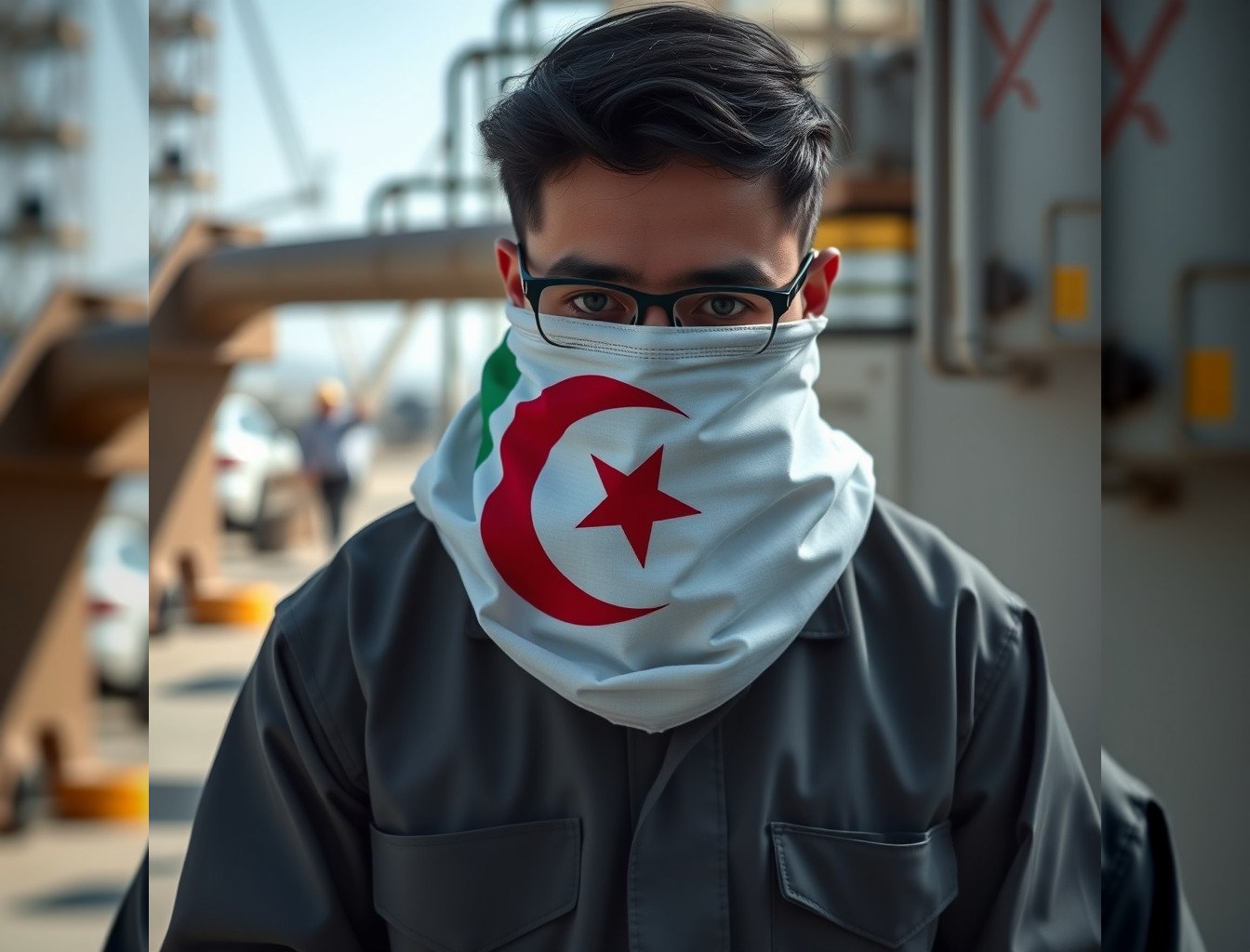
A 17.2% Share That Reshapes Algeria’s Energy Leverage
This rise isn’t accidental. Algeria’s market share has grown steadily—from 12.9% in 2024 to 15.6% in 2025—as its refining capacity and export infrastructure strengthened. With hydrocarbons accounting for 90% of its exports and 65% of state revenues, the country’s dominance in naphtha reflects its strategic positioning in global energy trade.
For Sonatrach, the national hydrocarbons giant, this is a validation of its expansion efforts. The company operates five refining complexes, including the Skikda facility, with a combined capacity exceeding 30 million tons annually. As demand for naphtha—a critical feedstock for Korea’s petrochemical industry—continues to rise, Algeria’s ability to meet it could translate into longer-term contracts and higher pricing power.
Why This Matters for Algerian Entrepreneurs and Exporters
1. Supply Chain Synergies
Naphtha is a precursor for plastics, fertilizers, and synthetic rubber—sectors where Algeria has untapped potential. Entrepreneurs in petrochemicals, logistics, and manufacturing can now explore partnerships with Korean firms, leveraging Algeria’s refining capacity to reduce costs. For example, a Skikda-based refinery could supply naphtha to Korean petrochemical plants while also exporting derived products like polyethylene, which sells for $1,200–$1,500 per ton on global markets.
2. Diversification Beyond Oil
While hydrocarbons dominate Algeria’s economy, the naphtha trade highlights how non-oil exports can gain traction. The Embassy of the Republic of Korea in Algeria has already noted increased interest in Algerian agricultural and industrial goods as a counterbalance to energy dependence. Entrepreneurs in food processing, textiles, and machinery could use this momentum to piggyback on energy-related trade missions to Korea.
3. Currency and Investment Inflows
A stronger naphtha trade means more dirhams in circulation, easing pressure on imports and supporting local demand. For the Algerian diaspora, particularly those in Korea, the U.S., and Europe, this could open doors for joint ventures in energy-linked sectors. Korean firms may seek Algerian partners to optimize naphtha logistics, creating roles for diaspora professionals in supply chain management, trade finance, and technical consulting.
A Test for Sonatrach’s Global Ambitions
The challenge for Sonatrach is to convert this short-term gain into long-term partnerships. Recently, the company has signaled interest in expanding LNG exports, but naphtha presents a lower-risk entry point for Asian markets. If Sonatrach can secure multi-year contracts with Korean buyers, it could reduce exposure to volatile oil prices while boosting Algeria’s non-oil export revenue.
What This Means for the Algerian Diaspora
– Trade Facilitation Roles: Diaspora members with logistics or trade experience can help bridge gaps between Algerian refiners and Korean importers, given Korea’s complex regulatory environment for petrochemical imports.
– Investment in Downstream Industries: With naphtha flowing steadily, Algerian-Korean joint ventures in plastics or chemicals could emerge, particularly in free zones like Skikda or Arzew.
– Knowledge Transfer: Many Algerian engineers and chemists in Korea could leverage this trend to position themselves as consultants for Algerian firms eyeing Korean markets.
The diaspora’s role isn’t just about trade—it’s about shaping Algeria’s economic narrative. As Korean firms grow more familiar with Algerian naphtha, they may also look to Algerian labor, technology, or agri-food exports, creating a multi-sector ripple effect.
Sources
echoroukonline.com
Korea International Trade Association (KITA)
Embassy of the Republic of Korea in Algeria
Key takeaway for entrepreneurs
Algeria’s naphtha dominance proves that energy exports can drive secondary business opportunities—from petrochemical manufacturing to diaspora-led trade. Entrepreneurs should watch for Korean petrochemical firms seeking Algerian supply partnerships and explore how to add value beyond raw materials. For the diaspora, this shift creates direct pathways into Korean supply chains, whether in logistics, consulting, or joint ventures. The next step? Turn naphtha into a gateway for broader Algerian-Korean economic ties.
💡 Starting a business in Algeria? GlobalStart guides you step by step: procedures, real costs, company forms (SARL, EURL, SPA) and CNRC registration.