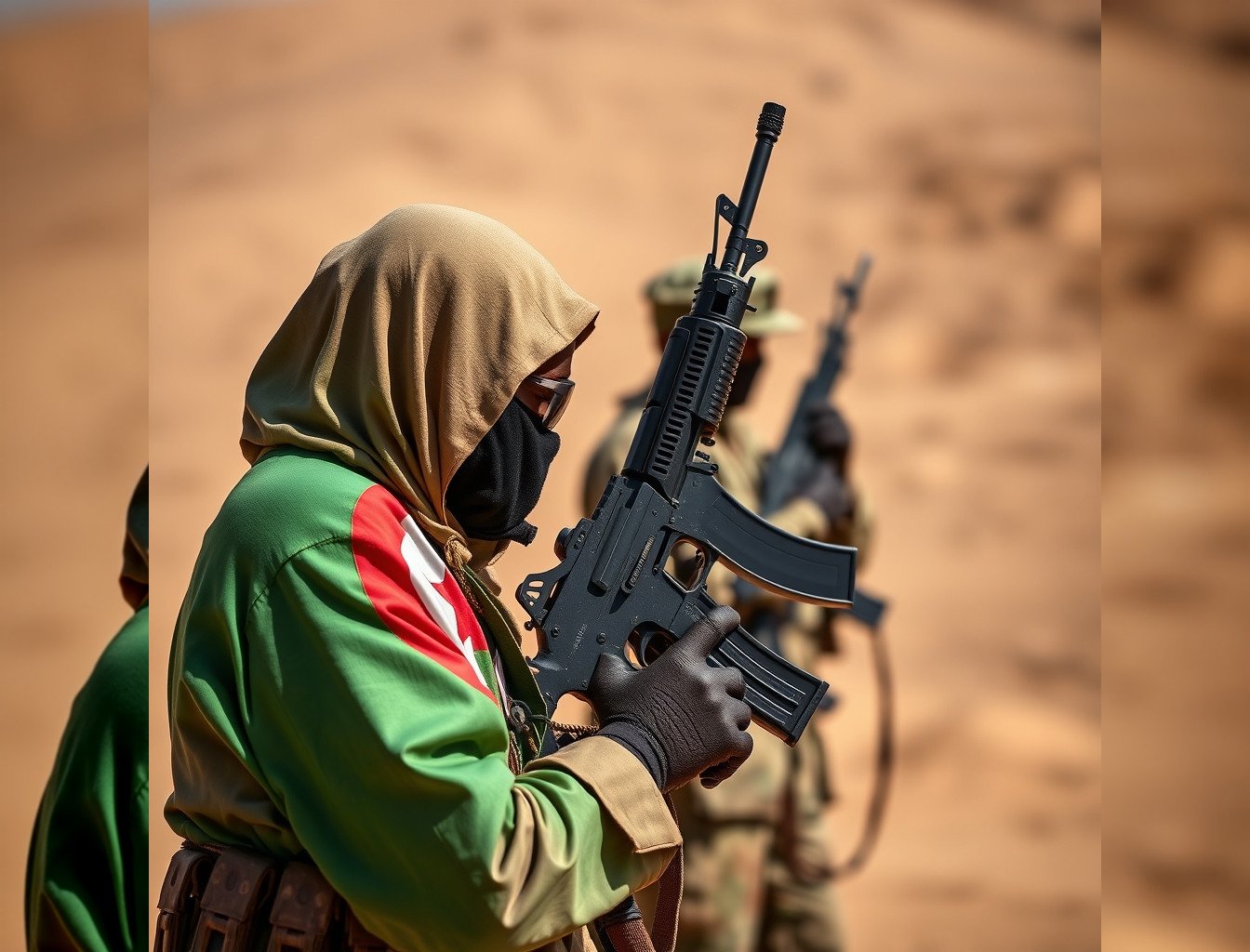
Algeria has delivered four military helicopters to Niger, deepening defense ties in the volatile Sahel region. The move signals Algiers’ strategic pivot toward the US-backed bloc of Sahel states, countering Russian influence while positioning itself as the region’s security guarantor.
According to Business Insider Africa, the helicopters were handed over this week, expanding Algerian military support to Niger after earlier deliveries of armored vehicles and training programs. The equipment is part of a broader security cooperation framework negotiated under President Abdelmadjid Tebboune, who has prioritized Sahel stability as a pillar of Algerian foreign policy since 2024.
The delivery comes as Algeria recalibrates its regional alliances. In 2025, Algiers shifted military cooperation from Russia to the US, a response to growing Wagner Group presence in neighboring Mali and Burkina Faso. Washington has since resumed defense sales to Algeria, including advanced radar systems and logistical support. Analysts say the helicopter transfer to Niger reinforces this realignment, giving Algiers leverage in regional counterterrorism efforts.
“This is a calculated move to secure Algerian interests in the Sahel,” said a defense analyst quoted by Atalayar. “Niger’s junta has distanced itself from Russia, creating an opening for Algiers to expand influence.” The partnership also aligns with Algeria’s leadership in the African Union’s Nouakchott Process, which coordinates anti-terror operations across the Sahel-Sahara belt.
For Algerian entrepreneurs, the military cooperation carries economic implications. Defense contracts with Niger could boost orders for local firms supplying spare parts, maintenance, and logistics. SONATRACH, Algeria’s state oil company, has already expanded fuel supplies to Niger’s armed forces, a deal worth hundreds of millions of dinars annually. Tech startups in Algiers and Oran may also find opportunities in digital security solutions for Sahel militaries.
Meanwhile, Algeria’s growing arms sales to the Sahel contrast with its stalled domestic defense production. Local factories, including those operated by the National Office for Explosive Devices (ONEX), lack the capacity to meet large-scale orders. Analysts say the gap could force Algiers to import more components, benefiting foreign suppliers while pressuring local industry to modernize.
The helicopter delivery also signals Algeria’s role in countering jihadist threats near its southern borders. In 2024, Algerian intelligence warned of ISIS-Greater Sahara cells operating in the border regions with Niger and Mali. The new helicopters will enhance Algeria’s rapid-response capabilities, particularly in the Tamanrasset and Illizi provinces, where cross-border attacks have surged.
For the Algerian diaspora, the Sahel pivot offers new business avenues. Diaspora investors in logistics, construction, and renewable energy could partner with Algerian firms bidding for Sahel infrastructure projects. In 2025, the Algerian government launched a $2 billion fund to support small and medium enterprises (SMEs) entering African markets, with priority given to security-related sectors.
However, risks remain. Niger’s political instability and shifting alliances—such as its recent rapprochement with France—could complicate long-term contracts. Entrepreneurs must also navigate Algeria’s complex procurement processes, where state-owned enterprises like the National Defense Ministry (Ministère de la Défense Nationale) control large segments of the market.
Key takeaway for entrepreneurs
Algerian businesses can leverage Sahel security contracts, particularly in logistics and defense support, as Algiers deepens ties with Niger. Diaspora investors should explore partnerships with Algerian SMEs targeting African markets, focusing on sectors tied to counterterrorism and infrastructure. Local defense firms must accelerate modernization to compete with foreign suppliers in Algeria’s expanding arms deals.
Sources
- Business Insider Africa
- Defence Security Asia
- Atalayar
- African Union,Peace and Security Department
- Morocco World News
- aps.dz
💡 Starting a business in Algeria? GlobalStart guides you step by step: procedures, real costs, company forms (SARL, EURL, SPA) and CNRC registration.