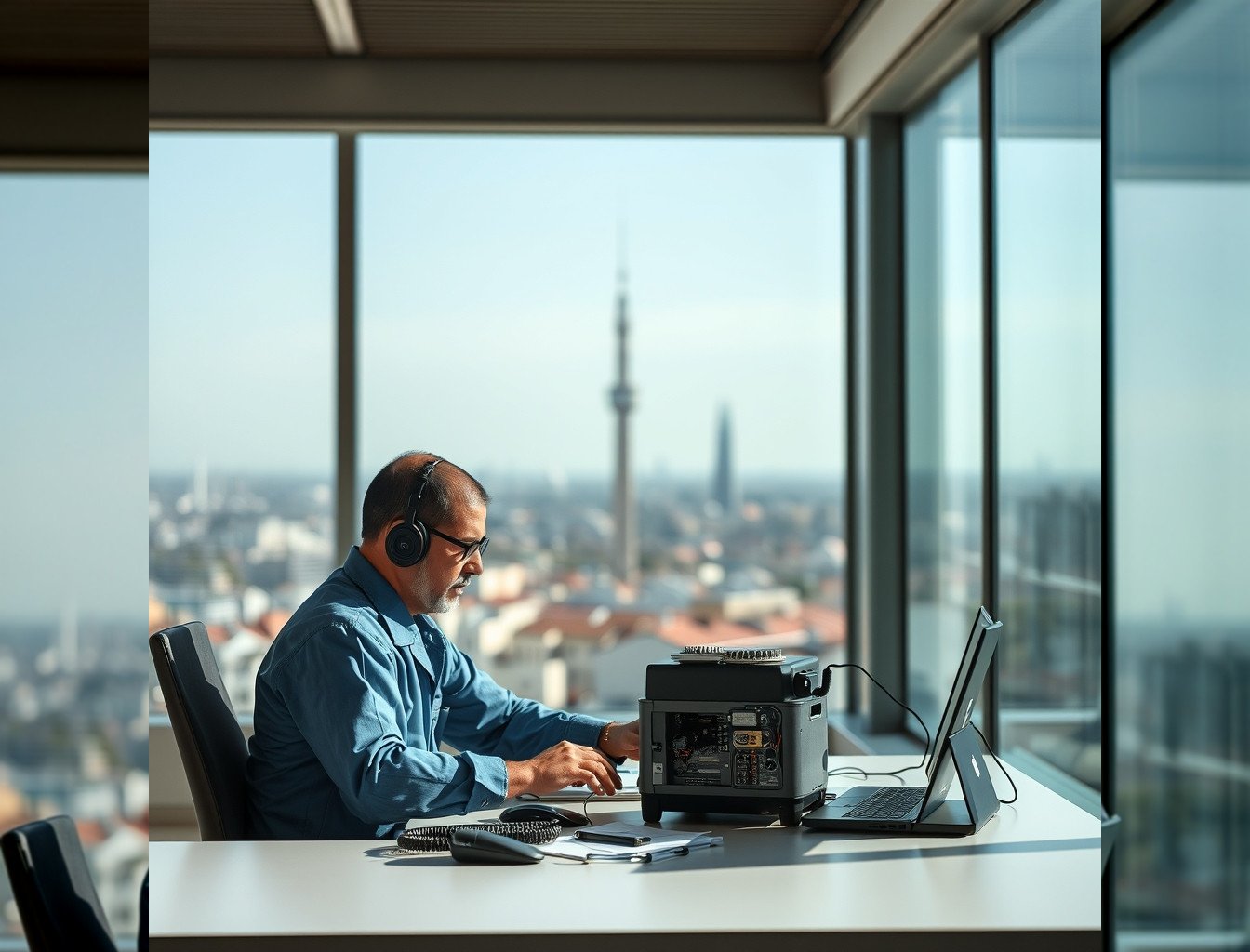
Algeria’s tech push: 5G and AI infrastructure create opportunities for startups
Algeria is accelerating its digital transformation with a focus on 5G and AI expansion, positioning itself as a regional leader in technological infrastructure. The government has partnered with telecom operator Ooredoo Algeria to roll out high-speed networks, while the launch of the first AI-focused high-performance computing center in Oran signals a strategic shift toward innovation. These developments mark a deliberate effort to modernize the economy, offering 30% subsidies for pilot programs—a financial incentive for tech startups to develop solutions in AI, data analytics, and smart infrastructure.
The push extends beyond urban centers. Rural and semi-urban areas are now being integrated into the digital grid, ensuring broader access to advanced connectivity. This expansion aligns with Algeria’s broader Industry 4.0 strategy, which aims to reduce reliance on traditional sectors like hydrocarbons by fostering high-tech industries. For entrepreneurs, the timing is critical: the government’s 1.8 billion dinars in training funds for female founders in STEM fields—particularly in AI and cybersecurity—provides a rare opportunity for women-led ventures to gain traction in a male-dominated sector.
Yet challenges remain. While Algeria’s digital ambitions are ambitious, implementation gaps persist. The rollout of 5G has faced delays in some regions due to logistical hurdles, including limited local manufacturing capacity for network equipment. Additionally, the digital skills gap—particularly among youth—threatens to slow adoption. To bridge this, the government has launched vocational training programs in partnership with private tech firms, but participation remains uneven across provinces.
Security strains: border tensions and regional threats reshape Algeria’s role
Algeria’s geopolitical position in the Sahel and Maghreb is under pressure, with border tensions and regional conflicts testing its diplomatic and military influence. The escalation between Algeria and Morocco has reached a new level, with military exercises near the border and mutual accusations of destabilization. The Western Sahara conflict remains a flashpoint, with both countries adopting a “selective silence” on regional threats—such as the Iran attack in January 2026—to avoid diverting attention from their rivalry.
Despite this, Algeria is repositioning itself as a security guarantor in the Sahel, a role it played during the 2010s but abandoned amid internal challenges. Recent signals suggest a return to a more active stance, including military coordination with Mali and Niger against jihadist groups. However, this pivot is complicated by domestic instability, including retrials of activists in Kabylie—where Amnesty International has warned of torture and death penalty risks—undermining Algeria’s moral authority in advocating for human rights abroad.
The Green Dam project, a 1,500-kilometer green belt planted in 1971 to combat desertification, now faces new security implications. As climate pressures intensify, transborder smuggling and irregular migration threaten the Sahel’s fragile stability. Algeria’s National Institute for Agricultural Research (INRAA) is expanding solar-powered irrigation techniques in partnership with Mauritania, the first beneficiary of this expertise. Yet, without broader regional cooperation, these efforts risk being overshadowed by political rivalries.
Reform signals: constitutional changes, Berber recognition, and persistent hiring gaps
Algeria’s constitutional reforms—including the reinstatement of term limits and official recognition of the Berber language (Tamazight)—have been hailed as symbolic progress by minority groups. However, implementation remains uneven, and Berber activists express cautious optimism, noting that cultural rights do not always translate into economic or political empowerment. The 2016 reforms were a response to decades of marginalization, but structural barriers—such as limited media representation in Berber and underfunded regional institutions—persist.
A more pressing issue is the employment gap for female graduates, particularly in STEM fields. Despite Algeria’s high female enrollment in higher education, women still face systemic hiring discrimination. A 2025 study found that Maghreb women with advanced degrees earn 20% less than men in similar roles, and many are pushed into informal or low-paying sectors. The government’s 1.8 billion dinar fund for female tech founders is a step toward addressing this, but cultural biases and lack of mentorship networks continue to hinder progress.
In medical research, Algeria is making strides with its first international cancer research conference, aiming to build a national ecosystem for oncology. Collaborations with European and Middle Eastern institutions are increasing, but funding shortages and brain drain remain obstacles. Meanwhile, the justice system’s retrials—particularly in Kabylie—highlight ongoing human rights concerns, with Amnesty International warning of unfair trials and abuse risks. These cases test Algeria’s commitment to rule of law, especially as it seeks to project a reformist image internationally.
Key takeaway for entrepreneurs
Sources
- Africa Defense Forum
- Carnegie Endowment for International Peace
- Al Jazeera
- BBC
- EL PAÍS English
- Reuters
💡 Starting a business in Algeria? GlobalStart guides you step by step: procedures, real costs, company forms (SARL, EURL, SPA) and CNRC registration.