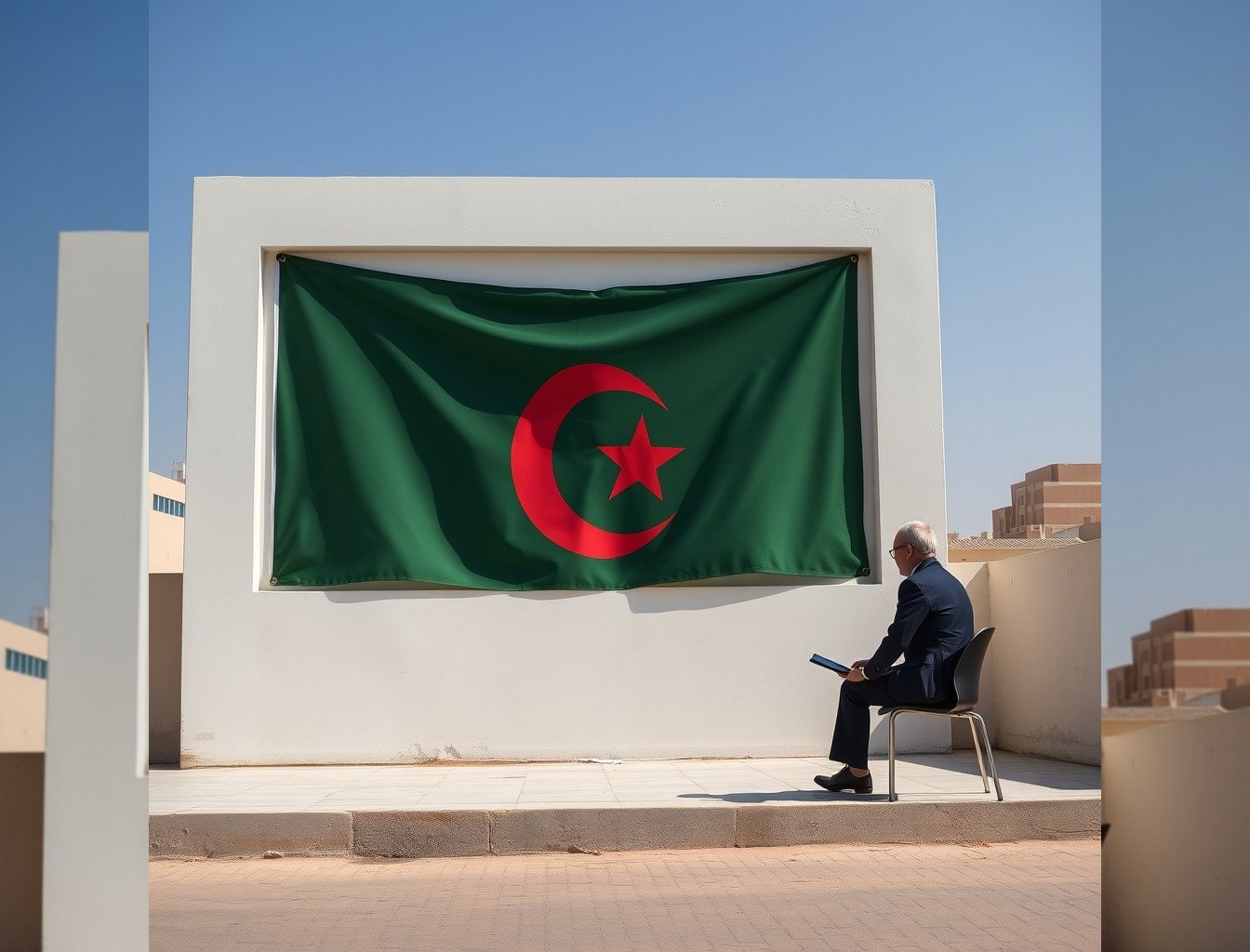
Algeria’s visa crackdown stifles freelancers while energy ambitions face financing hurdles
Algerian freelancers and remote workers are facing mounting barriers to access European markets. A probe into an Indian company, BLS, revealed it charged €25,000 for Schengen visas for Algerian applicants—suggesting systemic corruption in visa processing. The crackdown follows Spain’s migration crisis, where Algerian nationals were among those exploited by visa brokers. Meanwhile, Algeria’s diplomatic pivot toward energy partnerships has not translated into easier labor mobility.
The government’s tightening of visa policies coincides with a push to regulate freelance and digital nomad activities. Authorities have signaled stricter scrutiny of work permits, particularly for those seeking to operate in the EU under remote work arrangements. This comes as Algeria’s economy grapples with high youth unemployment—nearly 30%—and a brain drain of skilled professionals. The visa restrictions may further limit opportunities for Algerians to monetize their expertise abroad, despite growing demand for freelance services in tech, design, and consulting.
Energy expansion stalls without bankable financing
Algeria’s renewable energy sector is expanding, but financing remains the Achilles’ heel. The National Agency for the Promotion and Rationalization of Energy Use (APRUE) announced a 300 MW wind farm in Adrar Province, with construction set to begin in late 2026. This project aligns with the government’s target of 5 GW of wind capacity by 2030. However, local banks demand 30-40% equity upfront, while international lenders insist on sovereign guarantees—a hurdle for private developers.
The solar sector faces similar constraints. Despite Algeria’s vast solar potential, projects struggle to secure funding due to high perceived risks. The banking sector’s reforms have stalled, leaving SMEs—including renewable energy startups—without reliable credit channels. This bottleneck persists even as Algeria positions itself as a key player in Europe’s green hydrogen strategy. Germany and Spain have both signaled interest in Algerian hydrogen exports, but without improved financing mechanisms, large-scale projects risk remaining on paper.
Diplomacy shifts to energy corridors amid unresolved trade tensions
Algeria’s foreign policy is increasingly focused on energy diplomacy, particularly with Europe. Spain, after resolving a six-month dispute over gas supply cuts, agreed to increase Algerian gas exports by 15% in 2026—though volumes remain capped at 10 billion cubic meters. No new trade agreements were signed during Spanish Foreign Minister José Manuel Albares’ June 2026 visit, indicating that deeper economic ties are still contingent on energy deals.
Germany, meanwhile, is pushing for a hydrogen pipeline from Algeria via Italy, framing the project as critical to Europe’s decarbonization. Algeria has reaffirmed its commitment to this partnership, but the lack of sovereign guarantees and unclear regulatory frameworks delay progress. While energy cooperation advances, trade tensions with Tunisia persist, undermining Algeria’s push for greater African integration. The Intra-African Trade Fair (IATF2025) in Algiers highlighted the need for faster trade liberalization, yet bilateral disputes with Maghreb neighbors remain unresolved.
Beyond energy: stalled reforms and emerging opportunities
Transport safety measures have been introduced ahead of peak summer travel, including stricter vehicle inspections and roadblocks. These steps follow a series of high-profile accidents, though enforcement remains inconsistent. Meanwhile, Algeria’s political transition continues amid protests, with no clear resolution to demands for economic reform. Education reforms have boosted women’s enrollment in higher education, but these gains have not translated into private-sector employment growth—a persistent challenge for female entrepreneurs.
Sports integrity initiatives are gaining traction ahead of the 2027 African Cup, signaling a shift toward transparency in a sector long plagued by corruption. Yet, broader structural issues—such as the banking sector’s stagnation—continue to hinder private-sector dynamism. The government’s focus on energy and diplomacy has overshadowed domestic economic reforms, leaving entrepreneurs to navigate a fragmented regulatory landscape.
Key takeaway for entrepreneurs
Algeria’s energy ambitions offer long-term opportunities, but financing gaps and visa restrictions create immediate hurdles. Freelancers and SMEs must adapt to stricter labor mobility rules while renewable energy developers await clearer banking reforms. Success will depend on leveraging diplomatic ties for trade access—without relying on unbankable projects.
Sources
- Industrial Info Resources
- AL24 News
- inkl
- Renewables Now
- SteelRadar
- The Banker magazine
💡 Starting a business in Algeria? GlobalStart guides you step by step: procedures, real costs, company forms (SARL, EURL, SPA) and CNRC registration.