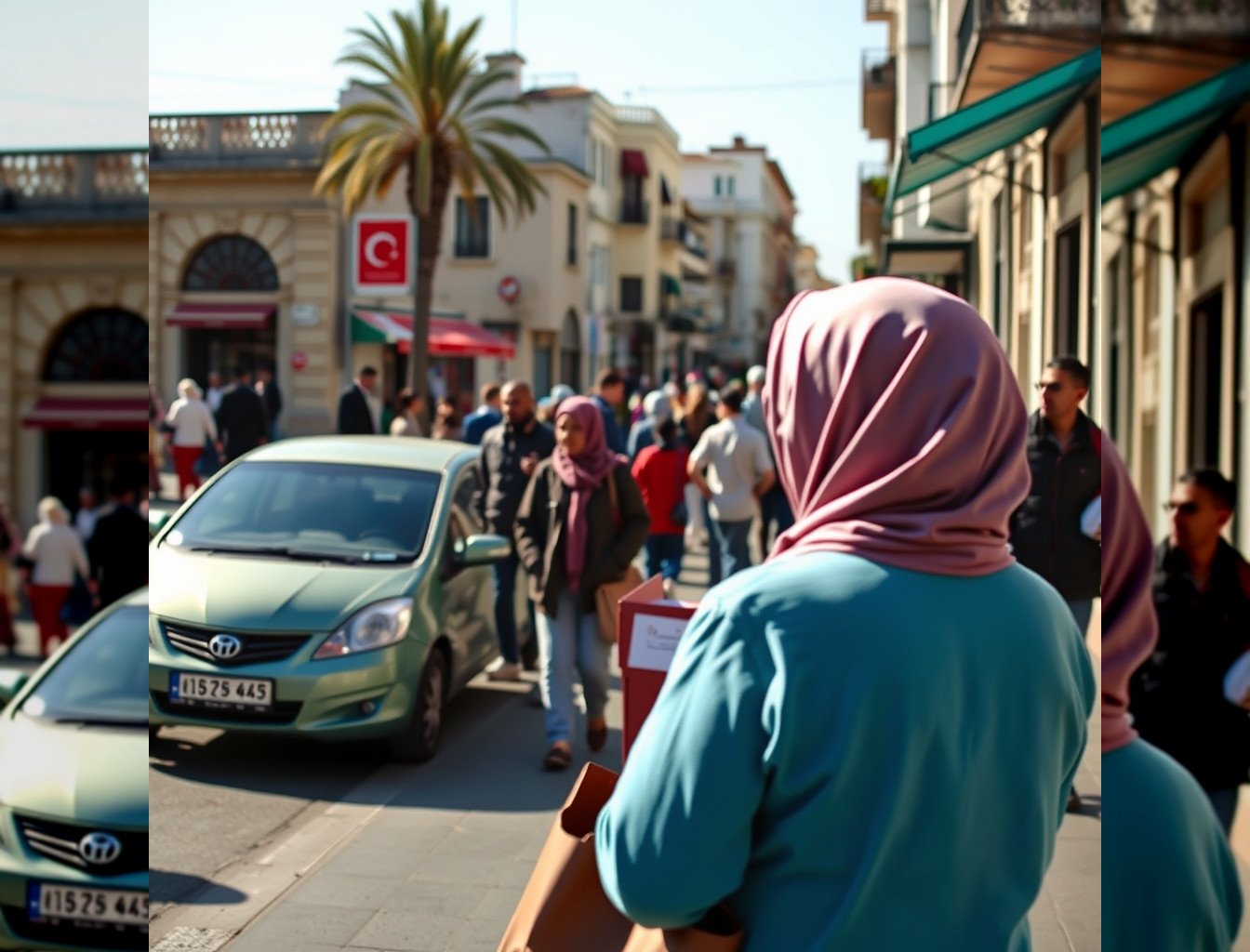
Last month, Algeria’s capital Algiers hosted a high-profile gathering meant to engage the country’s second-generation diaspora in cultural and economic revival. The event, described in a recent Frieze article, brought together young Algerians born or raised abroad to explore identity, heritage and potential contributions to the national economy.
According to Frieze, the event took place against a backdrop of renewed state interest in mobilising the diaspora as a driver of modernisation. Organised under the banner of cultural exchange, it featured discussions on art, literature and entrepreneurship, with a clear emphasis on connecting young Algerians abroad to local opportunities.
Among the speakers were cultural figures and institutional representatives who highlighted Algeria’s post-revolutionary heritage as a bridge between generations. The Frieze report notes that the event underscored how nostalgia for Algeria’s revolutionary history—often mythologised in literature and film—is being repurposed to foster a sense of shared purpose among overseas-born Algerians.
For entrepreneurs and founders, the gathering signals more than a sentimental return—it reflects a strategic push to tap into the skills, capital and networks of the second generation. Algeria’s government has periodically launched initiatives to attract diaspora investment, but this latest effort appears focused on cultural belonging as a precursor to economic engagement.
The timing aligns with broader trends: Algeria’s youth unemployment remains high, particularly among university graduates, while the state seeks to diversify an economy still heavily reliant on hydrocarbons. Figures from the World Bank indicate youth unemployment at around 28 percent in 2024, with entrepreneurship promoted as a partial solution through programmes like the National Agency for Youth Employment Support (ANSEJ).
While the Frieze article does not detail concrete policy measures targeting the diaspora, it suggests that cultural nostalgia is being used to lower barriers for return migration and business investment. For founders abroad, this could mean incentives such as tax breaks or facilitated residency, though specifics remain unconfirmed.
The event also highlighted generational tensions among diaspora youth. Many second-generation Algerians express mixed feelings about their connection to the homeland—pride in heritage, but distance from its political and economic realities. Frieze notes that some participants described feeling “cultural tourists” rather than active stakeholders, indicating that emotional appeal alone may not be enough to drive tangible participation.
For Algerian entrepreneurs abroad, the gathering offers a signal: the state is opening a dialogue, but expectations—especially around economic inclusion—remain unmet. Founders who once saw limited prospects in Algeria may now find a more receptive environment, particularly if cultural programmes translate into practical support.
The gathering in Algiers reflects a broader regional trend where diaspora engagement is being tied to post-conflict or post-revolutionary identity-building. Algeria’s revolutionary narrative, long central to national identity, is now being repurposed as a tool for economic revitalisation.
Key takeaway for entrepreneurs: Algeria’s recent cultural push to engage the second-generation diaspora signals potential openings for return migration and business establishment, though concrete incentives remain undeveloped. Founders should monitor official announcements from institutions like ANSEJ and cultural ministries for policy shifts that could ease investment and residency pathways.
Sources
- Frieze
💡 Starting a business in Algeria? GlobalStart guides you step by step: procedures, real costs, company forms (SARL, EURL, SPA) and CNRC registration.