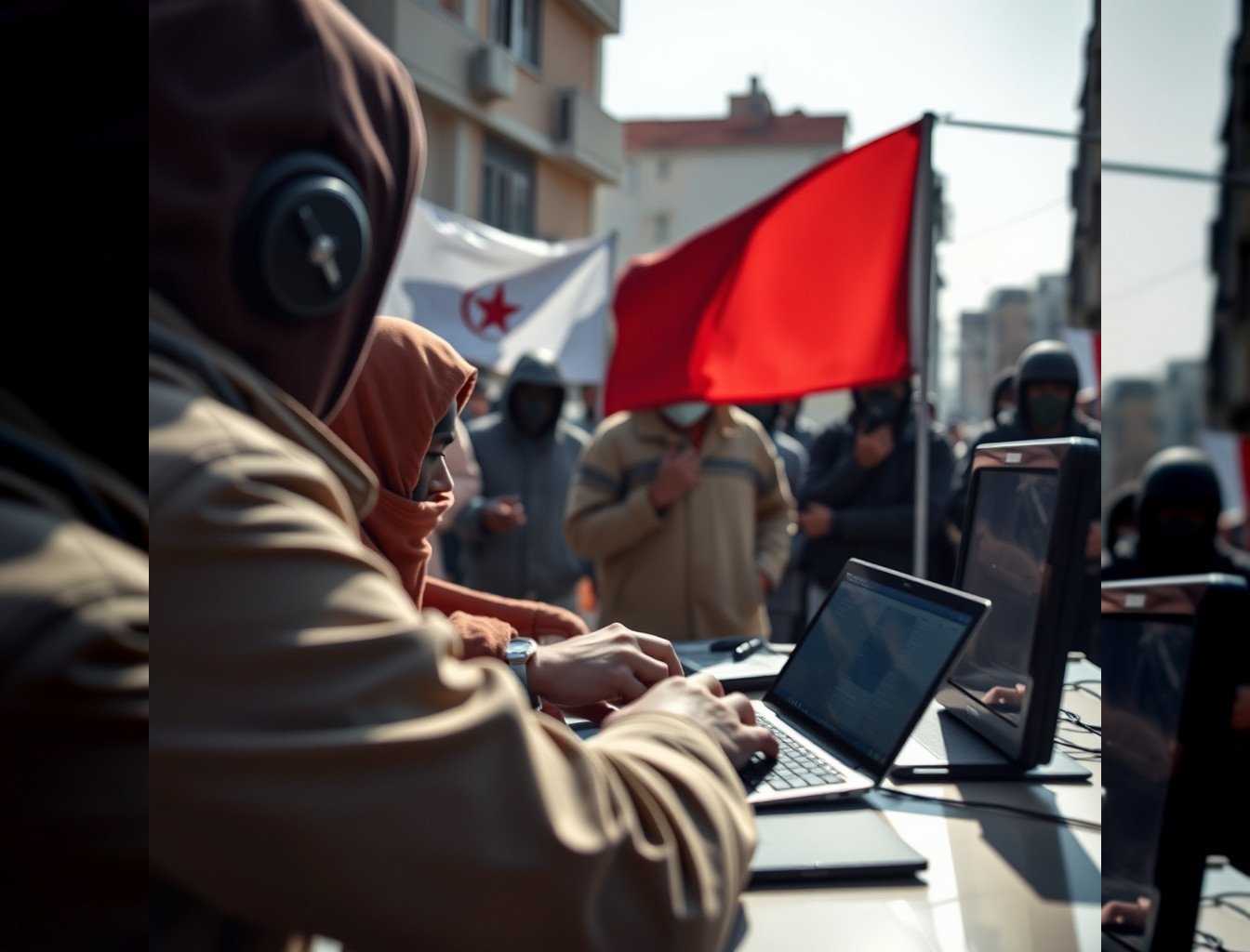
Algeria and Austria’s recent cyber clash has reignited historical tensions linked to the 1982 “Disgrace of Gijon,” when Algeria’s national football team was controversially eliminated from the FIFA World Cup by West Germany after a 1-0 loss. According to Reuters, the latest dispute flared online after Austrian officials accused Algerian state-linked entities of launching cyberattacks targeting Austrian financial and energy infrastructure recently. Vienna responded by summoning Algeria’s ambassador and tightening scrutiny on Algerian-linked businesses operating in Austria, exposing Algerian entrepreneurs and the diaspora to heightened regulatory and operational risks.
The fallout is not confined to diplomacy. Austrian regulators have reportedly flagged increased compliance checks on Algerian-owned or operated firms, particularly in fintech, e-commerce, and energy services, citing “enhanced security protocols.” Entrepreneurs with dual Algerian-Austrian citizenship or cross-border supply chains now face prolonged due diligence reviews, delayed licensing, and potential account freezes. One Algerian fintech founder operating in Vienna told Reuters that a client payment was delayed for nearly two weeks after a compliance review, costing the company a six-figure euro invoice. “We’re not under attack, but every transaction now looks suspicious,” the founder said, speaking on condition of anonymity.
For Algerian startups eyeing European expansion, the dispute adds another layer of uncertainty. Austria serves as a regional hub for North African fintech firms seeking EU regulatory clarity and access to the European Single Market. Recent EU directives on digital operational resilience require third-country firms to demonstrate robust cybersecurity measures, a standard that may now be applied more strictly to Algerian entities. According to the European Banking Authority’s 2026 risk assessment, cyber incidents involving third-country actors have risen by 34% in the past 12 months, prompting regulators to review third-party risk frameworks. For Algerian digital payment platforms, this means accelerated investment in cybersecurity certification and EU-compliant data hosting—costs that strain early-stage capital.
The diaspora community is also exposed. Many Algerian entrepreneurs in Austria work in import-export, hospitality, and consulting, sectors heavily reliant on cross-border transactions and permits. A recent survey by the Algerian Business Association in Vienna found that 42% of members reported “moderate to severe” disruptions in licensing or banking services over the past month. One restaurateur in Graz noted that a long-standing import license for Algerian olive oil was temporarily suspended without explanation, leading to stock shortages. “We’re not political players, but our livelihoods depend on stability,” the restaurateur said.
Algerian officials have dismissed the allegations as politically motivated, framing the dispute as another episode in a long-standing rivalry. “This is not about cybersecurity; it’s about historical grievances,” said an unnamed Algerian foreign ministry spokesperson. Meanwhile, Austrian officials emphasized the need for proportional responses. “Our focus is on protecting critical infrastructure, not targeting entrepreneurs,” said Austria’s foreign minister, Alexander Schallenberg.
For Algerian founders with operations or ambitions in Europe, the lesson is clear: diversification and transparency are no longer optional. Firms that can demonstrate EU-level cybersecurity standards—such as ISO 27001 certification or SOC 2 compliance—may gain a competitive edge in overcoming regulatory hurdles. Meanwhile, investors are increasingly factoring geopolitical risk into valuations. A recent report by regional venture firm AfricInvest pegged the risk premium for Algerian tech startups in Austria at 15% higher than pre-2024 levels, reflecting the added uncertainty.
Key takeaway for entrepreneurs
Entrepreneurs with Algerian ties in Austria face delayed transactions, stricter compliance reviews, and higher operational costs due to the cyber clash. Firms should accelerate certification in EU cybersecurity standards and diversify payment or supply routes to mitigate disruptions. The dispute signals a shift toward stricter scrutiny of third-country digital and financial actors in Europe.
Sources
- Reuters
💡 Starting a business in Algeria? GlobalStart guides you step by step: procedures, real costs, company forms (SARL, EURL, SPA) and CNRC registration.