The week saw Algeria advance cybersecurity infrastructure, secure $878 million for rail expansion, deepen energy ties with Africa and Europe, and maintain strained relations with Morocco and France. Vocational training initiatives expanded in step with digitalization, while tourism and tramway sectors recorded local project launches.
Cybersecurity and digital governance: state-led consolidation
Algeria adopted its 2025–2029 National Cybersecurity Strategy, setting a framework for national capacity-building and public-private coordination. Concurrently, the national police launched a digital platform for online lost-document reports, aiming to reduce in-person administrative traffic. Both measures follow rises in reported cyber incidents targeting public and enterprise systems in 2024, including ransomware attacks on municipal networks in Tlemcen and Oran.
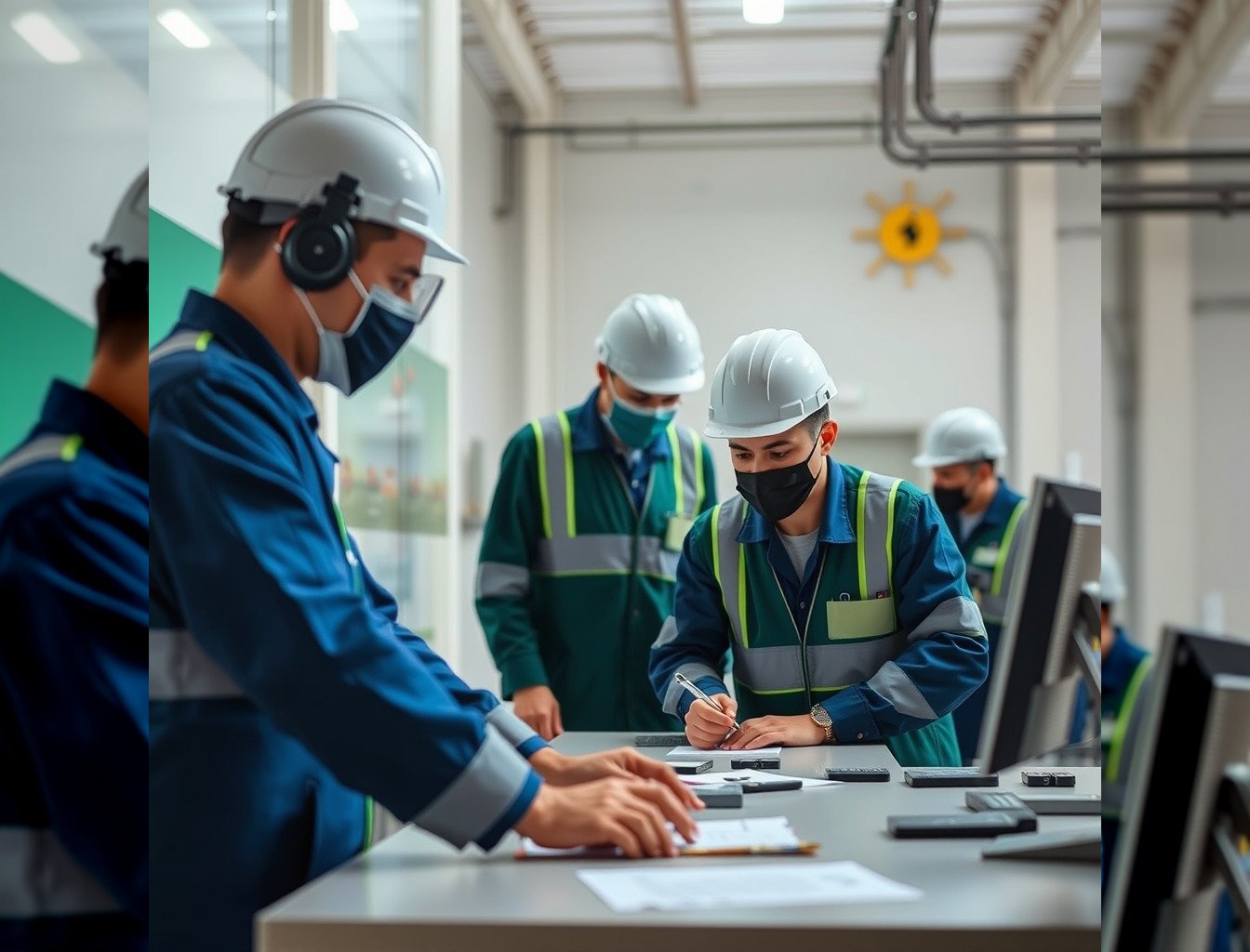
Domestic cybersecurity firms report increased contract inquiries from SMEs preparing for compliance with upcoming sectoral regulations. Public vocational training centers in Algiers, Sétif and Constantine have begun integrating cybersecurity modules into technician-level programs, with an initial cohort of 450 students enrolled for the 2025 academic year.
Infrastructure finance and logistics: regional integration signals
The African Development Bank approved an $878 million loan for Algeria’s trans-Saharan railway, linking the port of Skikda to Tindouf by 2029, reducing land transport time to West African markets by two days. The project includes 18 bridges, 22 tunnels, and electrified dual tracks, with construction to be tendered to international consortia by Q1 2025.
Separately, Algeria secured a $200 million credit line from Afreximbank for the Hassi Bir Rekaiz oil development in the south, increasing production capacity by 45,000 barrels per day by 2027. The facility is structured as a 7-year term loan at Libor + 350 basis points, with repayment from export proceeds.
Energy transition: hydrogen and hydrocarbons
State-owned Sonatrach and Siemens Energy signed a memorandum for joint feasibility studies on green hydrogen and ammonia production in Adrar and Tlemcen, targeting European export by 2028. A pilot plant of 50 MW electrolysis capacity is scheduled for commissioning in 2026, with electrolyzer suppliers to be selected via international competitive bidding.
In parallel, Sonatrach raised its 2025 capital expenditure budget to $11 billion, with 60% allocated to upstream projects, including Hassi Bir Rekaiz. The budget includes $1.2 billion for decarbonization measures, primarily flaring reduction and solar-powered field operations.
Urban and cultural policy signals
Kazakhstan and Algeria marked 30 years of diplomatic relations with a cultural showcase in Astana, featuring Algerian handicraft exhibitions and Kazakhstani investment forums. The event included a business-to-business session attended by 12 Algerian exporters, primarily in agri-food and textiles.
Algeria’s Independence Day remains scheduled for July 5, 2027, with cabinet approval of a commemorative budget of 4.2 billion dinars, including infrastructure upgrades at key historic sites in Batna and Constantine.
Morocco lodged a formal protest to UNESCO after an Algerian delegation interrupted a cultural event by playing the Algerian national anthem during a moment of silence for Holocaust victims, describing the act as “unacceptable conduct.”
Literature and heritage: regulatory and diplomatic pressure
The Algerian writer Mohamed Tadjadit, known as the “Voltaire of the Arabs,” received a literary award in France while serving a two-year sentence in Algeria for “undermining national unity” under Penal Code Article 96. His case has triggered a UNESCO intervention request by the French government.
Authorities in Algiers demolished a 19th-century synagogue in the Casbah, citing structural risks, despite opposition from heritage conservation NGOs. The site, registered under the 2003 cultural heritage law, had been vacant since 1962.
Local industry: tramway-related manufacturing expansion
Sifi Ghrieb, a metalworking SME based in Batna, announced a 400 million dinar investment to build a foundry specializing in railway components, with capacity for 12,000 tons of castings annually. The plant will supply regional tramway and rail projects and has secured a preliminary order from the Ministry of Transport for 2,500 axle housings.
Diplomatic climate: France and Morocco tensions
France’s leading historian on colonial history, Benjamin Stora, stated that Paris and Algiers are locked into the worst bilateral crisis since 1962, citing stalled visa liberalization and unpaid French pension claims for Algerian veterans. Algeria froze high-level talks in March 2024 after France’s recognition of Moroccan sovereignty over Western Sahara, while continuing to demand reparations for colonial-era crimes.
Algeria’s focus on Morocco has eclipsed reconciliation prospects with France, according to diplomatic sources, with bilateral trade declining 8% in 2024 to $8.2 billion. French companies operating in Algeria remain subject to payment delays averaging 90 days for public contracts.
Investment climate: 2025 Finance Law details emerge
The 2025 Finance Law, published June 28, introduces a 15% corporate tax rebate for firms investing in renewable energy and industrial parks in the south. It also removes import duties on capital goods for green hydrogen projects, reducing upfront costs by an estimated 12%.
The law maintains the Algerian dinar’s peg to a basket of currencies, with no devaluation announced. Inflation edged up to 4.7% in May 2025, driven by food prices, while the central bank kept its key rate at 3.5%.
A UNDP call for proposals opened for community-based environmental initiatives in Algeria, offering grants between $50,000 and $200,000, with a focus on water conservation and waste recycling in rural areas.
Tourism and media exposure: narrow opportunities
National Geographic aired a 42-minute documentary on Algeria’s Sahara, shot over 18 months, reaching an estimated 2.1 million viewers in the United States and Europe. The program highlighted the Tassili n’Ajjer rock art sites and the Hoggar mountain range, with no commercial tie-ins to Algerian operators.
A road-trip feature in an international travel magazine described Algeria’s coastline from Annaba to Béjaïa as “undiscovered,” citing hotel occupancy rates below 40% in secondary cities during peak season.
Separately, Morocco promoted an ultra-marathon in the Sahara near Merzouga, with a $150,000 prize pool, drawing international athletes and media coverage.
Key takeaway for entrepreneurs
Algeria’s 2025 Finance Law offers fiscal incentives for green hydrogen and industrial parks, while Afreximbank’s $200 million line targets energy project financiers. SMEs in metalworking can bid for tramway component contracts, with Batna’s new foundry offering local supply options. Cybersecurity compliance will likely become mandatory for government contractors by 2026, creating consultancy and training demand.
Sources
- The Washington Post
- The Christian Science Monitor
- Transnational Institute
- Ynetnews
- fundsforNGOs
- Caspian Post
💡 Starting a business in Algeria? GlobalStart guides you step by step: procedures, real costs, company forms (SARL, EURL, SPA) and CNRC registration.