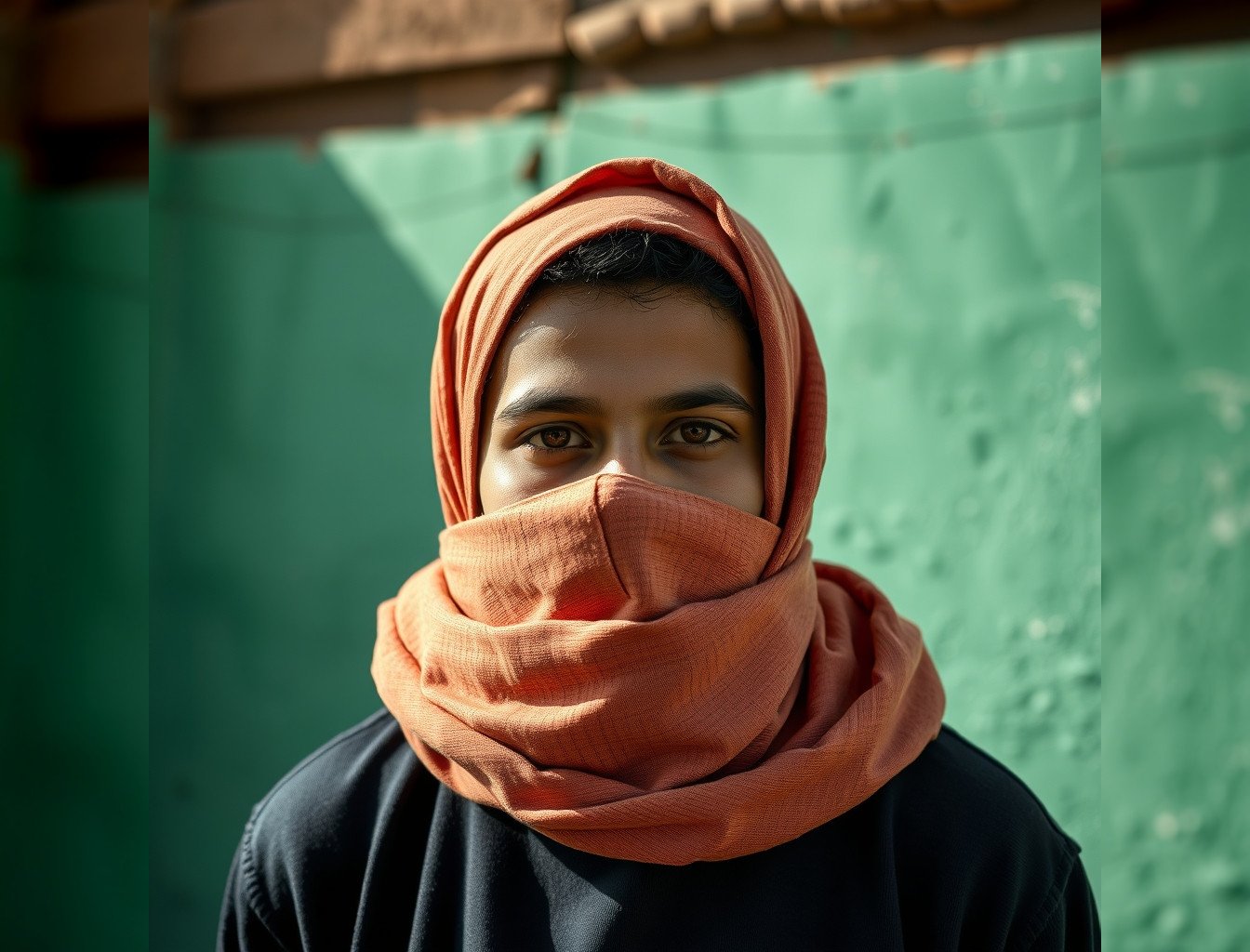
Ken, the Algerian visual creator known for transforming ordinary Algerian streets into cinematic narratives, has gained regional attention for his ability to capture daily life through a director’s eye. According to The Voice of Africa, his work elevates everyday scenes—from crowded markets to quiet neighborhoods—into short visual stories that resonate across digital platforms.
The project, recently profiled by The Voice of Africa, highlights how one creator is reshaping how Algerian culture is seen online. By using mobile devices and accessible editing tools, Ken documents life in Algeria with a narrative depth usually reserved for filmmakers with larger budgets. The result is a growing online audience that sees Algerian reality portrayed not as static imagery, but as living, breathing stories.
His approach is particularly relevant in a country where visual media has historically been dominated by state narratives or international productions. By focusing on the micro—local cafes, public transport, family gatherings—Ken creates relatable content that connects with both local viewers and the Algerian diaspora.
Entrepreneurs and small media creators in Algeria can draw several lessons from Ken’s rise. First, access to affordable technology—smartphones, free editing apps, and social platforms—has democratized content creation. This lowers the barrier to entry for aspiring filmmakers and visual storytellers who lack access to traditional film equipment or studio funding.
Second, Ken’s success shows the value of authenticity in content. Audiences respond to stories that feel true to their environment, not imported formats. For local entrepreneurs in media, tourism, or cultural exports, this underscores the importance of producing content rooted in Algerian identity rather than chasing global trends blindly.
Third, digital distribution is key. Ken’s work gains traction not through television or cinema, but through social media—platforms like Instagram, TikTok, and YouTube. This means creators must prioritize mobile optimization, short-form storytelling, and engagement strategies. It also offers opportunities for monetization through sponsorships, ads, and paid collaborations with local brands.
The Voice of Africa notes that Ken’s work is part of a broader shift among young Algerians who are using digital tools to redefine cultural narratives. This movement is not only artistic but economic: it creates demand for local services—from editing software tutorials to mobile photography workshops—opening new niches for small businesses.
For the Algerian diaspora, Ken’s work serves as a bridge. By sharing Algerian daily life in cinematic form, he helps maintain cultural ties and offers a counter-narrative to foreign portrayals of the country. Diaspora-driven platforms—like transnational media channels or cultural associations—could partner with creators like Ken to co-produce content that appeals to both local and global audiences.
Ken’s example also points to a growing market for authentic visual content. Brands looking to connect with Algerian consumers or diaspora markets can learn from this trend. Instead of generic advertising, there’s increasing appetite for stories that reflect real Algerian experiences—an opening for creative agencies, influencers, and small studios.
Moreover, institutions like universities and vocational centers could integrate visual storytelling into their curricula, training the next generation of creators in narrative techniques and digital distribution. Such programs would not only fuel local talent but could position Algeria as a hub for creative digital content in North Africa.
Yet challenges remain. Internet connectivity and mobile data costs in Algeria can still limit widespread access to online content. While platforms are improving, creators outside major cities often face connectivity issues that affect upload speeds and live streaming. Addressing these infrastructure gaps would accelerate the growth of digital storytelling ecosystems.
For local entrepreneurs eyeing the creative economy, Ken’s trajectory shows that success doesn’t require massive investment—just vision, consistency, and an understanding of audience needs. By focusing on niche stories with universal appeal, small creators can build loyal followings and even attract international attention.
Ken’s work also aligns with a broader trend: the rise of “cultural micro-entrepreneurship.” Young Algerians are turning hobbies into income streams, selling prints, offering workshops, or producing sponsored content. This grassroots economy benefits from low overhead and high scalability, making it ideal for a market where formal job creation lags behind demand.
According to The Voice of Africa, Ken’s content has inspired similar projects across Algeria, from Oran to Tizi Ouzou. This clustering effect suggests a growing creative community that could evolve into a formal sector—if supported by policy and investment.
Key takeaway for entrepreneurs
Ken’s rise illustrates how accessible tools and authentic storytelling can create new economic opportunities in Algeria’s creative sector. Aspiring visual creators should focus on mobile-first content, local themes, and digital distribution to build audiences and revenue. For the diaspora, supporting such creators offers a way to invest in cultural capital with real social and economic returns.
Sources
- The Voice of Africa
💡 Starting a business in Algeria? GlobalStart guides you step by step: procedures, real costs, company forms (SARL, EURL, SPA) and CNRC registration.