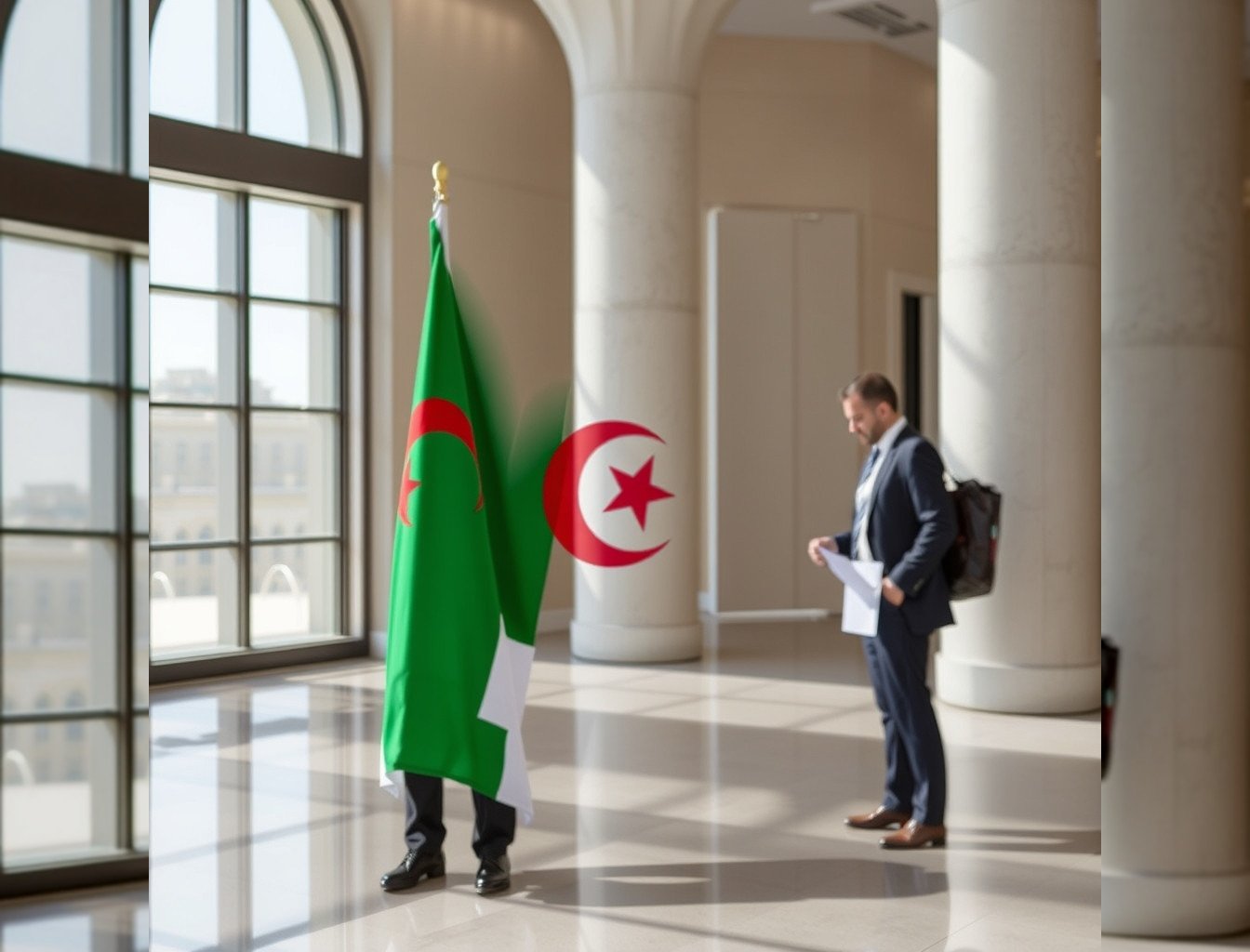
Energy and Economic Diversification: Algeria’s Cross-Border Gamble
Algeria’s energy sector remains the backbone of its economy, but recent developments suggest a cautious push toward diversification. The Cevital sugar plant in Relizane marks a rare easing of restrictions on agricultural imports and processing. After years of protectionist policies, this move signals a limited opening—though still constrained by bureaucratic hurdles. Meanwhile, Sonatrach’s legal and governance updates reflect ongoing pressure to modernize, as domestic and international investors scrutinize transparency in hydrocarbon contracts.
Across borders, Algeria’s state-owned MADAR has secured a trade deal with Cameroon, focusing on banana and coffee imports. This follows a pattern of selective regional integration, where Algeria balances self-sufficiency with controlled market access. The 1.3 billion USD allocated for irrigation in the 2025 budget underscores the government’s focus on stabilizing food security, particularly in drought-prone areas. Yet, the 180 million USD earmarked for Algiers Metro expansions—a public-private partnership—highlights a shift toward infrastructure-led growth, even as energy revenues remain volatile.
The US-Algeria business ties remain narrowly focused on STEM partnerships and pharmaceutical tariffs, averaging 2.8%. While lower than global averages, these rates still deter smaller exporters. The botanical research on Algerian nettles (Urtica pilulifera and Urtica urens), published in Wiley Online Library, points to untapped potential in agro-pharmaceutical exports. However, bureaucratic delays and inconsistent enforcement of trade agreements limit broader economic spillovers.
Human Rights and Political Tensions: The Hirak’s Lingering Shadow
The Hirak protest movement, which erupted in 2019, continues to shape Algeria’s political climate. Mohamed Tadjadit and 12 other activists remain in detention, facing charges under anti-protest laws. Amnesty International and Human Rights Watch have condemned the prosecutions, framing them as a crackdown on dissent. The post-Bouteflika era—marked by power struggles between military factions and Islamist-leaning parties—has not eased repression. Instead, it has led to a fragmented opposition, where former allies now compete for influence.
The Hudson Institute’s analysis of political Islam in post-conflict Algeria warns of rising fragmentation among Islamist factions. Some groups, once united against the regime, now clash over ideological purity and electoral strategies. This internal divide weakens their ability to challenge the status quo, leaving civil society movements isolated. Meanwhile, legal pressure on activists persists, with courts often siding with security forces in cases involving public order violations.
The diplomatic fallout from these tensions is visible in Algeria’s relations with France, particularly over the French arrest warrant for an Algerian diplomat. Legal experts at EJIL: Talk! argue that functional immunities may shield the diplomat, but the case exposes deeper strains in Franco-Algerian ties. For entrepreneurs, this instability translates into increased legal risks, especially in sectors tied to foreign investment.
Sports Diplomacy and Social Movements: The World Cup as a Catalyst
Algeria’s World Cup campaign has ignited transatlantic solidarity among Algerian-American communities. In Lawrence, Kansas, Algerian heritage was celebrated as a bridge between African diaspora and local sports culture. The Algerian-American mobilization reflects a broader trend: football as a tool for soft power, where national pride transcends political divisions. Even minor incidents, like the Times Square brawl between Algerian and Argentinian fans, became symbolic of the high stakes in global sports diplomacy.
Yet, the assault on an Algerian-American in Boston—reported by People’s World—highlighted the darker side of this engagement. The incident intensified diplomatic exchanges, with Algeria’s embassy issuing statements condemning xenophobia. For Algerian businesses, this duality presents both opportunities and challenges: on one hand, sports-driven tourism and remittances could boost local economies; on the other, security concerns may deter foreign investors wary of reputational risks.
Desertification and Solar Ambitions: A Climate Paradox
Algeria’s solar energy ambitions clash with ecological realities. Large-scale Sahara solar farms, studied in AGU Publications, risk disrupting vegetation cover and local water cycles. The Moroccan-Algerian land disputes over oases and agricultural zones further complicate renewable energy projects. While Algeria aims to become a regional energy hub, evicted Moroccan farmers protesting disputed land underscore the human cost of these ambitions.
The botanical research on Algerian nettles offers a counterpoint: indigenous plants could play a role in sustainable agriculture and pharmaceuticals. However, desertification—accelerated by climate change—threatens these resources. The government’s irrigation investments aim to mitigate this, but without broader land-use reforms, the risks remain.
Medical Research, Women’s Rights, and University Brain Drain
Algeria’s medical research is making strides, but tariffs and export restrictions limit its commercial potential. The botanical studies on nettles, while scientifically valuable, face hurdles in reaching global markets. Meanwhile, Algerian universities struggle with brain drain, as skilled professionals emigrate for better opportunities. This exodus weakens domestic innovation, despite government efforts to attract foreign partnerships in STEM fields.
Women’s rights remain a contentious issue. Algeria’s legal recognition of women’s rights—highlighted by dandc.eu—exists on paper, but enforcement gaps persist. Amnesty International reports that 22 years after pledging national shelters for gender-based violence survivors, progress is minimal. The legislative gaps in domestic violence laws further marginalize women in business, where cultural barriers intersect with weak institutional support.
Key Takeaway for Entrepreneurs
Algeria’s 2025 budget signals selective economic opening, with agricultural and energy cost-sharing as priorities. The Cevital plant and MADAR’s Cameroon deal show easing import restrictions, but bureaucratic inertia remains. For entrepreneurs, STEM-pharma partnerships with the US offer the most stable opportunities, despite 2.8% tariffs. However, legal risks in human rights-sensitive sectors and ecological constraints on solar projects demand cautious navigation. The World Cup-driven diaspora engagement could boost niche markets, but security and regulatory unpredictability remain hurdles.
Sources
- fundsforNGOs
- KCUR
- Hudson Institute
- GIS Reports
- Amnesty International
- dandc.eu
💡 Starting a business in Algeria? GlobalStart guides you step by step: procedures, real costs, company forms (SARL, EURL, SPA) and CNRC registration.