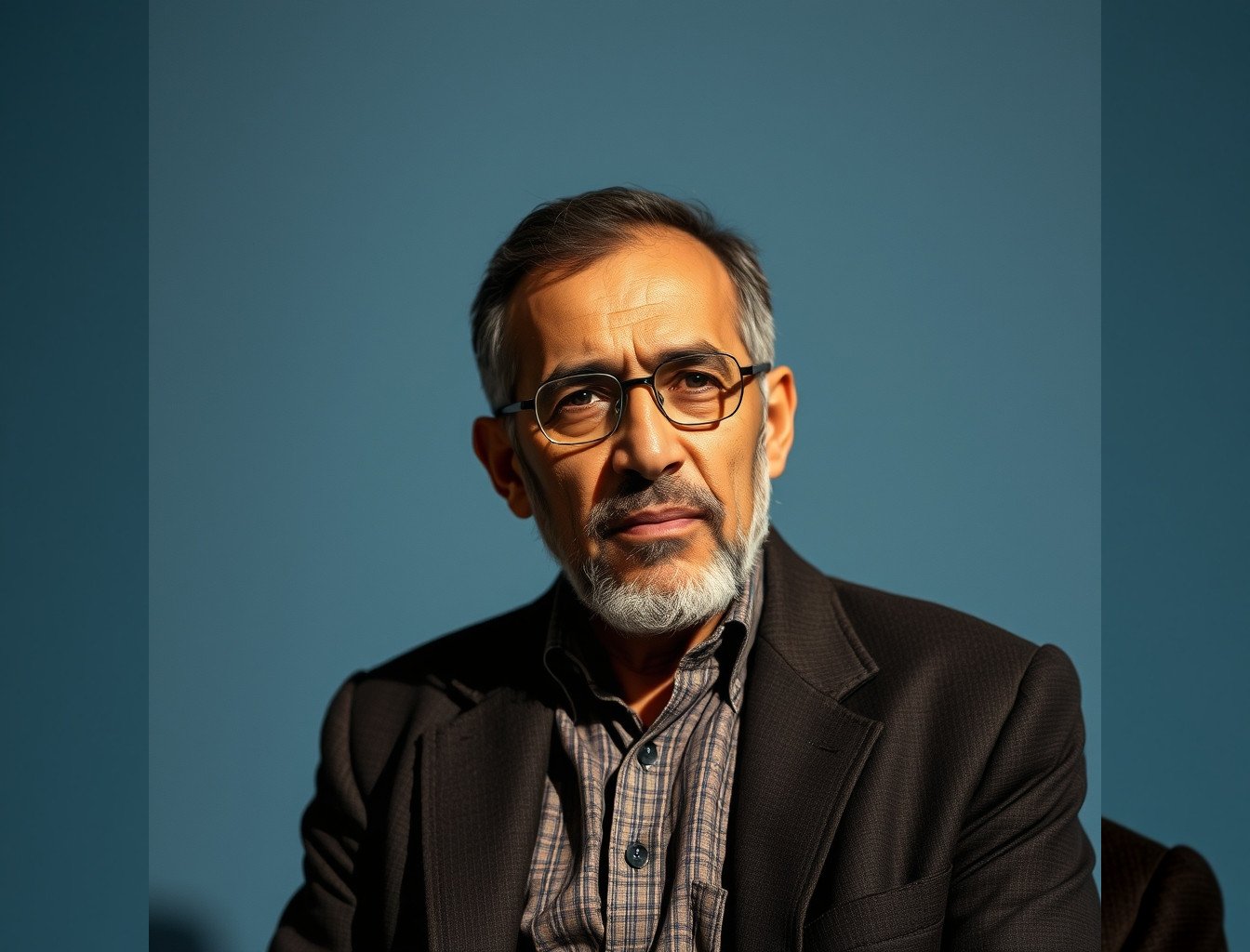
Kamel Daoud, Algeria’s most internationally celebrated living author, is facing a 3-year prison sentence after a court ruling that has sent shockwaves through the country’s literary and business circles. The French-Algerian novelist, best known for his award-winning novel The Meursault Investigation, announced the verdict in April 2026, calling it a sentence not just for him but for creative freedom in Algeria. The ruling, delivered in absentia, threatens to further chill Algeria’s already constrained cultural and publishing environment—a sector that, despite its modest size, plays a disproportionate role in shaping national identity and attracting diaspora investment.
The case against Daoud stems from comments made in 2025 during a public lecture in Oran, where he criticized state censorship and the suppression of dissent. While no official statement from the Algerian judiciary has clarified the charges, local media reports—citing unnamed legal sources—suggest they could fall under laws on “undermining national unity” or “incitement to hatred.” Daoud, who lives in France, has not returned to Algeria since the controversy erupted. His lawyer, according to Reuters, has filed an appeal, but the legal process could drag on for months, leaving the writer in limbo.
For entrepreneurs and business founders in Algeria, the case underscores the persistent risks of operating in a climate where intellectual expression is increasingly policed. While Daoud’s situation is extreme, it reflects broader patterns affecting Algeria’s creative industries. The Algerian book market, valued at approximately $120 million in 2024 according to industry estimates by the Arab Publishers Association, remains heavily dependent on state-controlled distribution networks. Publishers and booksellers report growing pressure to self-censor, with government-linked distributors—such as the National Book Distribution Company (ANDC)—often delaying or blocking titles deemed politically sensitive. This creates a chilling effect that extends beyond literature into journalism, academia, and even tech-driven startups that rely on open dialogue for innovation.
The crackdown also threatens Algeria’s efforts to position itself as a hub for cultural and creative industries. In 2023, the government launched a five-year plan to develop the “cultural economy,” targeting sectors like film, music, and publishing as engines for job creation and export revenue. The plan, unveiled by the Ministry of Culture under Malika Bendouda, aims to increase the sector’s contribution to GDP from 1% to 3% by 2028. But with censorship tightening, foreign investors—especially in digital content, e-commerce platforms for books, and co-productions—are growing cautious. A senior executive at a Casablanca-based media startup, who asked not to be named, told Jeune Afrique recently that Algerian partners are increasingly reluctant to back projects that involve political or social commentary for fear of regulatory backlash.
The Amazigh literary movement, highlighted in recent reports, offers a contrasting narrative. Authors writing in Tamazight, Algeria’s Berber language, have seen gradual official recognition, including the inclusion of Tamazight in school curricula and state funding for bilingual publishing. In 2024, the National Publishing and Book Distribution Agency (ANEP) allocated 15 million Algerian dinars (about $110,000) to support Tamazight-language authors—a modest but symbolic step. This dual reality—where state repression coexists with selective cultural accommodation—creates an unpredictable environment for entrepreneurs. While Tamazight content may find easier market access, the broader literary sector remains vulnerable to political shifts, as Daoud’s case demonstrates.
For the Algerian diaspora, the ruling is a stark reminder of the limitations of soft power and cultural influence. Daoud, who has been nominated for the Nobel Prize in Literature multiple times, has long used his platform to critique both Algerian and French policies. His absence from this year’s Algiers International Book Fair, after a government ban, was a visible symbol of how quickly international recognition can be erased by domestic politics. Diaspora entrepreneurs who invest in Algerian startups—particularly in media, education, and digital publishing—now face a dilemma: whether to pursue opportunities that may be stifled by censorship or redirect their capital to more permissive markets.
The business implications are not just symbolic. Algeria’s startup ecosystem, though small, has shown promise in edtech and content platforms. In 2025, a Tunis-based investor group shelved plans to launch an Arabic-language e-book subscription service targeting North Africa, citing “regulatory uncertainty” in Algeria. Meanwhile, French publishers report a 12% decline in book exports to Algeria over the past year, according to the French Publishers Association (SNE), with many citing delays at customs for titles by Algerian authors living abroad.
Key takeaway for entrepreneurs
Algeria’s censorship crackdown on Kamel Daoud signals heightened risks for cultural and media ventures. Entrepreneurs should conduct legal and political due diligence before investing in content platforms, publishing, or creative industries. Diaspora investors may need to diversify into less politically sensitive sectors or partner with local entities shielded from state interference. The case highlights the need for clearer regulatory frameworks to reassure foreign and domestic investors in Algeria’s cultural economy.
Sources
- CityNews Halifax
- – The McGill Daily
- Al Majalla
- Jadaliyya
- Bowdoin College
- The Arab Weekly
💡 Starting a business in Algeria? GlobalStart guides you step by step: procedures, real costs, company forms (SARL, EURL, SPA) and CNRC registration.