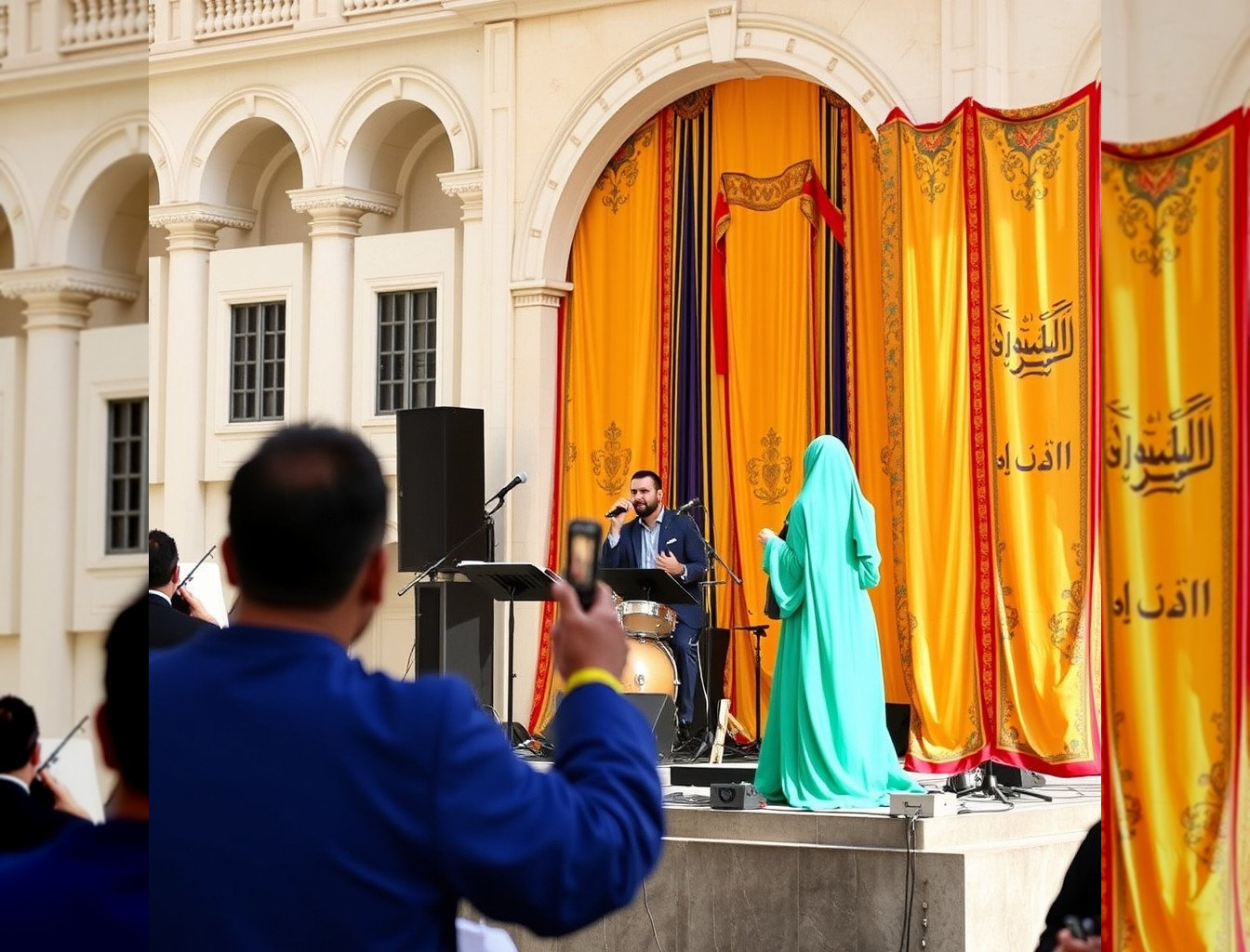
A Cultural and Economic Boost for Algiers’ Creative Industries
The 26th European Music Festival, scheduled for June 13–16 in Algiers, will once again position the capital as a key cultural destination in the Mediterranean. Organized annually by the Algerian Ministry of Culture and Arts in collaboration with European cultural institutes, the event brings together musicians, dancers, and artists from across Europe and the Maghreb. Performances will take place at iconic venues such as the Algiers Opera House, the National Museum of Fine Arts, and the Riadh El Feth cultural complex. For Algeria’s creative economy, the festival is more than a showcase—it is a catalyst for business opportunities, diaspora engagement, and international partnerships.
The influx of visitors—including cultural tourists, expatriates, and international media—creates a surge in demand for hospitality, catering, and local transportation. Hotels like the El Aurassi and Sofitel Algiers Hamma Garden typically operate at near-full capacity during the festival. Restaurants and cafes in the city center report a 30–40% increase in foot traffic, while local tour operators see higher bookings for guided visits to historic sites like the Casbah and the Great Post Office. The economic ripple effect extends beyond tourism. Event logistics companies, sound equipment rental firms, and stage designers secure contracts with festival organizers, generating significant revenue for local service providers. In 2022, the festival alone contributed an estimated 120 million Algerian dinars (approximately $880,000) in direct earnings for these sectors.
Networking, Collaborations, and the Rise of Algerian-European Partnerships
The festival serves as a critical networking platform for Algerian artists and cultural entrepreneurs seeking to expand their reach. Previous editions have facilitated collaborations between local musicians and European record labels, as well as joint ventures in music production and distribution. A notable example is the 2023 partnership between the Algerian National Music Conservatory and the French Institute in Algiers, which launched a training program for young musicians in digital music production. Such initiatives not only enhance artistic skills but also create pathways for Algerian talent to enter global markets.
For entrepreneurs in the creative industries, the festival offers direct access to European partners. Workshops on music entrepreneurship—covering topics like funding, intellectual property, and digital marketing—provide practical tools for independent artists. In 2024, a session on streaming platforms and royalty collection drew over 200 participants, many of whom later launched their own projects on platforms like Spotify and Deezer. These exchanges often lead to long-term collaborations, particularly in sectors where Algeria seeks to diversify its economy beyond hydrocarbons.
Diaspora Engagement and the Festival’s Broader Economic Impact
The European Music Festival also plays a key role in reconnecting the Algerian diaspora with the country’s cultural scene. Many expatriates return during the event, contributing to a temporary but significant boost in remittances and local spending. In 2023, diaspora visitors accounted for nearly 15% of festival attendees, with many extending their stays to explore business opportunities in real estate, retail, and food services. The festival’s timing—just before the summer season—aligns with peak travel periods for Algerians abroad, further amplifying its economic impact.
Beyond immediate spending, the festival fosters long-term collaborations. Diaspora professionals often return with new ideas, investments, or partnerships, particularly in sectors where Algeria is positioning itself as a cultural and tech hub. For instance, Algerian tech startups specializing in event management software, ticketing platforms, and virtual reality experiences have previously partnered with festival organizers to enhance visitor engagement. The 2025 edition introduced a mobile app for real-time scheduling and artist updates, developed by an Algerian startup in collaboration with the Ministry of Culture. Such innovations not only improve the festival experience but also demonstrate Algeria’s growing capabilities in digital culture.
A Platform for Investment and Algeria’s Cultural Ambitions
The festival’s international visibility reinforces Algeria’s role as a cultural hub in the Mediterranean. By attracting foreign investment in music production, film, and design, the event helps diversify the economy beyond traditional industries. Entrepreneurs with experience in these sectors can leverage the festival as a springboard for collaborations with European partners. As Algeria seeks to expand its creative industries, events like the European Music Festival provide a tangible model for sustainable growth.
For business founders in hospitality, event services, and tech, the festival offers clear opportunities. The surge in visitor demand creates short-term revenue streams, while networking sessions and workshops open doors to long-term partnerships. The festival’s ability to engage the diaspora further strengthens its economic and cultural significance, making it a key annual event for Algeria’s creative economy.
Key takeaway for entrepreneurs
The 26th European Music Festival in Algiers presents direct opportunities for businesses in hospitality, event logistics, and creative industries. Entrepreneurs can capitalize on the visitor surge to boost sales, while artists and tech startups can explore partnerships with European counterparts. The event also serves as a platform for diaspora engagement, offering potential for long-term collaborations in tourism, digital culture, and beyond.
💡 Starting a business in Algeria? GlobalStart guides you step by step: procedures, real costs, company forms (SARL, EURL, SPA) and CNRC registration.