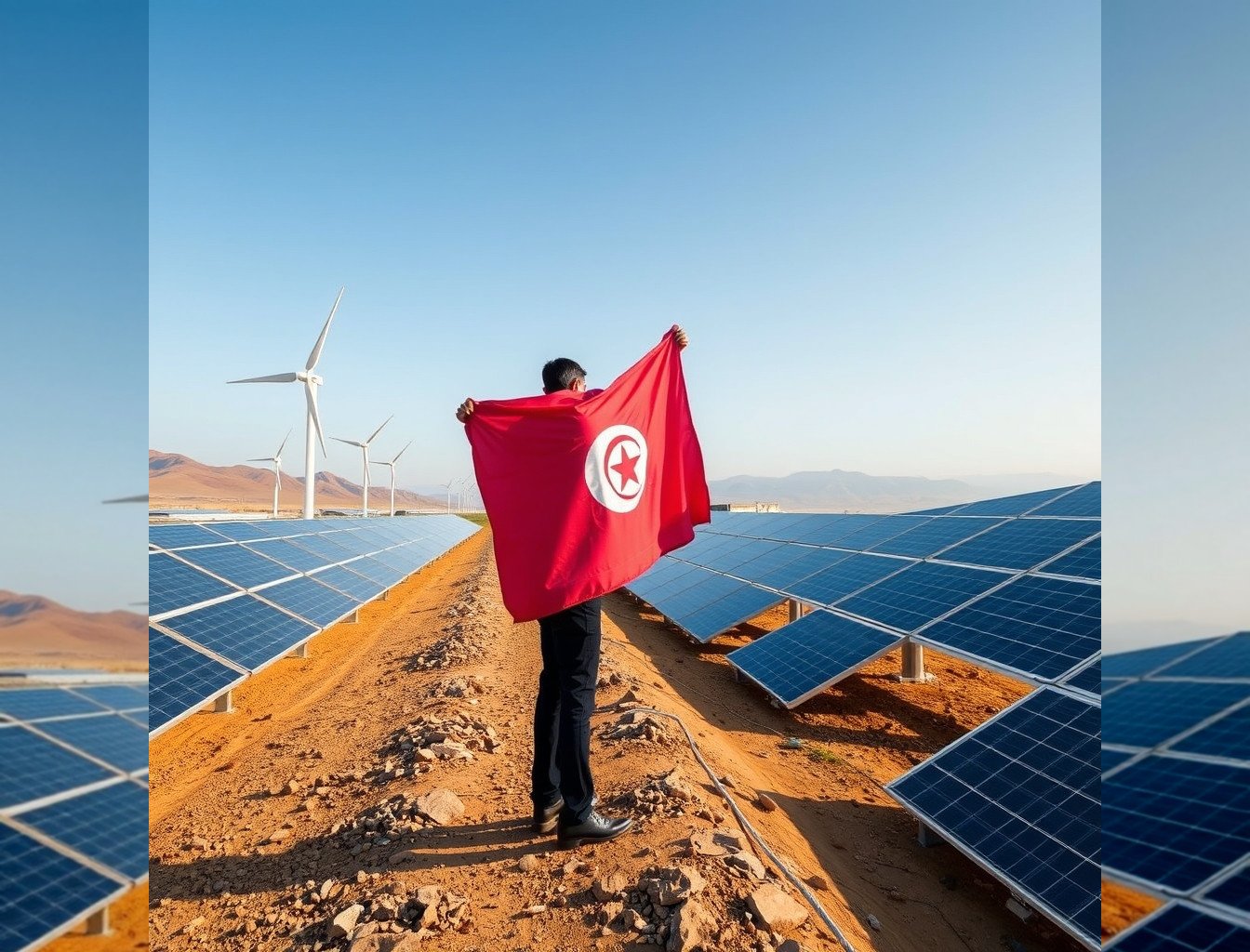
Algeria’s energy minister Mohamed Arkab announced this week a $60 billion investment plan spanning the next five years, marking the country’s largest financial commitment to its energy sector in decades. The plan, revealed in an interview with Reuters, targets both hydrocarbons and renewables, with a clear emphasis on solar and green hydrogen. For entrepreneurs and business founders, this signals a shift from a historically oil-dependent economy to a diversified energy powerhouse.
The $60 billion figure is nearly double the $35 billion allocated in the previous five-year energy plan, which ended in 2024. Arkab stated that 60% of the new funding will go toward hydrocarbons—primarily gas exploration and production—while the remaining 40% will be directed into renewable energy projects, including solar farms, wind installations, and the emerging green hydrogen sector. This allocation reflects Algeria’s dual strategy: maintaining its role as a key gas supplier to Europe while positioning itself as a future exporter of clean energy.
For entrepreneurs, the plan opens multiple entry points. The renewable energy segment alone is expected to create thousands of jobs and demand for local manufacturing, engineering, and logistics services. According to the Ministry of Energy and Mines, the government aims to install 15 gigawatts (GW) of renewable energy capacity by 2030, up from just 500 megawatts in 2023. Solar energy will dominate, with the vast Sahara Desert offering some of the highest solar irradiation levels in the world. This scale of development requires local partners in construction, maintenance, and grid integration—sectors where Algerian startups and SMEs can play a critical role.
The plan also includes infrastructure upgrades, such as expanding the national electricity grid and building new transmission lines to connect remote solar and wind projects. Entrepreneurs in smart grid technologies, battery storage, and energy efficiency solutions will find opportunities as Algeria modernizes its energy infrastructure. The government has indicated a preference for joint ventures with foreign firms, particularly in high-tech areas like hydrogen electrolysis and carbon capture, offering a pathway for Algerian businesses to access international expertise and financing.
Algeria’s push into green hydrogen is particularly notable. Earlier this year, the government unveiled a $25 billion national hydrogen strategy, aiming to produce 1 million tonnes per year by 2040 for export. The EU has already expressed strong interest, with European Commission President Ursula von der Leyen signing a strategic energy partnership with Algerian President Abdelmadjid Tebboune in February 2026. The agreement includes cooperation on hydrogen production, renewable energy development, and cross-Mediterranean energy infrastructure. For Algerian entrepreneurs, this means potential access to European markets and funding, particularly through the EU’s Global Gateway initiative, which has earmarked €300 billion for sustainable infrastructure projects worldwide.
However, challenges remain. While the $60 billion plan is ambitious, its success depends on attracting foreign investment and improving the business climate. Algeria’s bureaucracy, complex regulatory environment, and restrictions on foreign ownership have historically deterred investors. The government has taken steps to address these issues, including a new hydrocarbons law passed in 2022 that offers tax incentives and simplified procedures for renewable energy projects. Yet, entrepreneurs will need to navigate these reforms carefully, particularly in securing permits and accessing financing.
The Algerian diaspora is also a key player in this transition. Many Algerian-born professionals in Europe and North America have expertise in renewable energy, engineering, and project management. The government has launched initiatives to encourage diaspora investment, including tax breaks and streamlined procedures for returning entrepreneurs. For example, the “Algerian Talent” program, launched in 2023, offers grants and mentorship to Algerians abroad who want to start businesses in the energy sector. This could accelerate knowledge transfer and bring much-needed skills to Algeria’s growing clean energy industry.
Local content requirements are another factor entrepreneurs must consider. The government has mandated that renewable energy projects source at least 30% of their components locally, rising to 50% by 2030. This policy aims to boost domestic manufacturing but also creates opportunities for Algerian businesses to develop supply chains in solar panels, wind turbines, and battery storage. Startups that can produce high-quality, cost-competitive components will be well-positioned to win contracts in Algeria’s expanding renewable energy market.
The $60 billion plan is not just about energy—it’s about economic transformation. Algeria’s economy has long relied on hydrocarbons, which account for over 90% of export revenues. The new investment plan is designed to reduce this dependence by creating alternative revenue streams and jobs. For entrepreneurs, this means a growing market for services and technologies that support the energy transition. From legal and financial consulting to software development and training programs, the opportunities extend far beyond traditional energy sectors.
Key takeaway for entrepreneurs: Algeria’s $60 billion energy plan is a clear signal to invest in renewables and related industries. The government’s focus on solar, hydrogen, and grid modernization creates demand for local partners in manufacturing, engineering, and services. The EU partnership and diaspora incentives offer additional pathways for funding and expertise. However, success will require navigating regulatory hurdles and meeting local content requirements. Entrepreneurs who act now can position themselves at the forefront of Algeria’s energy transition.
Sources
- energy.ec.europa.eu
- Reuters
- megaproject.com
- Enerdata
- Climate Home News
💡 Starting a business in Algeria? GlobalStart guides you step by step: procedures, real costs, company forms (SARL, EURL, SPA) and CNRC registration.