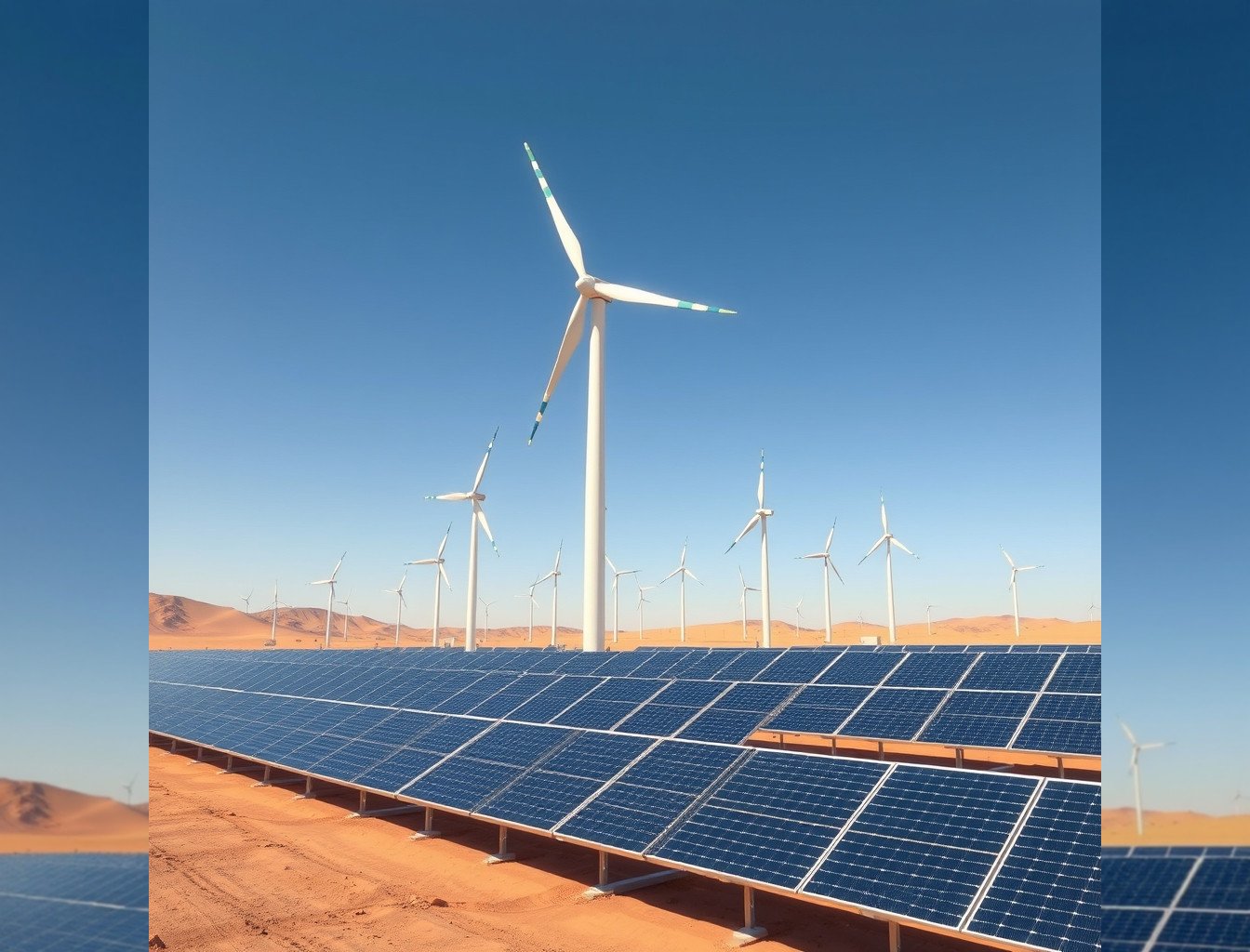
Saudi Arabia is rewriting the rules of global energy—while Algeria’s entrepreneurs and diaspora watch from the sidelines. A February 2026 deal between ACWA Power and Turkish firms to build two gigawatts of solar capacity in Sivas and Taşeli marks the latest step in Riyadh’s shift from oil dominance to long-term energy partnerships. For Algerian business leaders, this isn’t just a regional energy play—it’s a warning. If Algeria fails to capitalize on its own solar potential, it risks losing ground to Saudi-backed projects that could reshape North Africa’s energy map.
ACWA Power’s 5GW Ambition: A Blueprint for Algeria’s Missed Opportunity
The Turkish deal is part of a five-gigawatt framework—a scale that dwarfs Algeria’s current renewable energy commitments. ACWA Power, backed by Saudi Arabia’s Public Investment Fund (PIF), is positioning itself as a global player in solar and wind projects. With PIF holding a 44.16% stake in ACWA, the Saudi state is directly funneling capital into overseas energy infrastructure.
For Algerian entrepreneurs, this is a double-edged sword. On one hand, Saudi Arabia’s move signals a $100 billion+ renewable energy market opening up across the Mediterranean and Middle East. On the other, Algeria’s own solar potential—estimated at 22 gigawatts—remains largely untapped. While Saudi firms secure long-term contracts in Turkey, Algeria’s state-owned Sonatrach and private developers struggle with bureaucratic hurdles and financing gaps.
Aramco vs. ACWA: How Saudi Arabia’s Dual Strategy Undercuts Algerian Competitiveness
Saudi Arabia isn’t just betting on ACWA Power—it’s leveraging Aramco’s oil dominance to lock in energy partnerships. Aramco’s 81.48% government ownership and PIF’s 16% stake create a financial firewall that protects Saudi investments from market volatility. Meanwhile, Algeria’s energy sector remains fragmented, with Sonatrach controlling most assets and private players facing high risks.
For Algerian business founders, this means Saudi-backed firms are outpacing local competitors in securing foreign contracts. The Turkish solar deal, for example, includes infrastructure investments—a sector where Algerian companies like CEM (Compagnie d’Électrification du Maghreb) could have competed, had they moved faster. Instead, they’re watching as Saudi capital builds pipelines (literally and figuratively) across North Africa.
The Diaspora’s Role: Algerian Entrepreneurs Must Act Now
The Algerian diaspora—particularly in Europe and the Gulf—holds the key to bridging this gap. With $10 billion+ in remittances annually, Algerian expatriates have the capital to invest in renewable energy projects at home. Yet many remain hesitant, waiting for clearer government incentives or lower-risk opportunities.
Saudi Arabia’s strategy offers a model: state-backed financing through PIF and long-term project guarantees. Algeria’s 2026-2030 energy plan includes renewable targets, but without similar financial backing, local entrepreneurs risk being left behind. The Turkish solar deal proves that energy diplomacy isn’t just about oil anymore—it’s about solar farms, grid connections, and infrastructure control.
Key takeaway for entrepreneurs
Algeria’s solar potential is real, but Saudi Arabia’s aggressive energy investments are stealing the spotlight. Entrepreneurs must push for clearer government support and diaspora-led financing to compete—or risk watching foreign firms dominate North Africa’s energy transition. The clock is ticking.
Sources
💡 Starting a business in Algeria? GlobalStart guides you step by step: procedures, real costs, company forms (SARL, EURL, SPA) and CNRC registration.